
Introduction
Last week, we published the five most common questions European customers ask about heat pumps. This week, we turn our attention to North America.
The North American market has its own distinct concerns — from Canada's extreme cold to the complex patchwork of U.S. rebate programs, and from the growing popularity of geothermal systems to the reality that a poorly installed premium unit can perform worse than a well-installed mid-range system.
Here are the five most frequently asked questions from our North American customers, based on real conversations across the U.S. and Canada.
Question 1: "Will It Work in -25°C or Colder?"
This is the number one question from Canadian customers and from homeowners in northern U.S. states like Minnesota, Wisconsin, and New York.
The short answer: Not all heat pumps are created equal. Standard models lose capacity below -10°C. But cold-climate heat pumps are specific
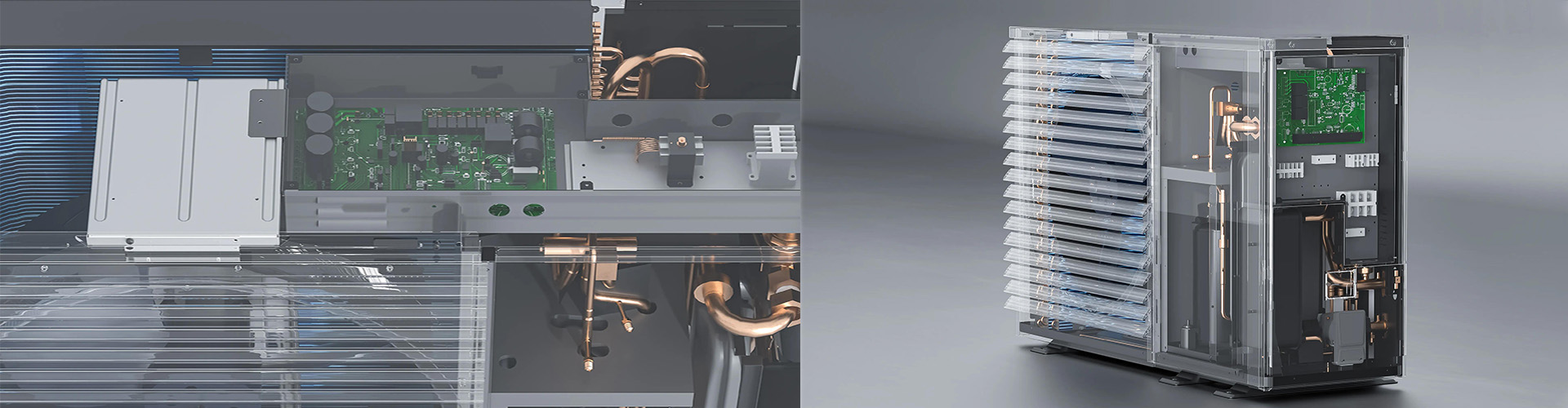
ally designed for extreme winters. Our units operate reliably at temperatures as low as -25°C, with some models handling even lower.
The longer explanation: A common misconception is that heat pumps "don't work in the cold." In reality, heat pumps have been widely adopted in Scandinavia — which has similar winter conditions to Canada. The key is choosing the right model.
In Québec, Daikin recommends that buyers prioritize low-ambient models rated for -25°C to -30°C with inverter technology. Without this, the unit will lose capacity in deep cold and rely heavily on expensive electric backup heat.
What to ask your supplier:
"What is the heating capacity at -15°C, -20°C, and -25°C?" — get the actual performance curve, not just a single COP number
"Is this unit certified as a cold-climate heat pump?"
"Does it require backup heating, and how will that affect my operating costs?"
Question 2: "How Do I Know If It's the Right Size?"
Oversizing or undersizing a heat pump is one of the most common mistakes in North America.
The short answer: You don't guess. A qualified contractor should perform a Manual J load calculation — a detailed assessment of your home's heating and cooling needs.
The longer explanation: According to American Standard, "the only way to know for sure is to have a load calculation performed on your home." The calculation takes into account square footage, insulation levels, window types, local weather patterns, and design temperatures.
A system that is too small will run continuously and struggle to maintain temperature. A system that is too large will short-cycle, leading to poor dehumidification, temperature swings, and premature compressor wear.
What to ask your contractor:
"Will you perform a Manual J load calculation before recommending a system?"
"Can you show me the load calculation results?"
Question 3: "What Rebates and Incentives Are Available?"
This is the question North American buyers ask most — and with good reason. Rebates can cover 30% to 100% of costs.
The short answer: Substantial incentives are available at federal, state, and provincial levels. The U.S. federal tax credit covers up to 30% of heat pump costs, and some states offer even more generous support.
The longer explanation: North America has a complex patchwork of incentives.
In the U.S.:
Federal tax credits for heat pumps: up to 30% of costs
Nine states have committed to 65% heat pump penetration by 2030 and 90% by 2040
New England states launched a $450 million Heat Pump Accelerator program
In Canada:
CleanBC program: enhanced rebates covering up to 100% of upgrade costs
Hydro-Québec's LogisVert program: rebates for energy-efficient heat pumps
Federal Greener Homes initiative: ongoing rebates
What to ask your supplier:
"Which rebates and tax credits apply to my project?"
"Will you help me apply for them?"
Question 4: "What About Installation Quality?"
This question is rising fast as more homeowners adopt heat pumps and then experience preventable issues.
The short answer: Installation quality matters more than the brand. A poorly installed premium system will perform worse than a well-installed mid-range system.
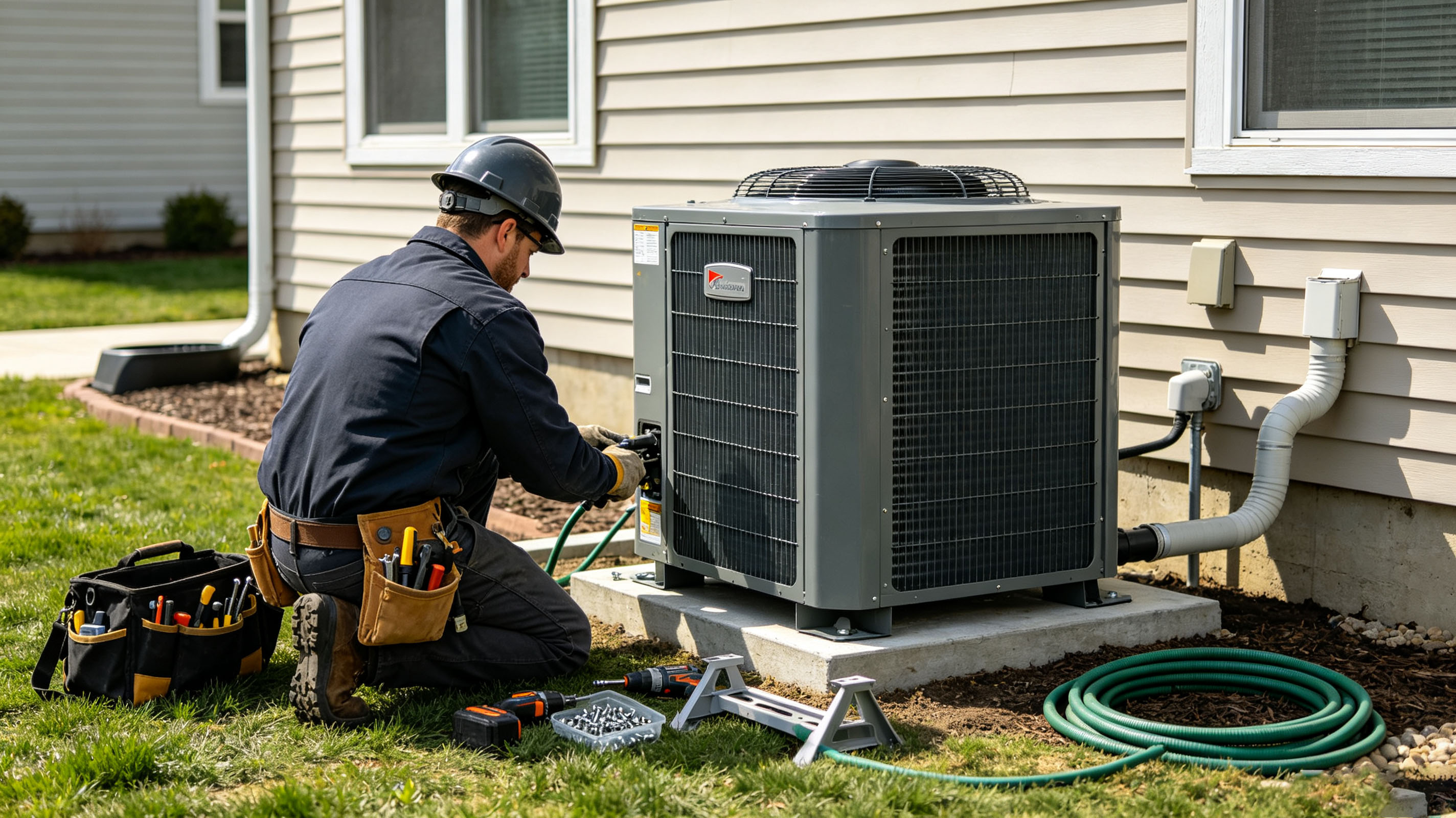
The longer explanation: Common problems include improper sizing, poor outdoor unit placement (too close to walls or near bedroom windows), and refrigerant leaks. The industry lacks sufficient trained professionals, which is why working with certified contractors is essential.
What to ask your contractor:
"Are you certified and registered with the rebate program?"
"Can you provide references from recent installations?"
"Will you perform a commissioning report after installation?"
Question 5: "Geothermal vs. Air Source — Which Is Better?"
This is a common question for U.S. buyers, particularly in states where the federal Investment Tax Credit applies to geothermal systems.
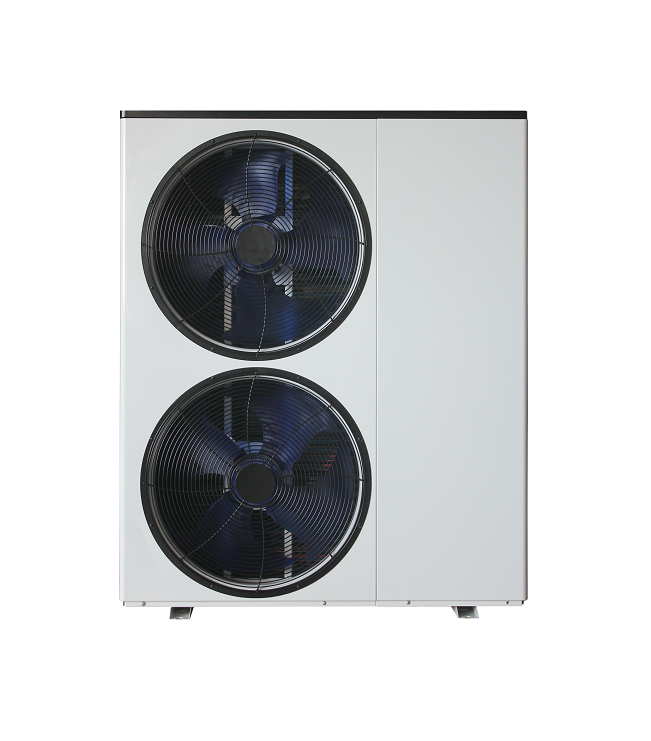
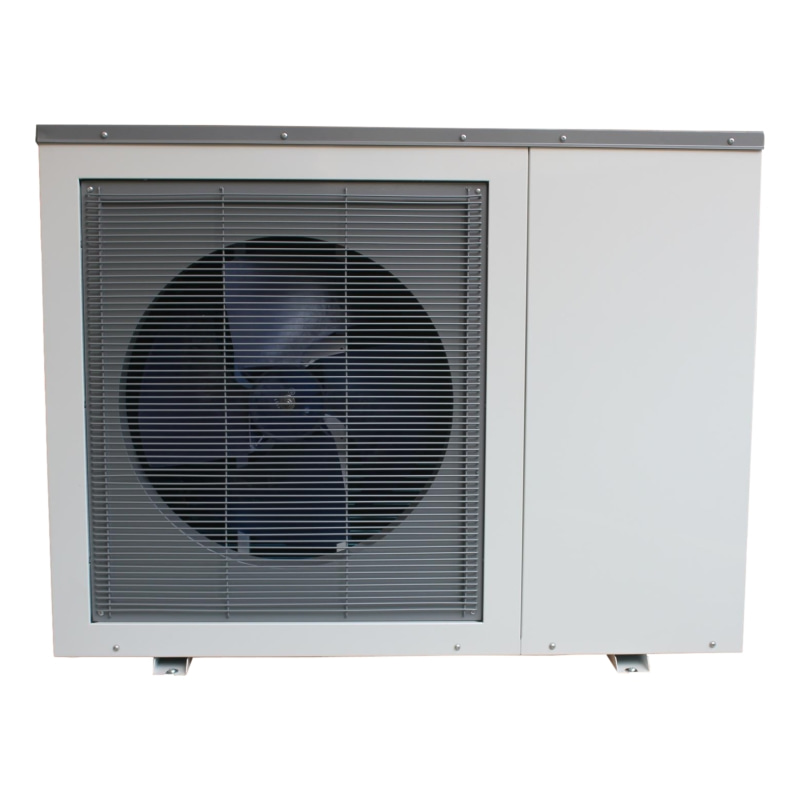
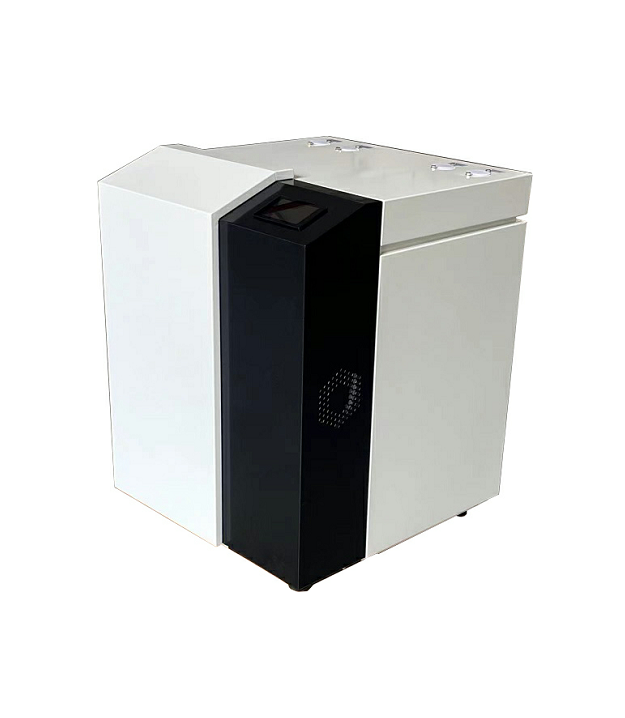
The short answer: Both are excellent. Air source is easier, cheaper, and more common. Geothermal is more efficient but requires higher upfront investment and specific site conditions.
The longer explanation: Air source heat pumps held 88% of the North American residential market in 2025. They are gaining traction due to dual functionality (heating and cooling), easy installation, and lower cost. Geothermal systems use the constant temperatures found in the subsurface and work in all 50 states, but borehole construction can account for 50-70% of the total upfront cost.
What to ask:
"Does my property have suitable conditions for a geothermal system?"
"What is the installed cost difference between air source and geothermal?"
"What is the payback period for each option?"