FOSHAN SUOHER ELECTRICAL APPLIANCE CO., LTD
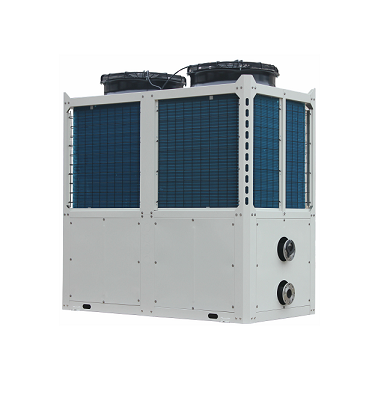
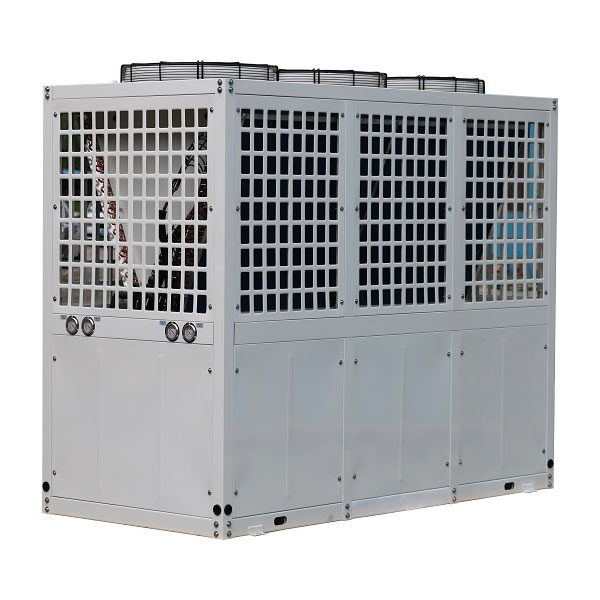
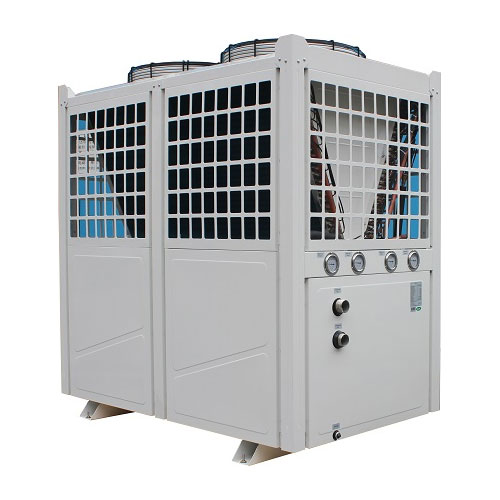
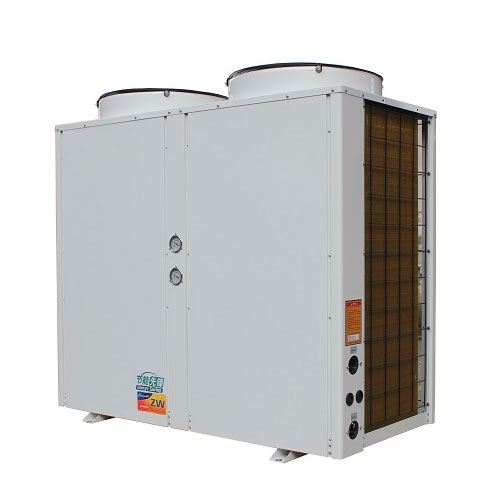
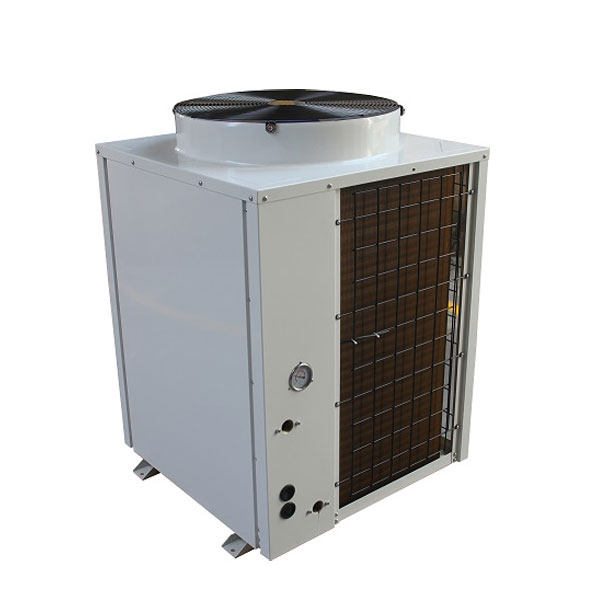
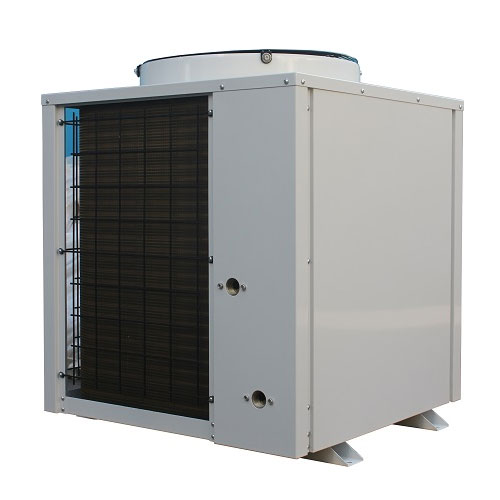
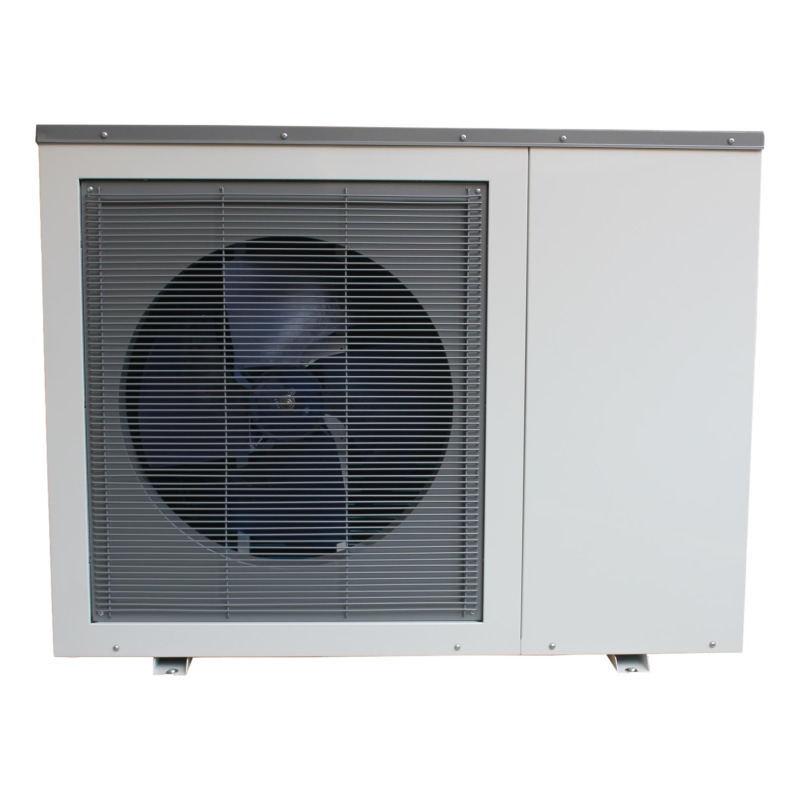
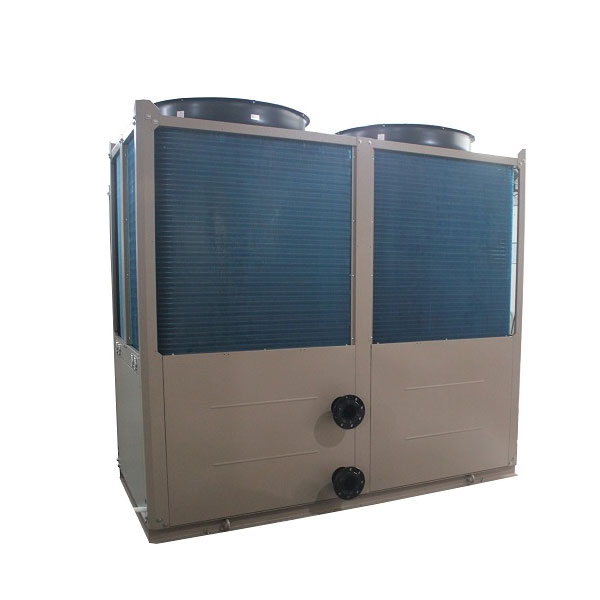
Vertical Air to Water Heat Pump (110kW-140kW)
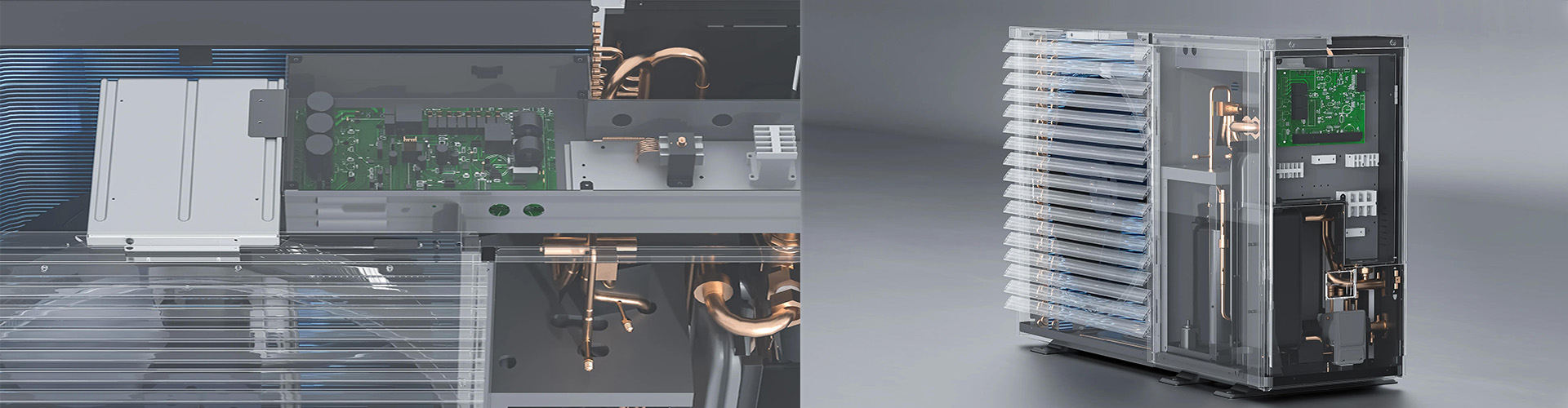
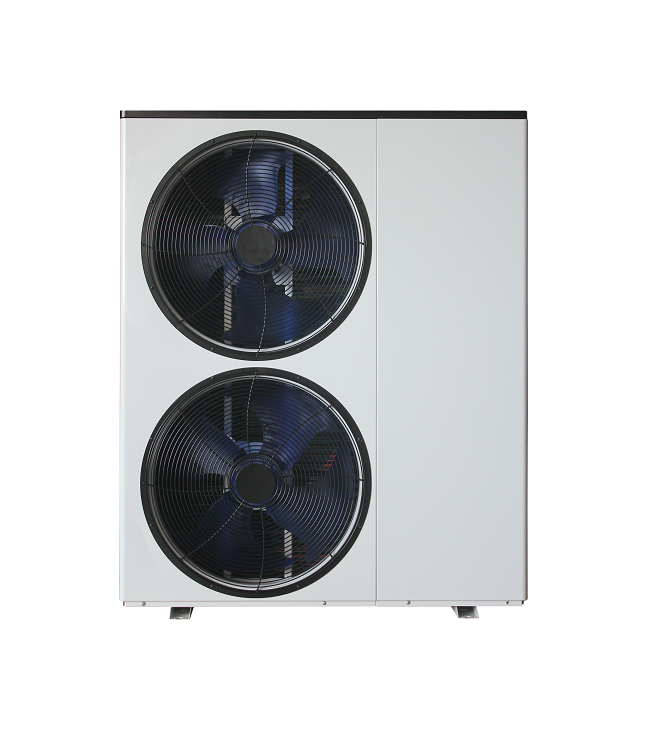
The combination of two super large fans and four compressors makes the heat exchange speed of the 140kw model very fast. Two large fans have powerful power, greatly improving the efficiency of heat exchange. Incredibly powerful heating capacity, which can output powerful heat in cold seasons.
This is the most powerful model in the air source heat pump series, which can meet most needs.
Suitable for: construction site, hospital, school, factory, dormitory, etc.
The fundamental distinction between Air-to-Water Heat Pumps (air-water heat pumps) and Air Heat Pump Hot Water Systems (air heat pump water heaters) lies in their system design, functional priorities, and application scenarios. The core differences are as follows: Air-to-Water Heat Pumps prioritize heating as their primary function, prioritizing domestic heating needs while also providing cooling and hot water supply. Their system components (such as compressors and heat exchangers) are optimized for low-temperature environments, making them suitable for year-round use in cold regions. Air Heat Pump Hot Water Systems are specifically designed for hot water production, emphasizing efficient domestic hot water generation. They typically lack cooling functionality, feature simplified structures, and are more cost-effective.
The Air-to-Water Heat Pump features a split configuration (outdoor unit + indoor water tank), some called air source heat pump, using antifreeze or water circulation for freeze protection. It supports operation below-30℃, with some models capable of producing 75℃ hot water. Air Heat Pump Hot Water systems are typically integrated designs that rely on direct air-to-water heat exchange. Their low-temperature performance is limited (usually suitable for environments above-15℃), and the hot water temperature generally does not exceed 60℃.
Energy efficiency differs from application scenarios. Air-to-Water Heat Pumps boast higher COP (Coefficient of Performance), with minimal efficiency loss in low-temperature environments (maintaining over 2.0 even at-20°C), making them ideal for villas and hotels requiring both heating and hot water. Air Heat Pump Hot Water systems demonstrate exceptional efficiency in mild climates (COP exceeding 4.0), though their performance plummets in cold conditions, making them more suitable for southern residential or commercial hot water needs.
Air-to-Water Heat Pumps predominantly employ full-frequency technology (compressor, pump, and fan all variable frequency), supporting intelligent temperature control and remote management. Some models integrate underfloor heating or pool heating functions. In contrast, Air Heat Pump Hot Water systems mainly use fixed-frequency or semi-variable frequency technology, offering simpler functionality but easier installation and maintenance. For applications requiring combined heating, cooling, and high-temperature hot water, Air-to-Water Heat Pumps are the preferred choice. For scenarios needing only efficient hot water supply in mild climates, Air Heat Pump Hot Water systems provide better cost-effectiveness.
ISO9001 certification
ISO 9001 is transformed from the world's first quality management system standard BS 5750 (written by BSI), ISO 9001 is by far the most mature quality framework in the world, and more than 750,000 organizations in 161 countries/regions use this framework. ISO 9001 sets the standard not only for the quality management system, but also for the overall management system. It helps organizations of all types achieve success through improved customer satisfaction, increased employee motivation, and continuous improvement.