
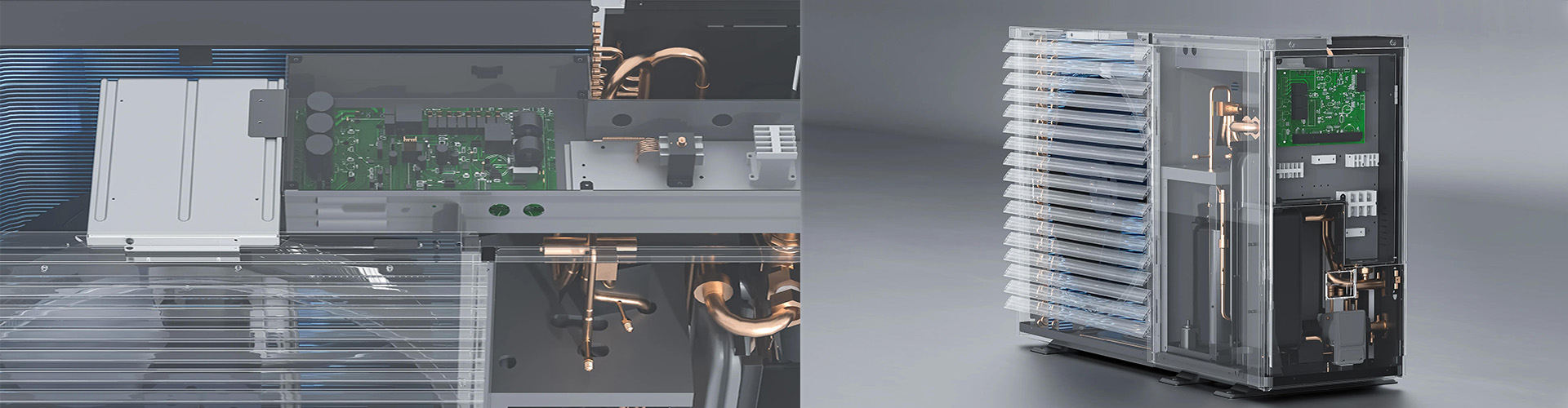
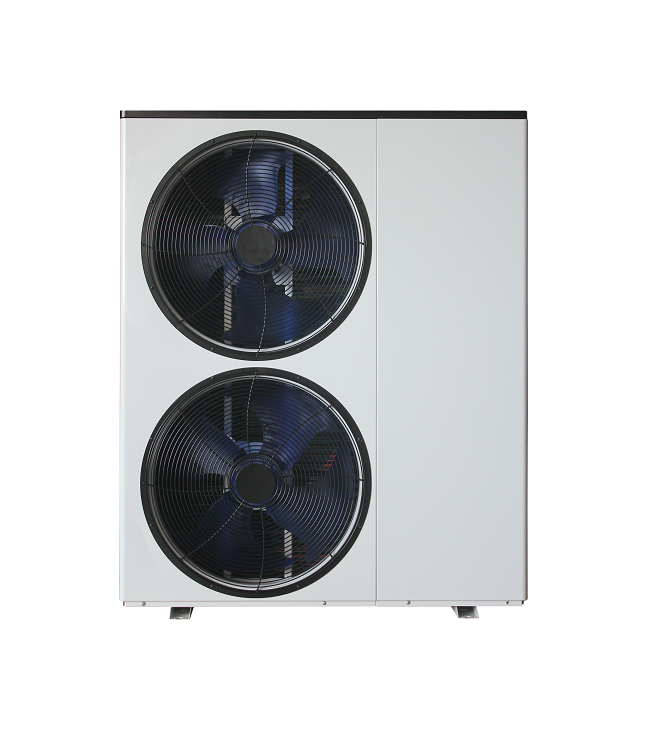
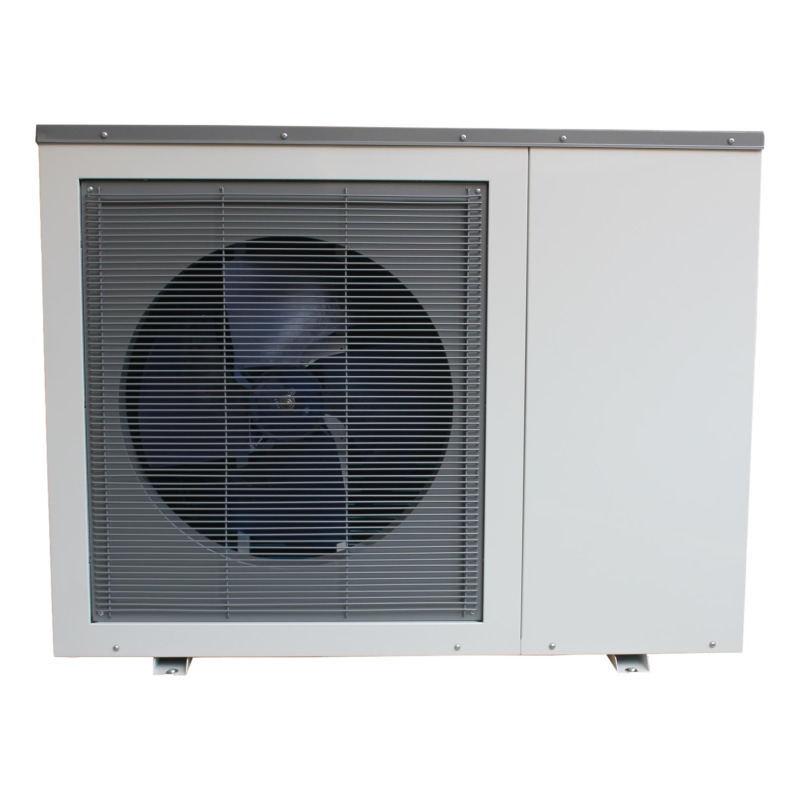
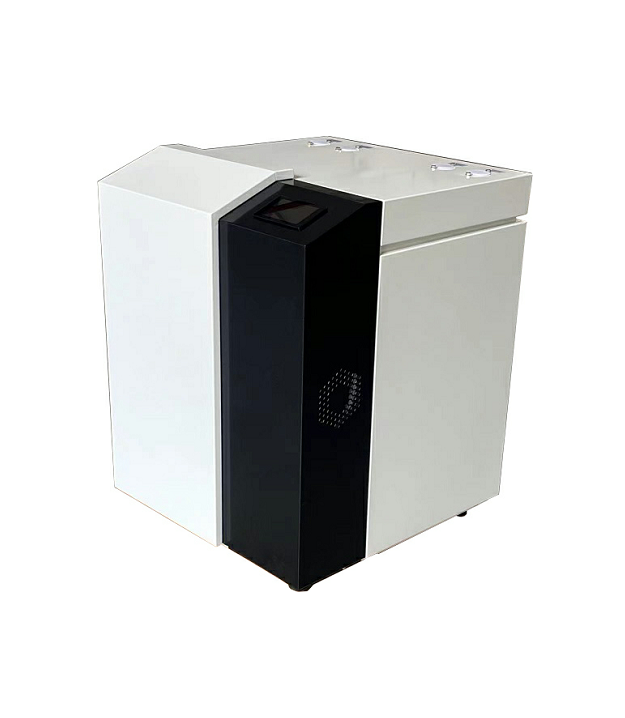
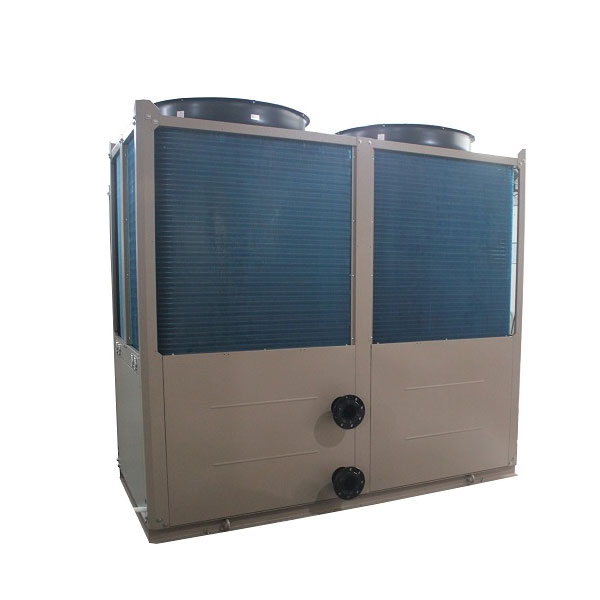
The industrial sector faces immense pressure to decarbonize, yet many processes still rely on fossil fuels for heat. Could high temperature heat pumps be the missing piece in your decarbonization puzzle? The answer is a resounding yes. Imagine a food processing plant in Germany that needs 150°C steam for sterilization. Traditionally, this requires natural gas boilers emitting tons of CO2. But with a high temperature heat pump from FOSHAN SUOHER ELECTRICAL APPLIANCE CO., LTD, that same plant can now generate steam using recovered waste heat, slashing emissions by 70% and energy costs by 40%. This is not a futuristic dream—it's happening today.
Let's dive into the real-world pain points that make this technology essential.
Pain Point 1: Escalating Carbon Taxes and Regulatory Pressure
In the EU, emission trading system (ETS) carbon prices have surged past €100 per ton. A chemical plant in the Netherlands, for example, faces annual carbon costs of €2 million for its steam boilers. This financial burden is unsustainable, and tightening regulations threaten operational licenses. The cost of inaction is not just financial—it's existential.
Pain Point 2: Volatile Energy Prices and Supply Insecurity
A paper mill in Finland relies on natural gas for drying, but geopolitical tensions have caused gas prices to spike by 300% in two years. The mill's energy costs have skyrocketed, eroding profit margins by 15%. Additionally, supply disruptions force production halts, costing €500,000 per day in lost revenue. The need for energy independence is critical.
Pain Point 3: Waste Heat Underutilization
A steel plant in the US discards 40% of its energy as low-grade waste heat (80-100°C). This heat is too low for most processes but can be upgraded by high temperature heat pumps to 120-160°C for preheating or steam generation. Currently, that waste heat is simply vented, representing a loss of $1.2 million annually in energy value.
Solutions: How High Temperature Heat Pumps Address Each Pain Point
For carbon taxes, FOSHAN SUOHER's heat pumps deliver COP (Coefficient of Performance) of 3.5-5.0 at 120-160°C output, meaning for every kWh of electricity, you get 3.5-5 kWh of heat. This reduces CO2 emissions by up to 80% compared to natural gas boilers, directly cutting carbon tax liabilities. The pumps use R-245fa or R-1336mzz(Z) refrigerants, which have zero ODP and low GWP, aligning with EU F-Gas regulations.
To combat energy price volatility, these heat pumps can integrate with on-site renewables like solar PV or wind. During peak gas prices, the heat pump runs on cheaper renewable electricity, providing a hedge. FOSHAN SUOHER's units are modular, allowing incremental capacity expansion as budgets allow. The payback period is typically 2-4 years in regions with high gas-to-electricity price ratios.
For waste heat utilization, FOSHAN SUOHER offers custom-designed heat pump systems that upgrade waste heat from 80-100°C to 150-180°C. The system includes a preheater, compressor, and condenser, with controls to optimize performance. In the steel plant example, recovering waste heat with a 2 MW heat pump saves $800,000 annually in fuel costs, with a 3-year ROI.
Customer Case Studies
Case 1: ChemCorp, Germany – A specialty chemicals manufacturer installed a 5 MW high temperature heat pump from FOSHAN SUOHER to replace a gas boiler for 150°C steam. Result: 73% reduction in CO2 emissions, energy cost savings of €1.2 million per year. Operations Director Klaus Mueller says: "This heat pump not only met our decarbonization targets ahead of schedule but also stabilized our energy costs against volatile gas prices."
Case 2: Nordic Paper, Finland – A paper mill used a 3 MW heat pump to upgrade waste heat from its drying process to 130°C for district heating. Result: 60% reduction in purchased energy, saving €900,000 annually. Energy Manager Liisa Virtanen comments: "The heat pump turned our waste heat into a revenue stream. We now sell excess heat to the local district heating network."
Case 3: Texas Steel, USA – A steel plant integrated a 2 MW heat pump to recover heat from cooling water at 90°C and upgrade to 160°C for preheating furnace feed. Result: 15% reduction in natural gas consumption, saving $500,000 per year. Plant Engineer John Davis says: "The heat pump paid for itself in 2.5 years. It's a no-brainer for any heavy industry with waste heat."
Case 4: AgroFood, Netherlands – A food processing facility installed a 1 MW heat pump for 120°C hot water used in cleaning and sterilization. Result: 80% reduction in gas use, €300,000 annual savings. Sustainability Manager Anna van der Berg notes: "The heat pump helped us achieve BREEAM Excellent certification and improved our brand image."
Case 5: PharmaTech, Switzerland – A pharmaceutical company used a 500 kW heat pump for 140°C steam in autoclaves. Result: 90% reduction in CO2 emissions, compliance with Swiss CO2 law. Technical Director Dr. Hans Weber states: "The heat pump's precise temperature control improved our sterilization consistency."
Applications & Partnerships
High temperature heat pumps are ideal for industries requiring heat up to 180°C: chemical processing (distillation, evaporation), food & beverage (sterilization, drying), pulp & paper (drying, black liquor concentration), pharmaceuticals (autoclaving, clean steam), and district heating. FOSHAN SUOHER partners with leading engineering firms like Siemens and ABB for system integration, and has supply agreements with European distributors such as Viessmann and Daikin. Our heat pumps comply with ASME, PED, and CE standards, ensuring global applicability.
FAQ
Q1: What is the maximum output temperature of your heat pumps?
A: Our standard models achieve up to 160°C, with custom designs reaching 180°C using advanced compressors and refrigerants. For temperatures above 180°C, we recommend a hybrid system with a booster heater.
Q2: How does the COP vary with temperature lift?
A: At a 50°C lift (e.g., 80°C source to 130°C sink), COP is typically 4.5. At a 80°C lift (e.g., 80°C to 160°C), COP drops to 3.0. We provide detailed performance curves for each application.
Q3: What refrigerants are used, and are they environmentally friendly?
A: We use R-245fa (GWP 950) and R-1336mzz(Z) (GWP 2). Both have zero ODP and comply with EU F-Gas phase-down. For new installations, we recommend R-1336mzz(Z) due to its ultra-low GWP.
Q4: What is the typical payback period?
A: Depending on energy prices and incentives, payback ranges from 2 to 5 years. In regions with high gas prices and subsidies (e.g., Germany's BAFA), payback can be under 2 years.
Q5: Can the heat pump be integrated with existing steam systems?
A: Yes, we offer retrofit packages that include a heat pump, heat exchanger, and control system to feed into existing steam headers. Our team conducts a site audit to ensure seamless integration.
Conclusion & Call to Action
High temperature heat pumps are no longer a niche technology—they are a proven, cost-effective solution for industrial decarbonization. By upgrading waste heat and leveraging renewable electricity, you can slash emissions, reduce energy costs, and future-proof your operations. Don't let carbon taxes and volatile energy prices erode your competitiveness. Download our technical white paper "Industrial Heat Pump Systems for 120-180°C Applications" to learn more, or contact our sales engineers at FOSHAN SUOHER for a free feasibility assessment.