
Introduction: What European Buyers Really Want to Know
Selling heat pumps to European customers is different from selling to other markets.
European buyers are well-informed. They have access to government subsidies, energy performance standards, and a growing body of independent consumer research. They ask detailed questions — and they expect detailed answers.
Based on our conversations with customers across Germany, the UK, France, and the Nordics, we have compiled the five most frequently asked questions about heat pumps.
This article answers each one — and explains what you should look for when choosing a heat pump for your European project.
Question 1: "Will It Work When It's Really Cold?"
This is the most common concern among European buyers, and it is understandable. Many homeowners remember early-generation heat pumps that struggled in freezing weather.
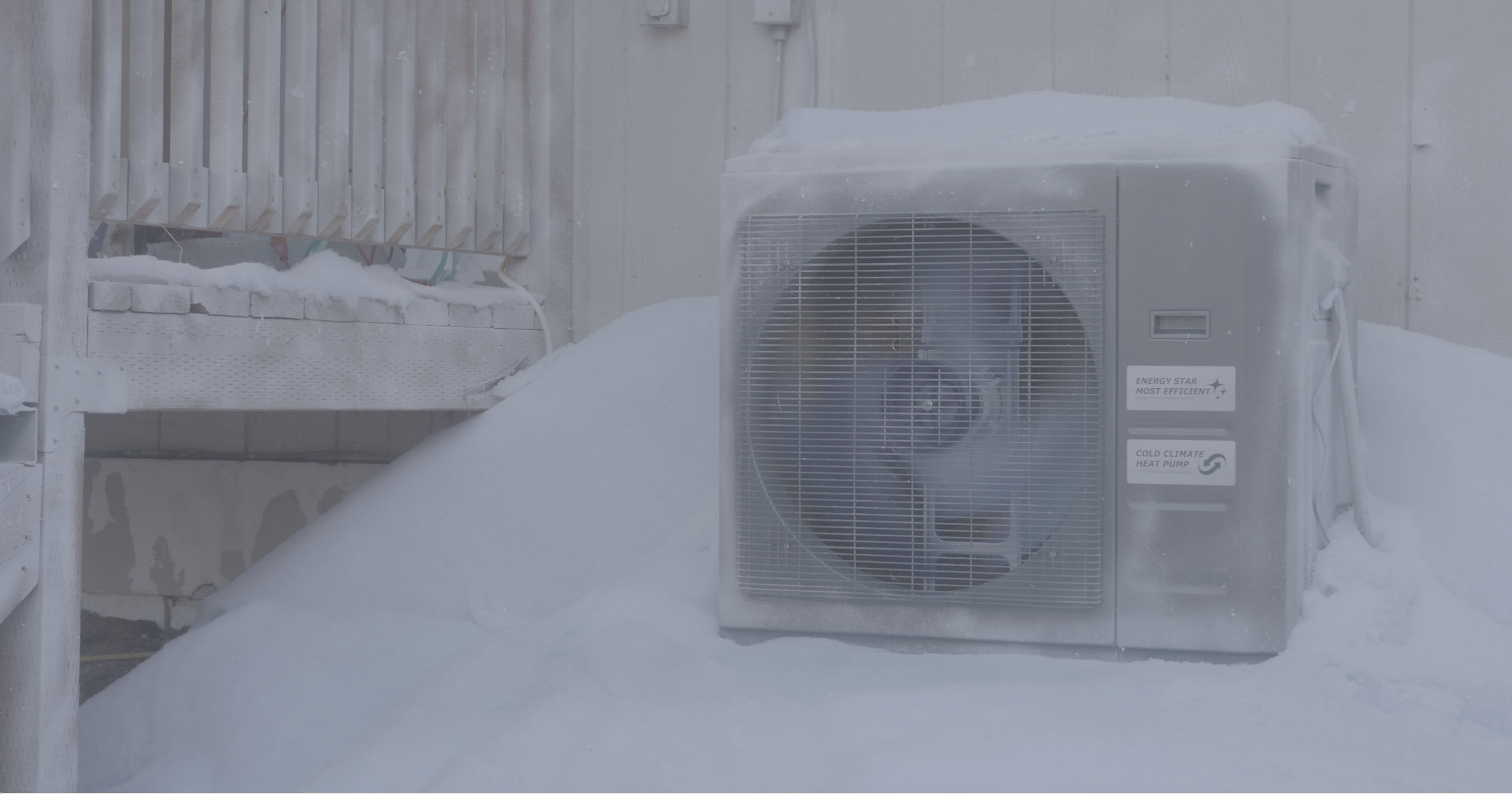
The short answer: Modern air source heat pumps are designed for cold climates. Our units operate reliably at temperatures as low as -25°C — covering more than 95% of European residential projects.
The longer explanation: The Nordic countries have some of the highest heat pump adoption rates in Europe. If heat pumps did not work in cold weather, they would not be so popular in Finland, Norway, and Sweden.
The key is choosing a unit designed for your specific climate. Units tested only in mild conditions may struggle in a German or Polish winter. Look for verified low-temperature performance data — not just marketing claims.
What to ask your supplier:
What is the COP at -15°C, -20°C, and -25°C?
Has the unit been independently tested at low temperatures?
Is backup heating required, or does the unit handle the full load?
Question 2: "Why Is My Actual Electricity Bill Higher Than the COP Suggested?"
European buyers are increasingly savvy about efficiency ratings. Many have learned the hard way that the COP on a datasheet does not always match real-world performance.
The short answer: COP is measured under ideal laboratory conditions (typically +7°C). Your actual electricity consumption depends on outside temperature, system design, and how the unit is operated.
The longer explanation: A unit with a COP of 4.5 at +7°C may drop to 2.5 at -15°C. That is not a defect — it is physics. The real-world performance of a heat pump is better reflected by SCOP (Seasonal Coefficient of Performance), which accounts for seasonal temperature variations across an entire heating season.
What to look for:
Ask for the SCOP rating, not just the COP at a single temperature
Request performance curves showing COP across a range of temperatures
Compare seasonal efficiency, not peak efficiency
Question 3: "Is the Unit Noisy?"
Noise is a sensitive topic in Europe. Many residential areas have strict noise regulations, and complaints from neighbours are not uncommon.
The short answer: Modern heat pumps are significantly quieter than older models, but noise levels vary by unit type, size, and installation quality. Our units meet European noise standards, with sound power levels clearly stated in the product specifications.
The longer explanation: A BEUC consumer survey found that some heat pump users reported higher-than-expected noise levels. However, the same survey noted that many noise issues were related to installation quality — not the unit itself.
A well-designed system placed on a stable base, away from bedroom windows, and fitted with vibration-dampening mounts can run with minimal disturbance.
Question 4: "Is It Worth the Upfront Cost?"
This is the biggest barrier to adoption across Europe. Heat pumps cost significantly more to install than gas boilers — and many buyers need reassurance that the investment will pay off.
The short answer: Yes, but only if you look at total lifetime cost, not just the purchase price. The upfront cost is higher, but the operating cost is much lower.
The longer explanation: European Consumer Organisation (BEUC) research confirms that upfront cost is the top barrier. However, a 2026 report from the International Journal of Sustainable Energy found that across 17 European countries, heat pumps are now cheaper to operate than gas boilers in almost every market.
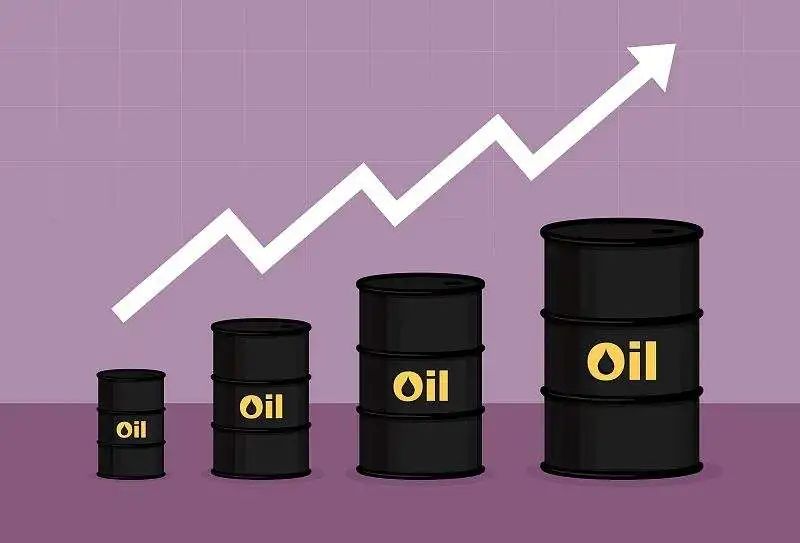
Recent energy price volatility has only strengthened this case. Meanwhile, subsidies have made the upfront cost more manageable:
Germany: up to 70% coverage
United Kingdom: £9,000 grant for rural homes
Italy: up to 65% of costs recoverable
A buyer who focuses only on the purchase price will often spend more in total over the lifetime of the system.
What to consider:
Factor in subsidies — they can reduce upfront costs by 30% or more
Calculate payback period — not just upfront savings
Account for rising gas prices — natural gas is volatile; electricity is more stable