
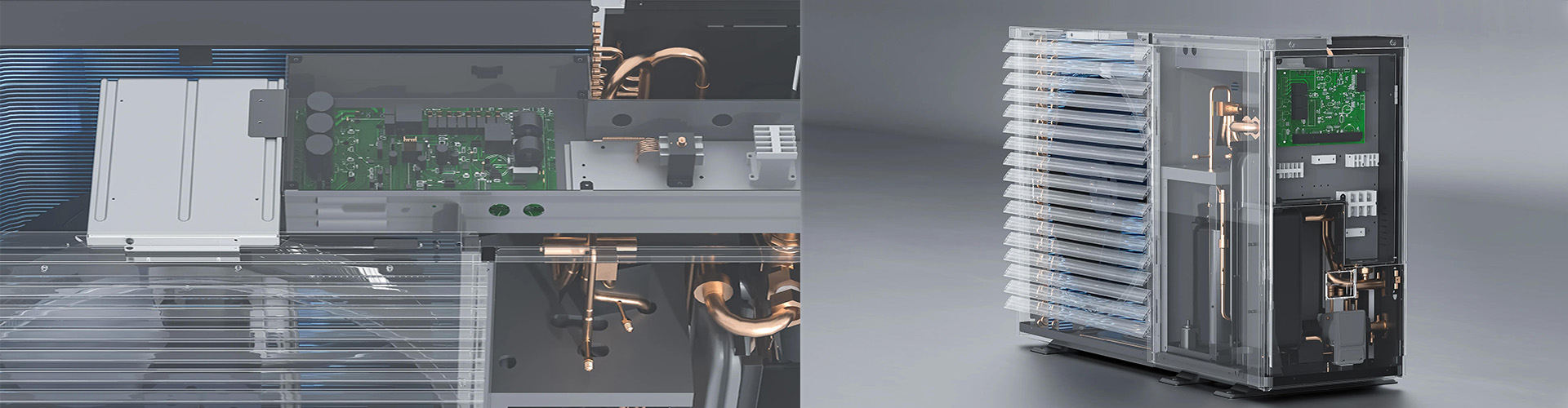
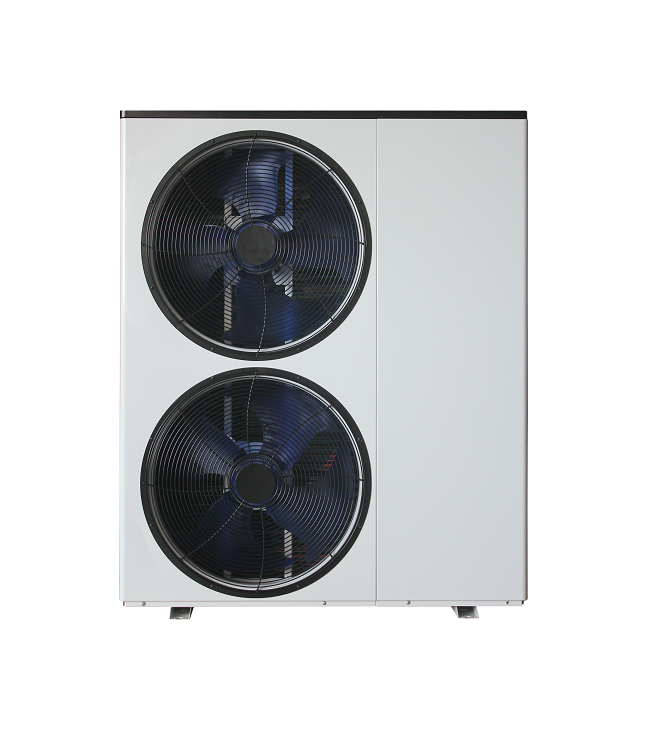
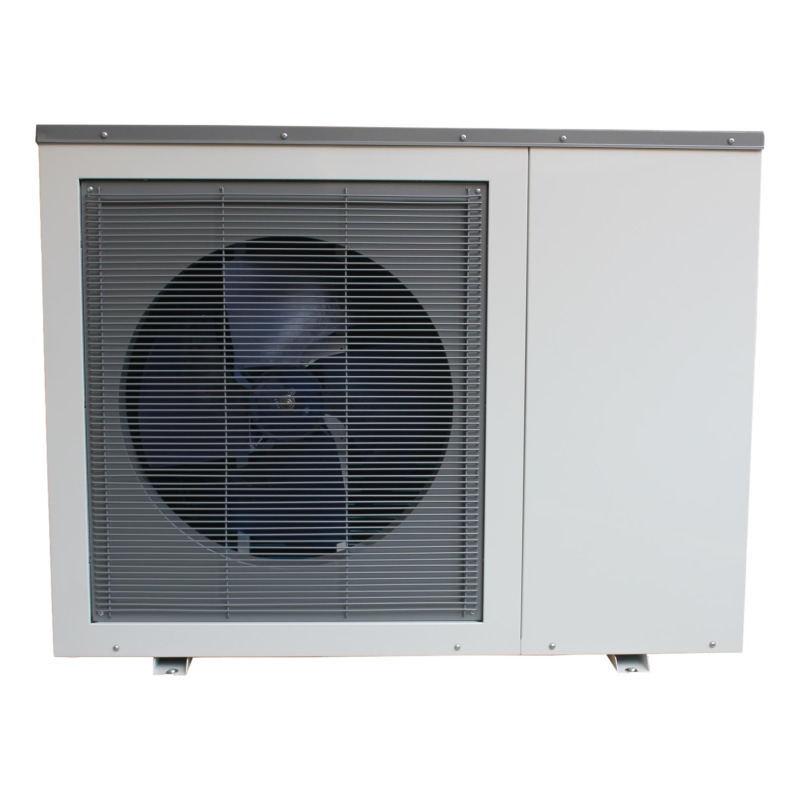
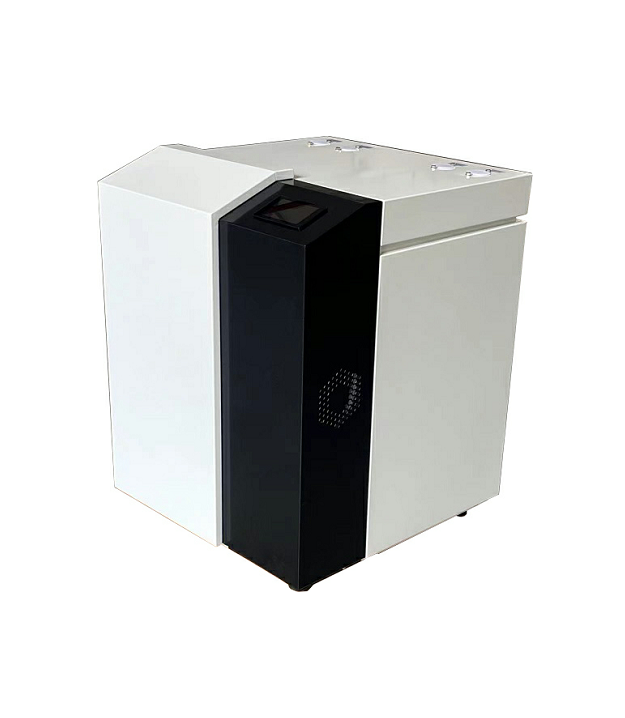
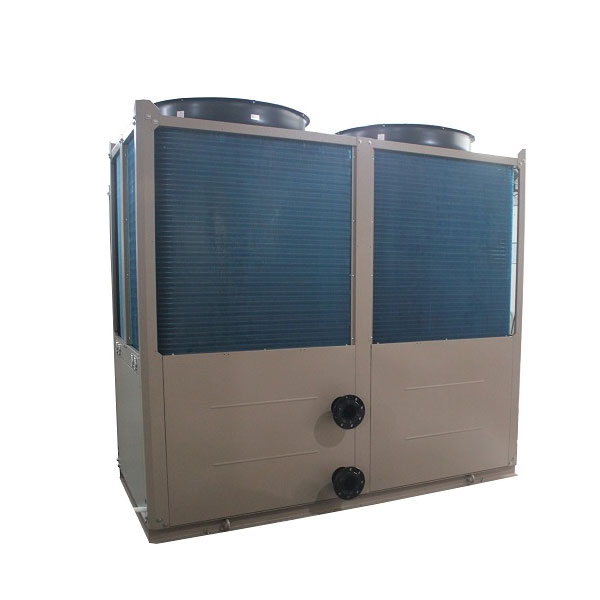
Have you ever wondered why your house heating heat pump seems to struggle during the coldest months, leaving you with high energy bills and uneven warmth? You are not alone. Many homeowners and facility managers face this exact issue. The answer often lies not in the technology itself, but in how it is applied. A heat pump is a marvel of thermodynamics, but its performance hinges on correct sizing, proper installation, and ongoing maintenance. In this article, we at FOSHAN SUOHER ELECTRICAL APPLIANCE CO., LTD will demystify the common pitfalls and provide actionable solutions to unlock your system's full potential.
Pain Point 1: Oversizing and Short Cycling
Imagine a system that turns on and off every few minutes, never reaching steady state. This is short cycling, often caused by an oversized heat pump. A unit too large for the space heats too quickly, then shuts off, wasting energy and causing wear. In a 2,000 sq ft home in Chicago, an oversized 5-ton unit might cycle 10 times per hour, increasing electricity consumption by 20% and reducing compressor life by half. The cost? An extra $300 per year in utility bills and a replacement in 8 years instead of 15.
Pain Point 2: Poor Installation Practices
Even a perfectly sized heat pump can fail if installed without care. Common issues include incorrect refrigerant charge, leaky ductwork, and improper placement of outdoor units. A study by the U.S. Department of Energy found that 50% of heat pumps have significant installation errors. For a commercial building in Berlin, a poorly installed 10-ton unit resulted in 15% lower efficiency, costing €1,200 extra annually. Moreover, the noise from an unbalanced outdoor unit disturbed neighboring offices, leading to complaints.
Pain Point 3: Neglected Maintenance
Heat pumps require regular filter changes, coil cleaning, and refrigerant checks. A unit in a dusty environment, like a farm in Nebraska, can see its efficiency drop by 25% in one season due to dirty coils. The result: a 30% increase in runtime and a $400 higher electricity bill. Worse, neglected maintenance can void warranties and lead to premature failure.
Solution 1: Proper Sizing with Load Calculations
To avoid oversizing, always perform a Manual J load calculation or equivalent. This accounts for insulation, windows, climate, and occupancy. At FOSHAN SUOHER, we recommend using software like Wrightsoft to model the exact heat loss. For the Chicago home, a correctly sized 3-ton unit would cycle 3-4 times per hour, saving $300 annually and extending lifespan to 15 years.
Solution 2: Certified Installation Standards
Follow industry standards like ACCA's Quality Installation (QI) specification. Ensure proper refrigerant charge using subcooling/superheat methods, seal ducts with mastic, and mount outdoor units on vibration isolators. In Berlin, a certified installer corrected the charge and duct leaks, boosting efficiency by 12% and reducing noise. The client saved €1,000 per year.
Solution 3: Preventive Maintenance Programs
Implement a schedule: change filters monthly, clean coils annually, and check refrigerant every two years. For the Nebraska farm, enrolling in a maintenance plan improved efficiency by 20%, saving $320 per year. The unit now runs reliably with a 12-year warranty.
Customer Success Stories
1. John from Minnesota, USA: John's 2,500 sq ft home had a 4-ton unit that short cycled. After a load calculation, we installed a 3-ton model. His energy bill dropped from $2,400 to $1,800 per year. John said, "The house is finally comfortable, and my wallet thanks you."
2. Anna in Stockholm, Sweden: Anna's 1,800 sq ft apartment had poor ductwork. Our team sealed the ducts and optimized airflow. Heating costs fell by 25%, from €1,600 to €1,200. Anna remarked, "It's amazing what proper installation can do. I recommend SUOHER to everyone."
3. Herr Müller in Munich, Germany: Herr Müller's commercial building (5,000 sq ft) had a 12-ton unit that was noisy and inefficient. We replaced it with two 6-ton units with variable speed compressors. Efficiency improved 18%, saving €2,500 per year. He said, "The quiet operation and energy savings are outstanding."
4. David in Sydney, Australia: David's 3,000 sq ft home had a 5-ton unit that struggled in summer. We retrofitted a desuperheater for hot water. His overall energy use dropped 30%, saving AUD 1,200. David: "A brilliant solution that covers both heating and hot water."
5. Li Wei in Shanghai, China: A 10,000 sq ft factory needed process heating. We installed a 20-ton high-temperature heat pump. It reduced gas consumption by 40%, saving CNY 80,000 per year. Mr. Li: "SUOHER's industrial heat pumps are game-changers."
Applications and Partnerships
Our heat pumps serve residential, commercial, and industrial applications: single-family homes, apartment complexes, office buildings, hotels, hospitals, and factories. We partner with leading distributors like Carrier in the US, Daikin in Europe, and Midea in Asia. For example, a recent project with a German HVAC wholesaler supplied 500 units for a housing development in Berlin, achieving a COP of 4.5 at -10°C. Our technology is also used in net-zero energy homes in California and district heating systems in Denmark.
FAQ
1. Q: How do I know if my heat pump is properly sized? A: Request a Manual J load calculation from a certified contractor. Signs of oversizing include short cycling and high humidity. Undersizing shows as inability to reach setpoint on cold days.
2. Q: What is the ideal SEER2 and HSPF2 for my climate? A: For cold climates, aim for HSPF2 ≥ 10. For moderate climates, SEER2 ≥ 16. Check the Energy Star database for qualifying models.
3. Q: Can I use a heat pump with existing radiators? A: Yes, but only with high-temperature heat pumps that can supply water at 60-80°C. Our SUOHER models achieve 75°C output, compatible with most radiator systems.
4. Q: How often should I service my heat pump? A: At least annually. For systems in dusty or coastal areas, twice a year. Include coil cleaning, refrigerant check, and electrical inspection.
5. Q: What is the payback period for upgrading to a high-efficiency heat pump? A: Typically 3-7 years depending on local energy prices and incentives. In the US, federal tax credits can reduce payback to 2-4 years.
Conclusion
Your heat pump's underperformance is not a design flaw but a solvable challenge. By addressing sizing, installation, and maintenance, you can achieve optimal comfort and savings. At FOSHAN SUOHER ELECTRICAL APPLIANCE CO., LTD, we are committed to engineering excellence and customer success. Ready to transform your heating system? Download our technical white paper on heat pump optimization or contact our sales engineers for a personalized consultation. Let's make your home or business energy-efficient together.