FOSHAN SUOHER ELECTRICAL APPLIANCE CO., LTD
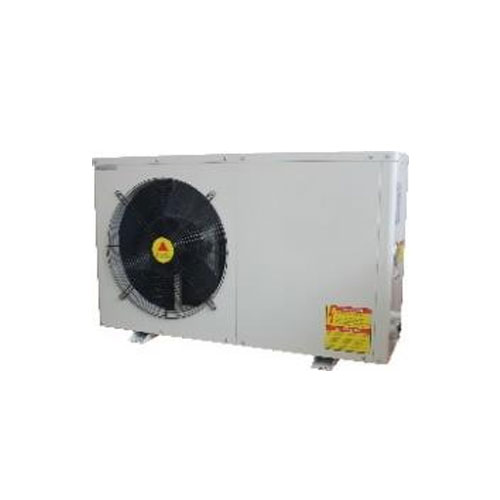
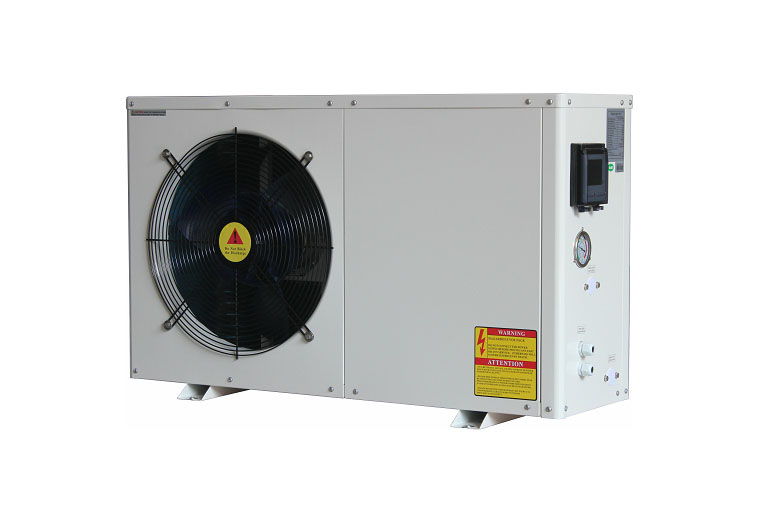
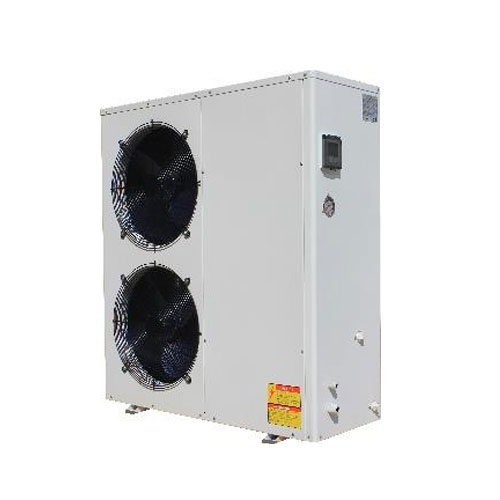
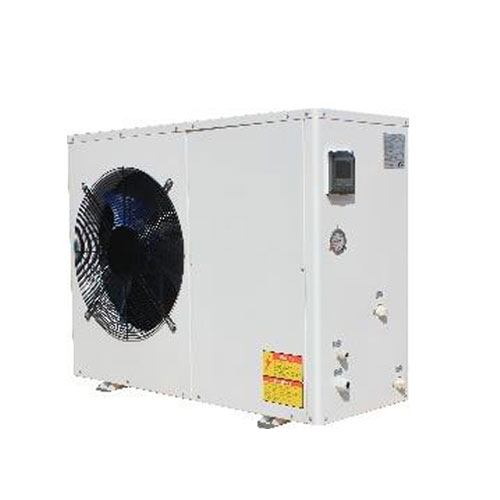
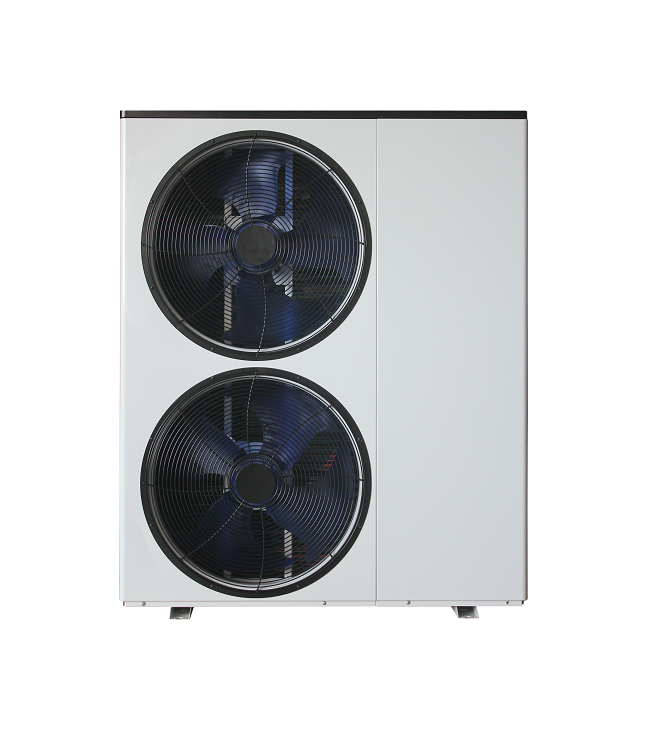
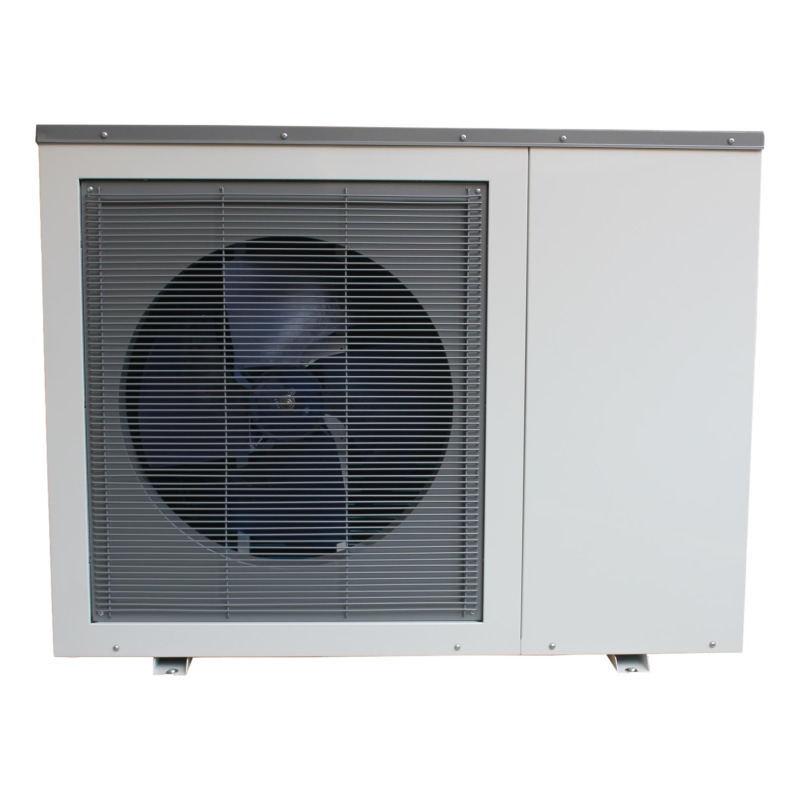
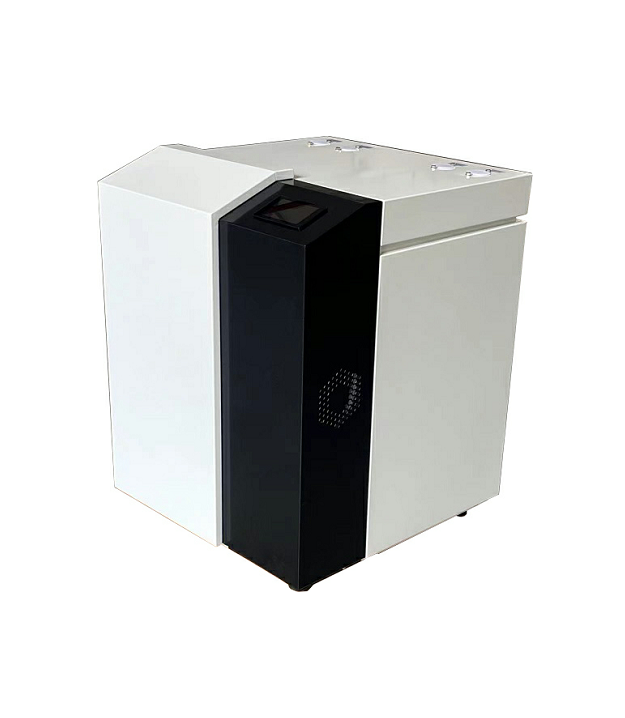
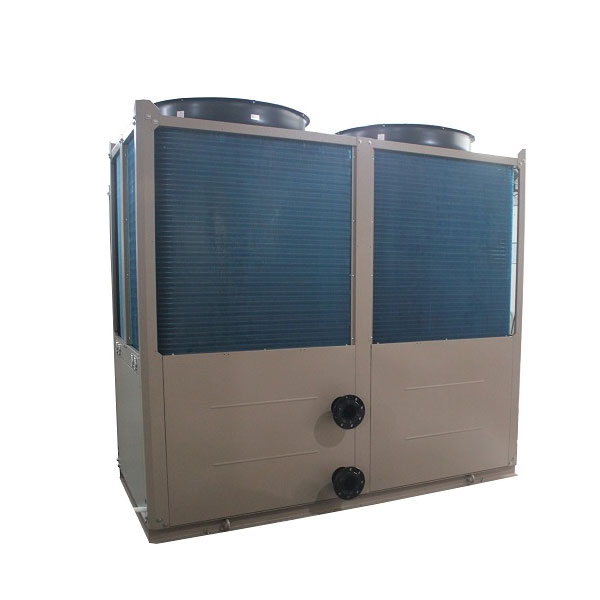
AIr to Water Heat Pump (3kW-6kW)
The ability of Air-to-Water Heat Pumps to maintain stable heating performance in cold climates has long been a key challenge for manufacturers. Conventional heat pumps are primarily designed for southern regions, functioning as water heaters, pool thermostats, or drying equipment in environments below-5°C. However, these systems often struggle with startup difficulties or unstable operation in extremely low temperatures. In contrast, ultra-low temperature water heaters can operate effectively even at sub-zero temperatures, delivering reliable heating performance even below-28°C. Consequently, ultra-low temperature air-source heat pumps provide superior heating efficiency in cold environments, fully meeting users' thermal requirements.
Solutions for water heaters in ultra-low temperature environments. Air source heat pumps face multiple challenges in low-temperature conditions. Insufficient compressor suction capacity: Reduced gas density leads to lower return gas pressure and evaporation temperature, decreasing refrigerant circulation and compromising overall heating capacity. Significant efficiency decline: As the temperature difference between the cold and hot ends increases, the compressor's pressure ratio rises, resulting in reduced volumetric efficiency. This causes decreased gas delivery capacity and a marked drop in energy efficiency ratio.
The risk of compressor failure increases when the Air-to-Water Heat Pump overheats. In such cases, the thermal conductivity of the refrigerant in the condenser drops sharply, while the lubricating oil's temperature rises and viscosity decreases. These factors may compromise the compressor's lubrication system, thereby increasing failure risks. Air-to-Water Heat Pumps struggle to operate effectively in low-temperature environments, facing these challenges that limit their application in cold regions. Advantages of Ultra-Low Temperature Air Source Heat Pumps: To address low-temperature challenges, water heaters are advised to adopt ultra-low temperature air source heat pump units. These units are equipped with compressors and refrigerants specifically designed for low-temperature environments, ensuring normal startup, stable operation, and efficient heat supply to meet users' thermal demands. Currently, this type of heat pump has been widely adopted for hot water and heating applications in northern regions.
The water heater operates by harnessing thermal energy from ambient air and sunlight. It generates 50°C hot water, which is then pumped through underfloor heating systems or fan coil units to provide radiant floor heating or air conditioning. This method ranks among the most comfortable heating solutions available today. Additionally, it efficiently utilizes free outdoor air energy, maintaining normal heating operation even in-28°C environments. During winter, northern China's outdoor minimum temperature reaches-14.6°C, with the coldest month averaging only-4.6°C. Despite these extreme conditions, indoor temperatures consistently remain within the comfortable range of 18°C to 23°C. This stability is achieved through the air-source floor heating system's consistent water supply, maintaining temperatures at 38°C. Calculated for an 110-day heating season with an average 90-square-meter household, total winter heating electricity consumption does not exceed 2,100 kWh, averaging approximately 35 kWh per square meter. Furthermore, The air-to-water heat pump boasts a coefficient of performance (COP) exceeding 3.2, keeping winter electricity costs around 16 yuan per square meter – even lower than comparable wall-mounted boiler systems. Case studies demonstrate that ultra-low-temperature air-source heat pumps are a smart choice for low-temperature environments. These systems not only deliver excellent heating performance and optimal operating temperatures but also feature low operational costs, reliable operation, and full compliance with national energy-saving and environmental protection policies.