FOSHAN SUOHER ELECTRICAL APPLIANCE CO., LTD
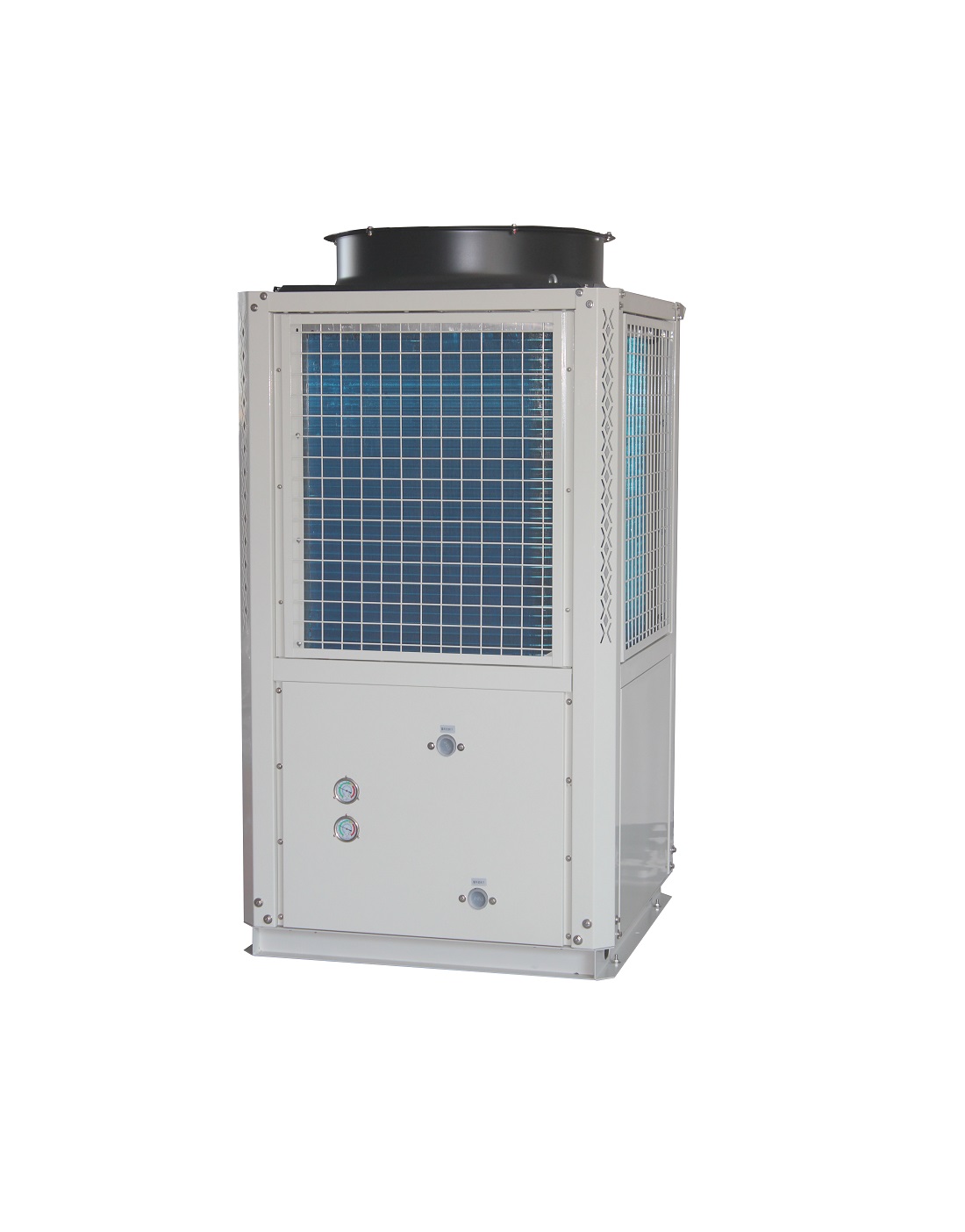
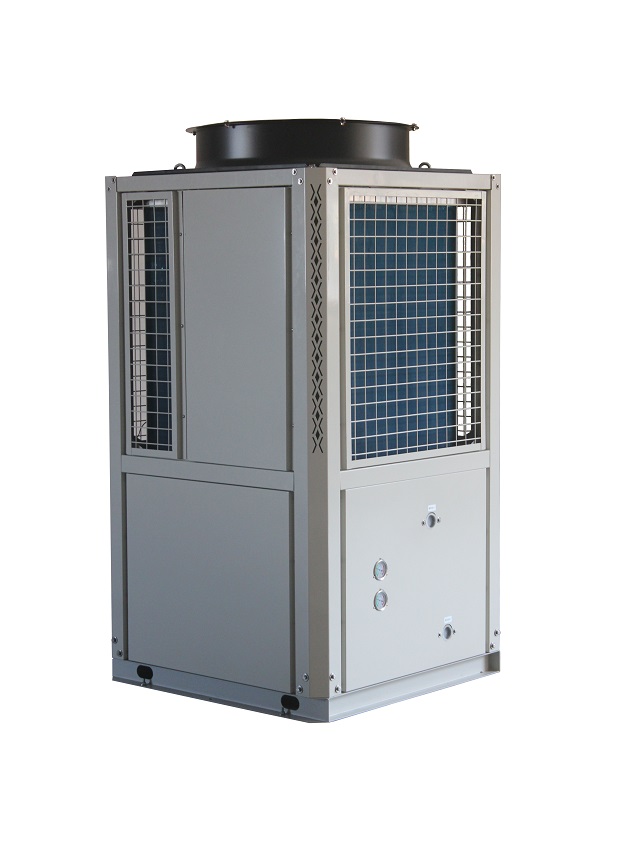
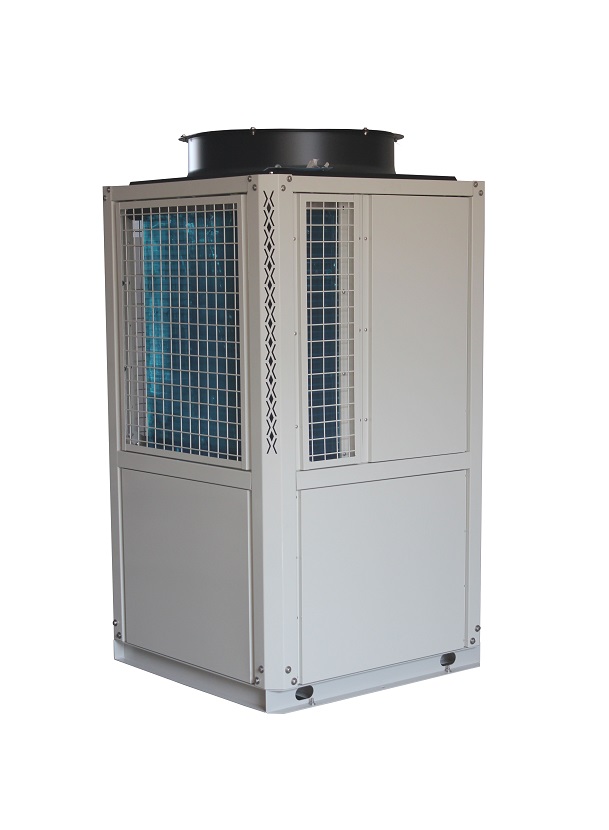
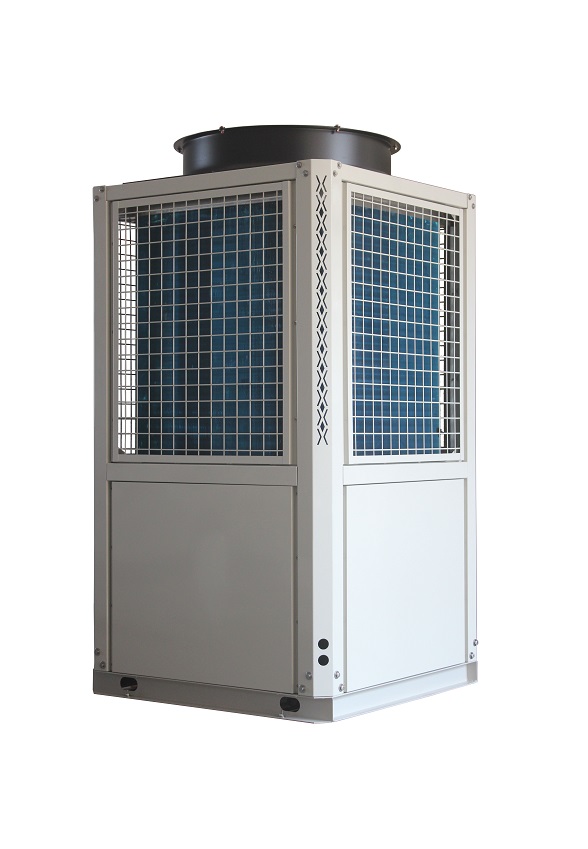
DC Inverter Heat Pump Working Model
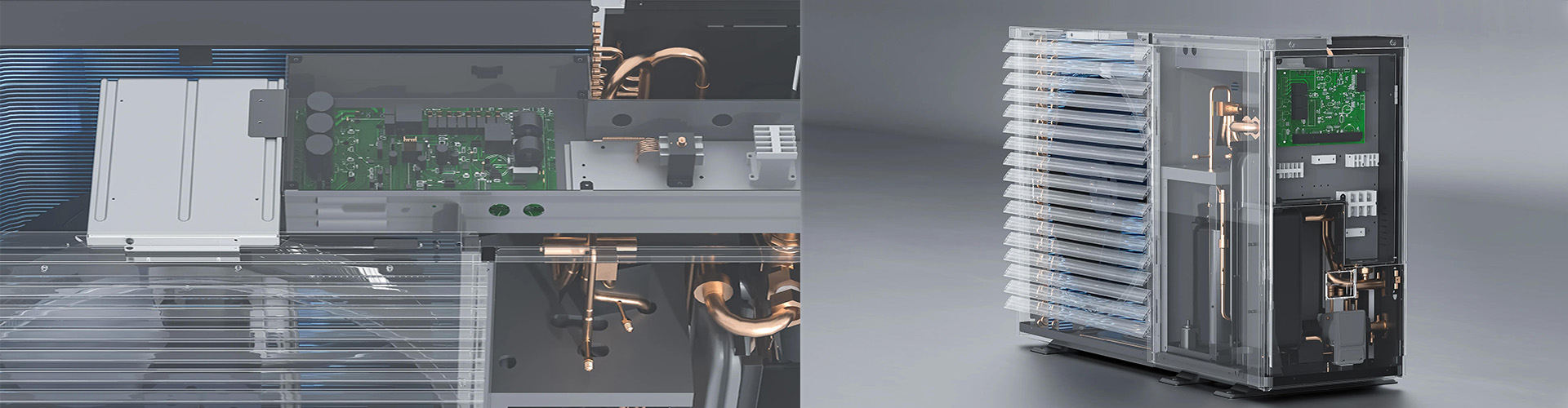
The working principle of the DC inverter heat pump combines energy conversion processes and technical modules, including step-by-step DC power processing and frequency conversion control. DC input conversion System receives DC from photovoltaic solar cells or mains rectified DC through a DC-DC boost circuit to adjust voltage to the compressor's operating range. Core technology: PWM pulse width modulation technology : Switching transistors operate at high frequencies to chop DC into pulses;
The DC inverter heat pump utilizes inductor energy storage and release, combined with filter capacitors to output stable DC voltage (e.g., boosted to 300-800V DC). Compressor frequency conversion drive Inverter (DC-AC conversion) : Converts high-voltage DC to adjustable-frequency AC to drive the compressor motor . Key process: Control chip (e.g., DSP) generates SPWM waveforms; Full-bridge circuit converts SPWM waves into analog sinusoidal AC; Precise compression speed control is achieved by adjusting frequency (0-150Hz range), enabling 10%-100% infinitely variable regulation.
DC Inverter Heat Pump Core Cycle (Reverse Carnot Cycle): Refrigerant Circulation in Four Steps (Based on the Second Law of Thermodynamics): Evaporation Absorption : Low-temperature liquid refrigerant absorbs heat from air/water source in evaporator, vaporizing into low-temperature gas (heat absorption process); variable frequency compressor compresses low-temperature gas into high-temperature and high-pressure gas, causing sudden temperature rise (main power-consuming stage) ; Condensation Heat Release : High-temperature gas releases heat to water/air in condenser, condensing into high-pressure liquid (heating or hot water);
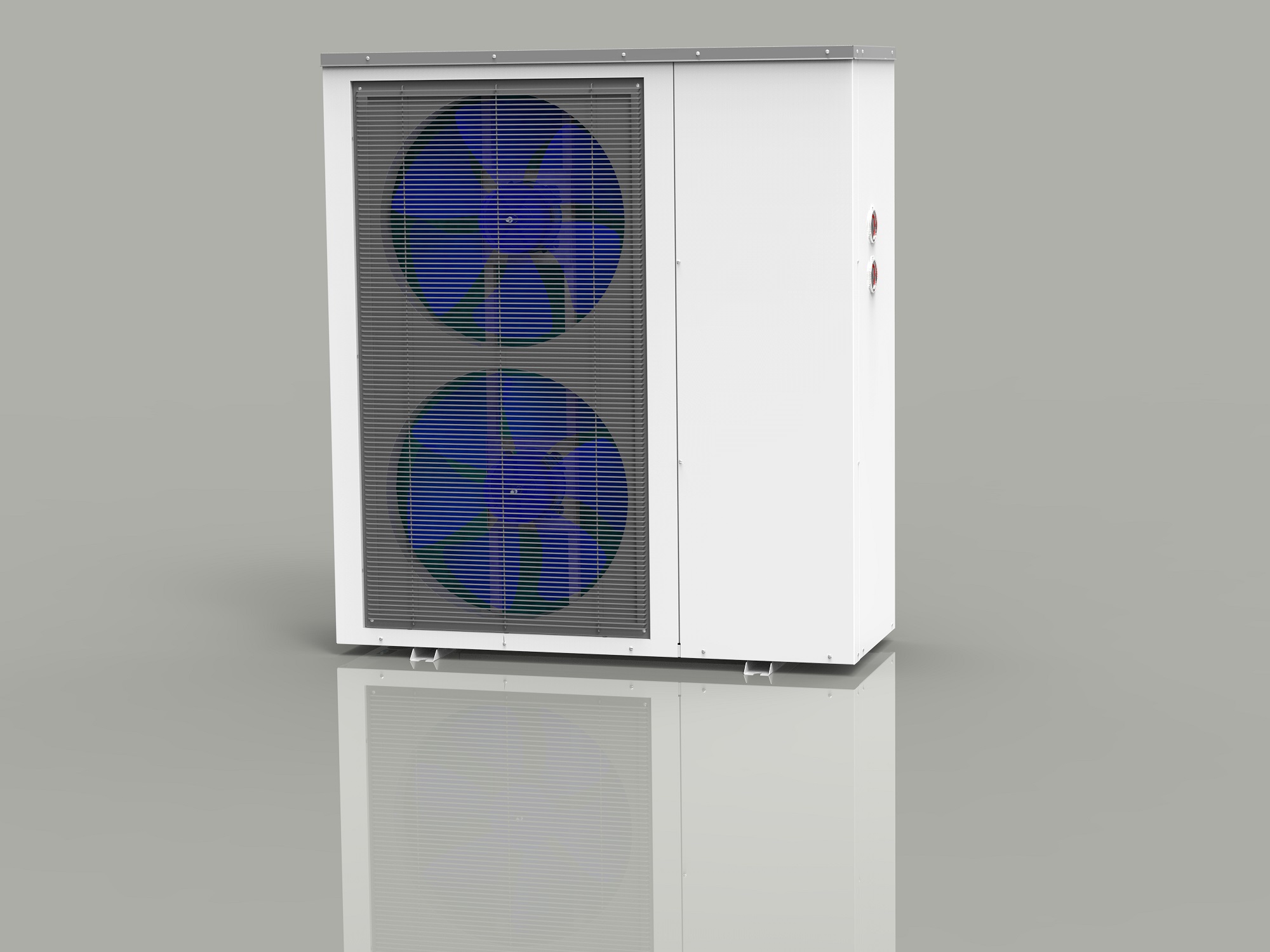
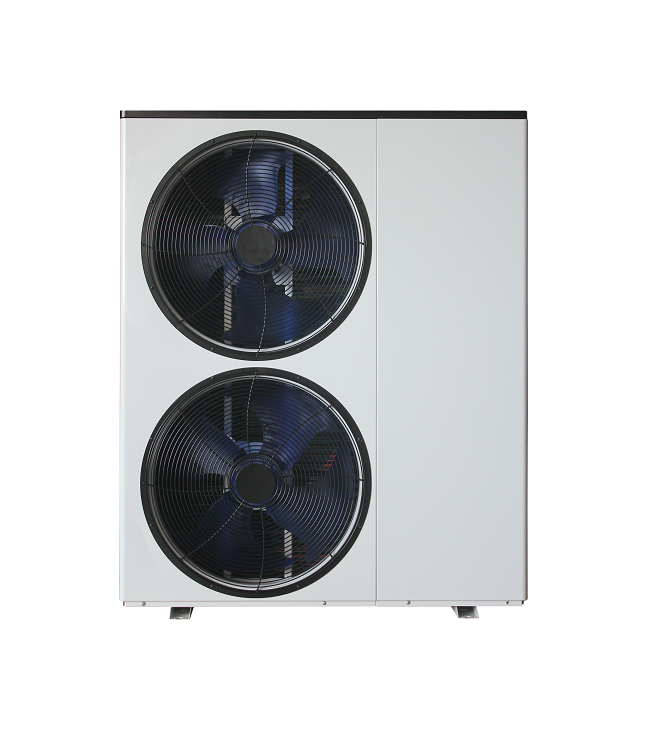
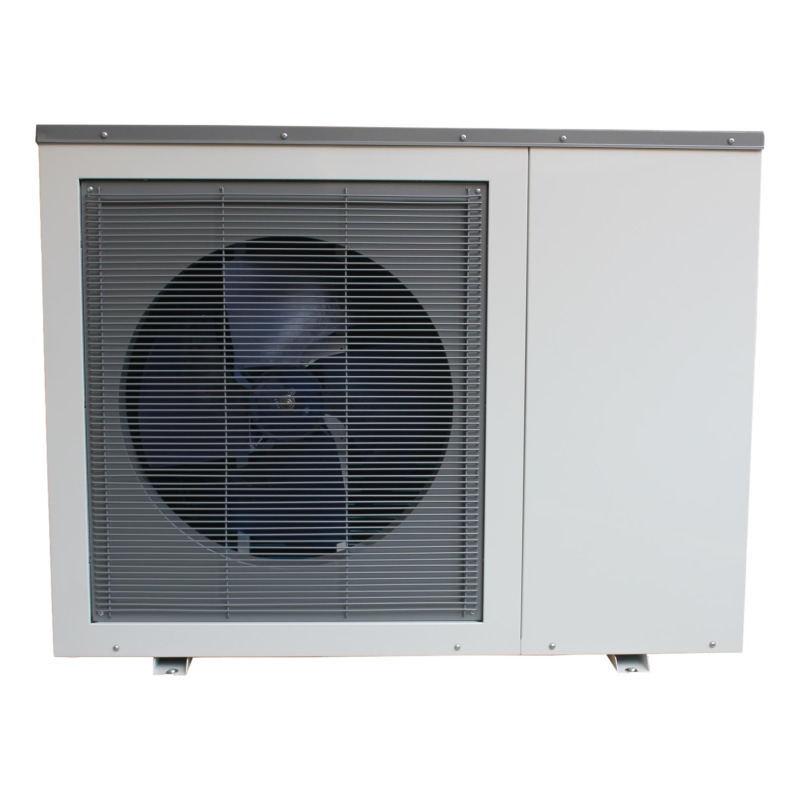
Air-to-Water Heat Pump Expansion and Pressure Reduction : Electronic expansion valve reduces refrigerant pressure and temperature, returning to evaporator. Heating/Cooling Mode Switching Through four-way reversing valve Reverse refrigerant flow direction: condenser acts as indoor radiator during heating; evaporator absorbs indoor heat (reverse cycle) . New Product Heat Pump Temperature Sampling : Real-time monitoring of environmental, refrigerant, and water temperature parameters; Dynamic Frequency Regulation : Controller (e.g., PID algorithm) compares setpoint and actual values, adjusting compressor/fan speed (e.g., triggers frequency adjustment when room temperature deviates by 1°℃); Low-Temperature Environment Activation EVI jet enthalpy injection technology (compensatory gas enthalpy cycle) enhances heating efficiency at-25°℃. DC Inverter Heat Pump PV Direct Drive Mode: The MPPT controller prioritizes solar energy utilization. Core technological innovations include: Module Traditional Fixed-Frequency Heat Pump DC Inverter Heat Pump . Compressor Control: Start/Stop Mode (Energy Efficiency Ratio ≈2.8) with In-Phase Variable Frequency (COP up to 4.0+) . Temperature Adaptability: Heating Capacity at-10°℃ with-30°℃ Stable Operation (EVI Technology).
Air-to-Water Heat Pump: Energy Utilization: AC Motor + Capacitor Filter Loss Reduced by 10%-20% Conversion Loss with DC Direct Drive . When indoor temperature approaches set point, compressor automatically reduces frequency to low-speed operation (e.g., 30Hz), consuming only 30% of full-load power, achieving "Constant Temperature and Energy Saving" mode.