Products

Featured products

Contact us

  • Wall mounted heat pump water heater
  • Wall mounted heat pump water heater
  • Wall mounted heat pump water heater
  • Wall mounted heat pump water heater
  • Wall mounted heat pump water heater
  • video

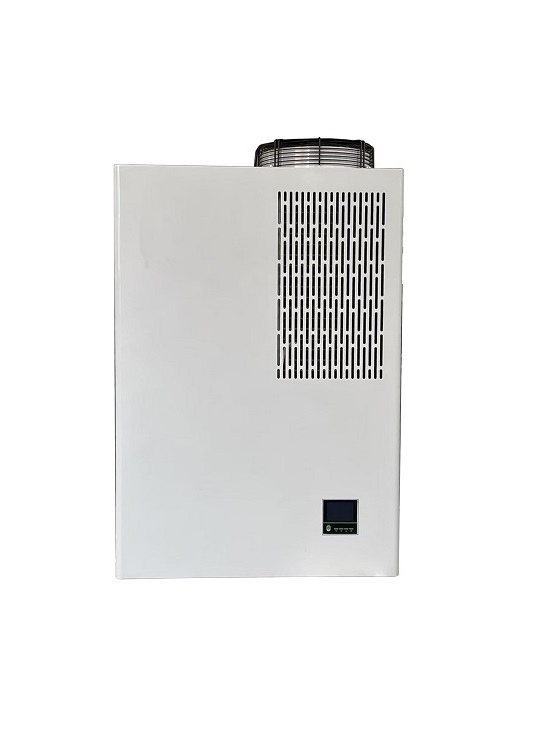
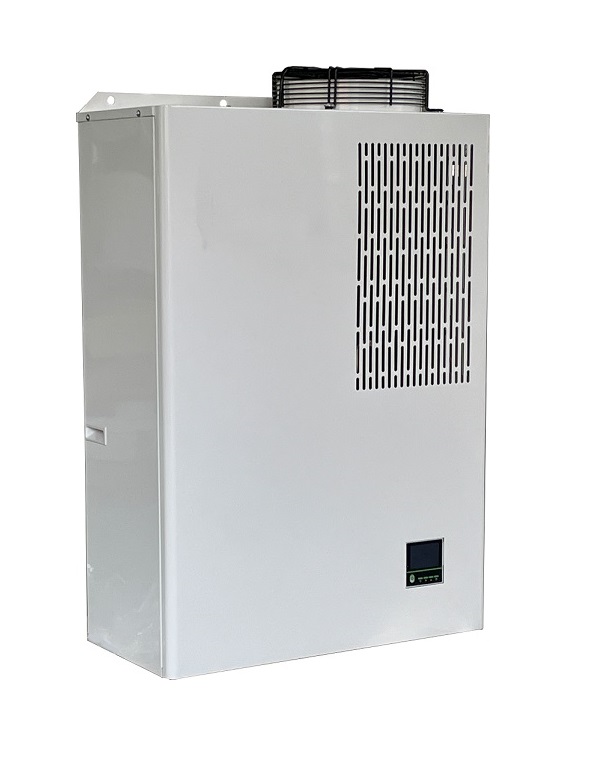
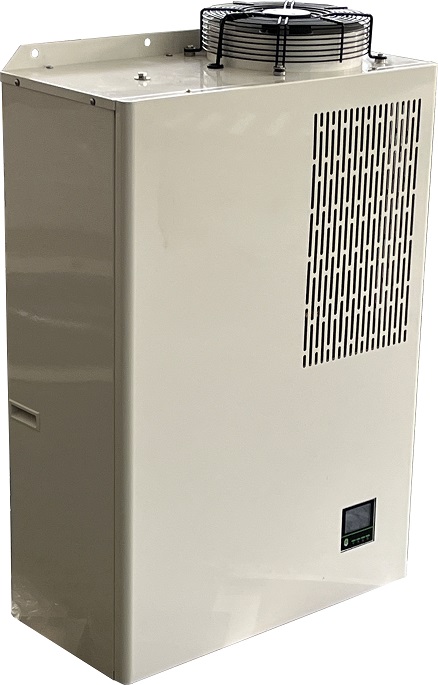
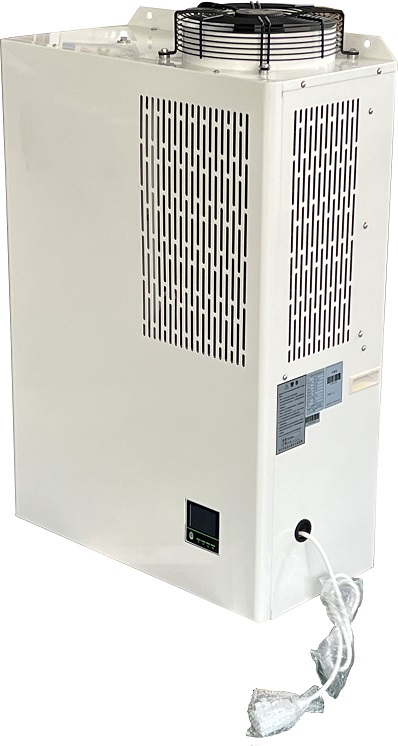
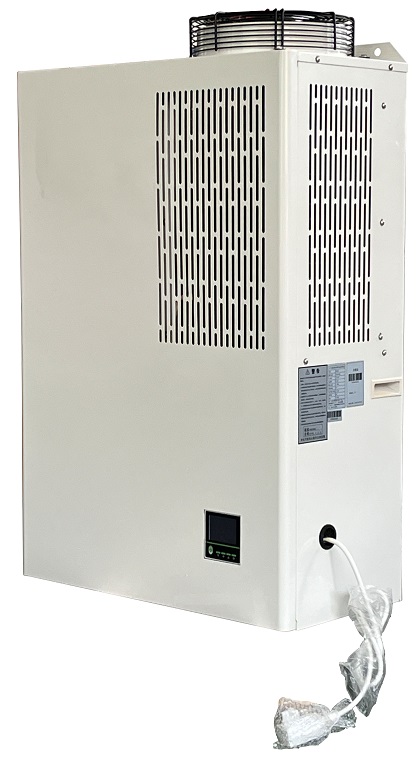
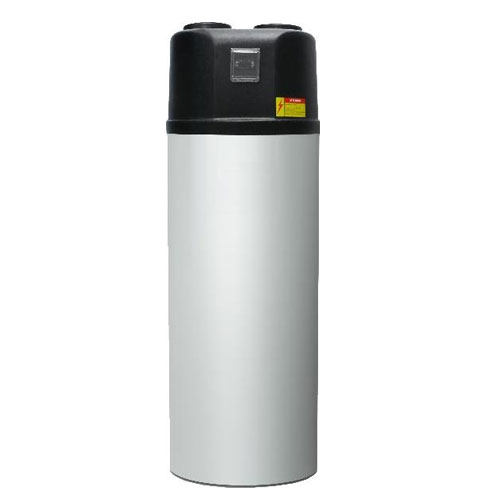
Wall mounted heat pump water heater

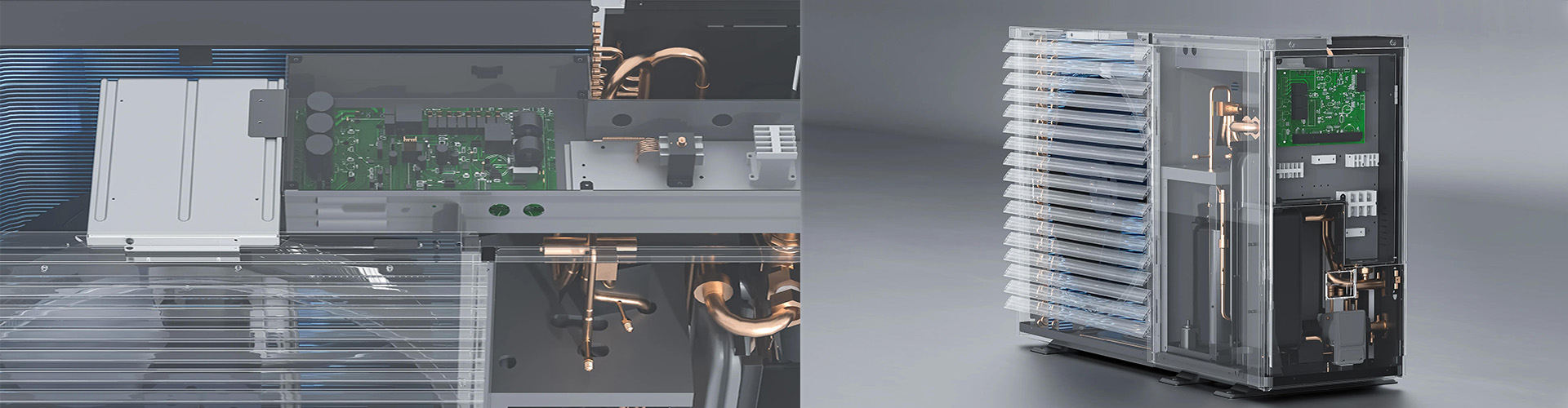
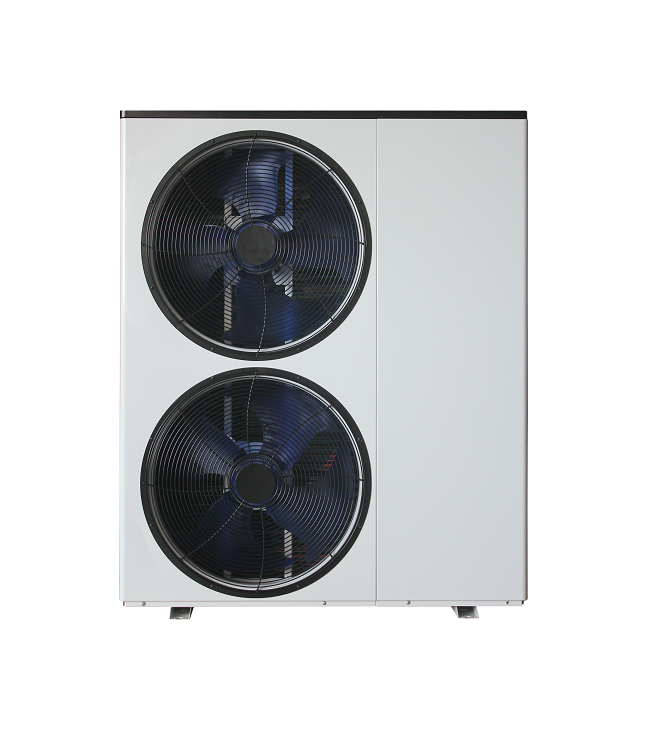
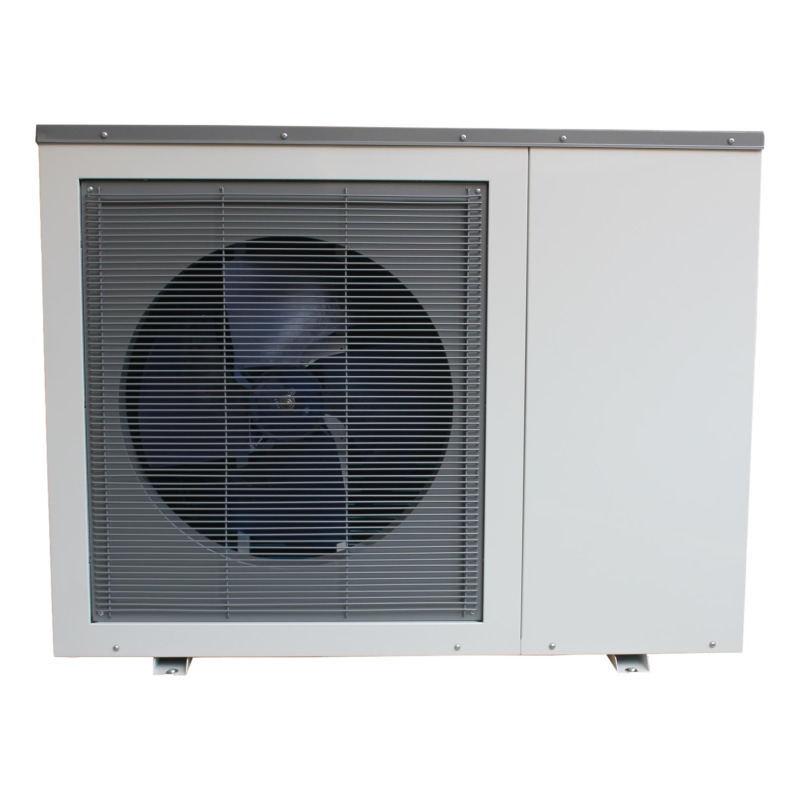
1. High efficient and energy-saving, 1kW of electricity power can generate 4kW of heating power. 2. Clean and environmental friendly, no exhaust gas or pollution will be generated during use. 3. Easy to install and use. All in one heat pump, only connect water pipe and electricity, then can generate hot water.
  • suoher
  • China

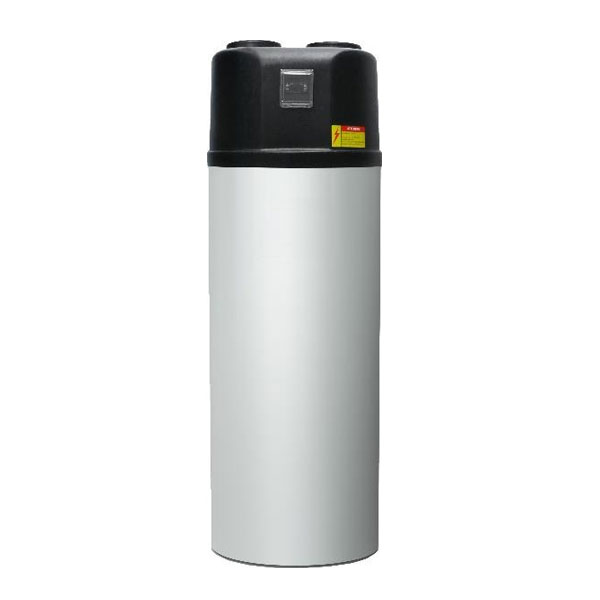
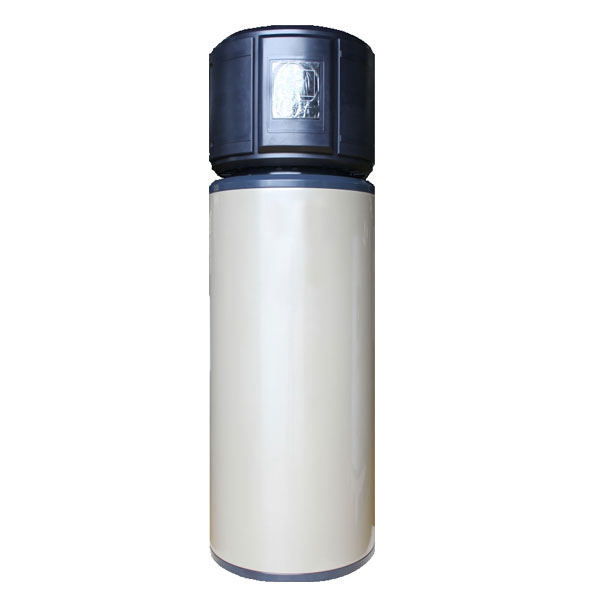
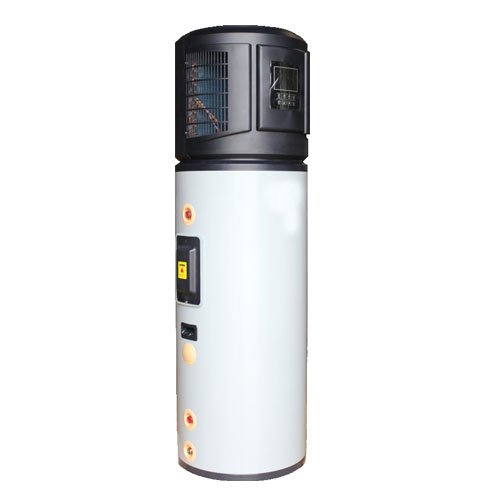
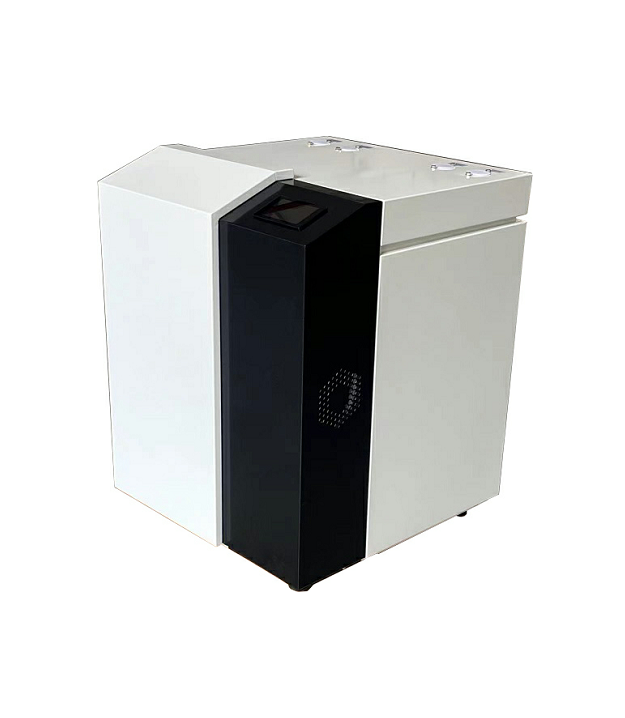
                                                All in one heat pump 

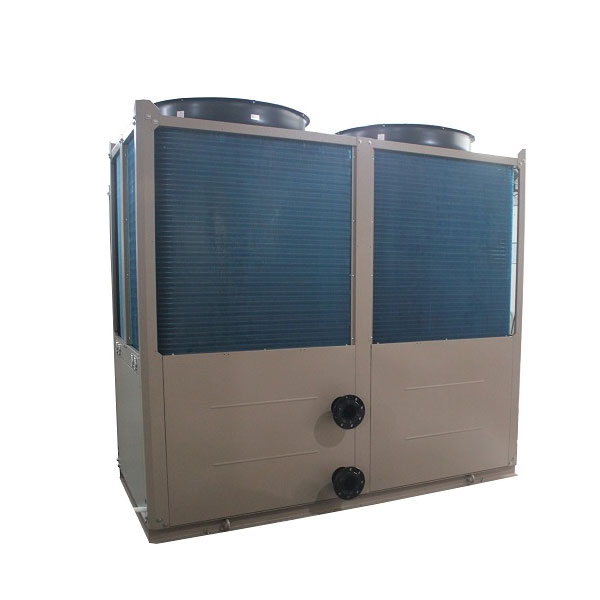
The core differences and characteristics between all-in-one heat pump water heaters (i.e., integrated air-source heat pump water heaters) and traditional electric/gas water heaters can be compared from multiple perspectives. The primary distinction lies in technical principles: ‌Integrated heat pump water heaters primarily ‌utilize the reverse Carnot cycle principle, where refrigerant absorbs thermal energy from the air, is pressurized by the compressor, and transfers heat to water in the tank through a heat exchanger‌. Their energy consumption is merely 1/4 of that of electric water heaters, demonstrating outstanding environmental performance‌. ‌

Traditional integrated water heaters mainly ‌rely on electric heating elements or direct gas combustion for heating, resulting in lower energy efficiency and safety risks (e.g., electric leakage, gas leaks)‌. Structural design ‌features: Heat pump water heaters integrate components ‌ into a single unit with the tank, including a compressor, evaporator, and water tank. Traditional water heaters ‌only consist of tanks and heating elements.

Wall-mounted heat pumps ‌ require connection to water and electricity but have lower installation technical requirements‌. While simple to install, they demand proper gas source/circuit conditions‌. Space occupation ‌ is relatively large (due to the integrated unit) and requires outdoor/ventilated locations‌. Indoor installation is feasible.

Air-to-water heat pumps excel in energy efficiency‌, achieving a heat pump energy efficiency ratio exceeding 400%, with significantly lower long-term operating costs compared to electric/gas water heaters‌. ‌Safety features include separated water and electricity designs, eliminating risks of electric shock or gas poisoning. ‌Some models are compatible with heating and cooling functions (requires special design)‌. . Low-temperature performance degradation‌ Some models require electric auxiliary heating below-15℃°C, increasing energy consumption (commercial models like Karol Lingdong support low-temperature operation)‌. ‌ Commercial applications‌: 3P 5-horsepower (operates at-15℃°C with 300L large capacity), some commercial units (supporting water supply for 10-25 people)‌. ‌ Traditional water heaters suit‌ spaces with limited space and budget where high-frequency heating is not required (e.g., small apartments). ‌ Wide capacity options available:‌ 150-300L for households (3-6 people), over 1 ton for commercial use‌.

All-in-one heat pumps excel in energy efficiency and safety, ideal for medium-to-high water demand scenarios; traditional unit heaters win with affordability and compact size. Comprehensive selection‌ based on budget, space, and climate conditions.
  • How does the Air Source Heat Pump work?

    The heat from the sun is stored in the air year after year so that we can get a constant source of naturally renewed energy. This stored energy is ideal heat source for your daily domestic heating demand. The air source heat pump collects heat from the solar energy stored in the air. The heat is collected and carried by refrigerant and then converts it into high grade heat to be released to your house by underfloor heating system or radiator and into your domestic hot water tank. ● The solar energy stored in the nature can be brought up by a heat exchanger called evaporator. Here the refrigerant absorbs the solar energy and turns into very low temperature gas. ● The gas refrigerant is compressed and turns into very hot and high pressure gas, then the heat is transferred to the water-based heating system in the house by a condenser. ● Then the refrigerant reverts to low pressure liquid and is ready to collect new solar energy.
  • How long is the warranty period of the heat pump?

    We promise that if the main parts of the product are damaged due to quality or process problems within 24 months, we will guarantee the product.
  • Does the heat pump cause pollution?

    The heat pump will not emit any pollutants during operation, but attention should be paid to equipment maintenance to avoid refrigerant leakage.
  • How do I choose the most suitable heat pump model?

    Customers can read our product catalog, browse different product introductions, and then decide which one to choose.
  • How many dB is the noise when the heat pump is running?

    The operating noise of different models varies greatly, from about 30 to 60 dB. Here are some examples: -30dB is similar to the voice of human whispers. -40dB is similar to the sound of refrigerator operation. -60dB is similar to the voice of normal conversation.
  • Why does the copper radiator in the product have some scars and distortions?

    Please don't worry about this problem. Copper is a very soft metal. The copper sheet on the parts will inevitably be squeezed and impacted during the transportation of materials and parts, resulting in some dents or minor scars, which will not affect the performance and service life of the product.

Related Products

Get Quote

top
1.253750s