
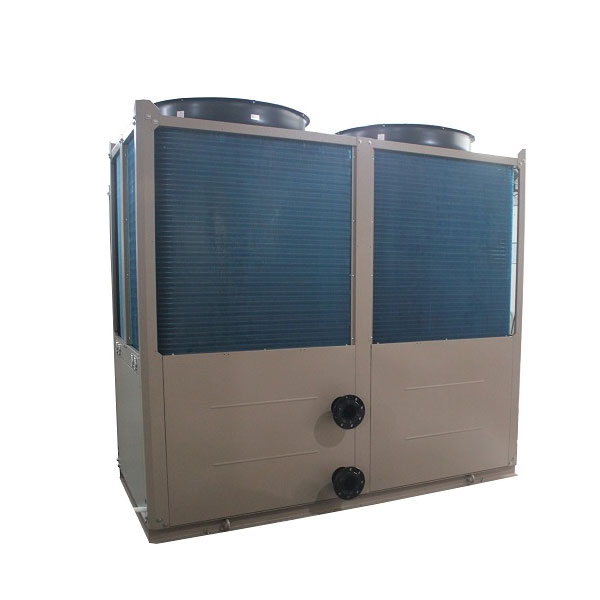
With energy prices climbing worldwide, ground source heat pumps (GSHPs) are gaining attention as a clean, efficient way to heat and cool homes. But the big question on every homeowner’s mind is simple: Are they actually worth the high upfront cost?
This guide breaks down the costs, savings, pros, cons and who should — and shouldn’t — invest in a ground source heat pump.
What Is a Ground Source Heat Pump?
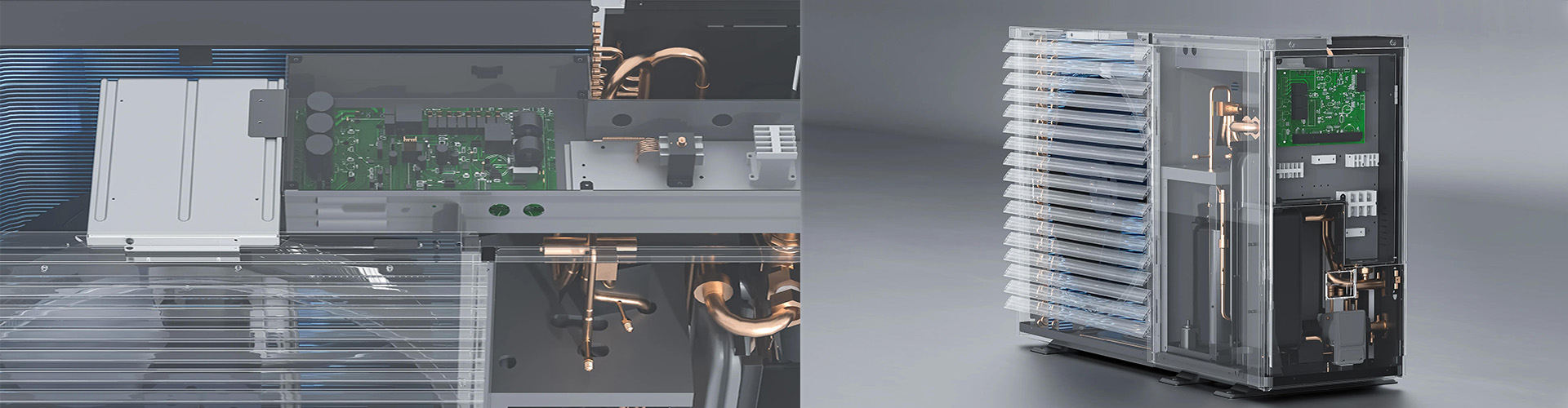
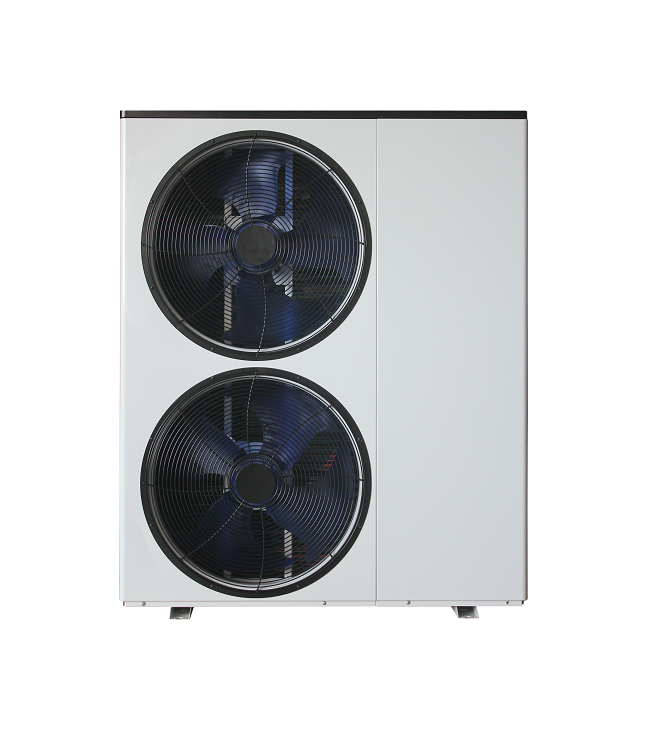
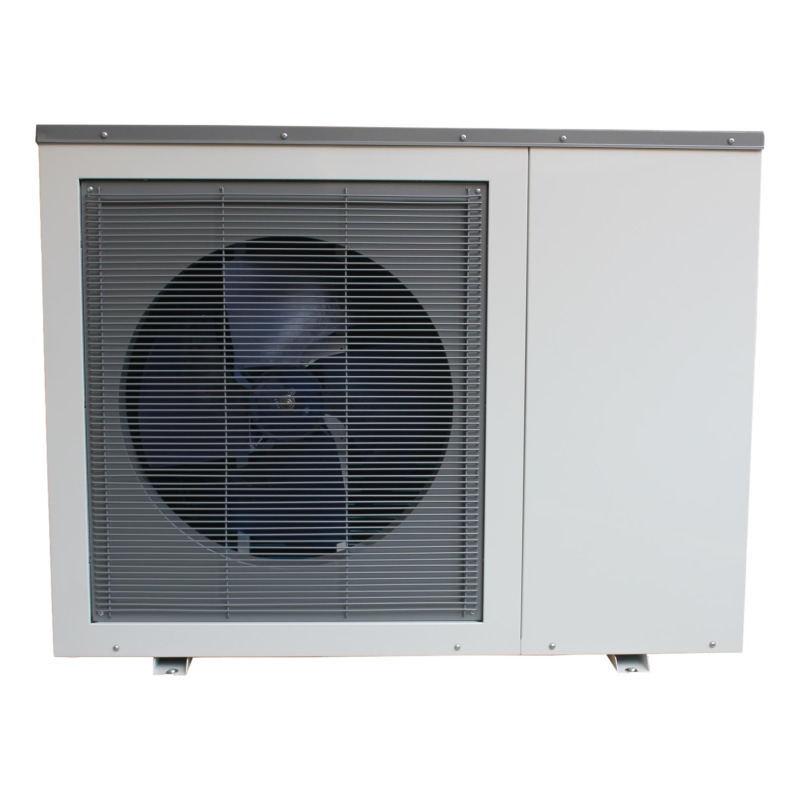
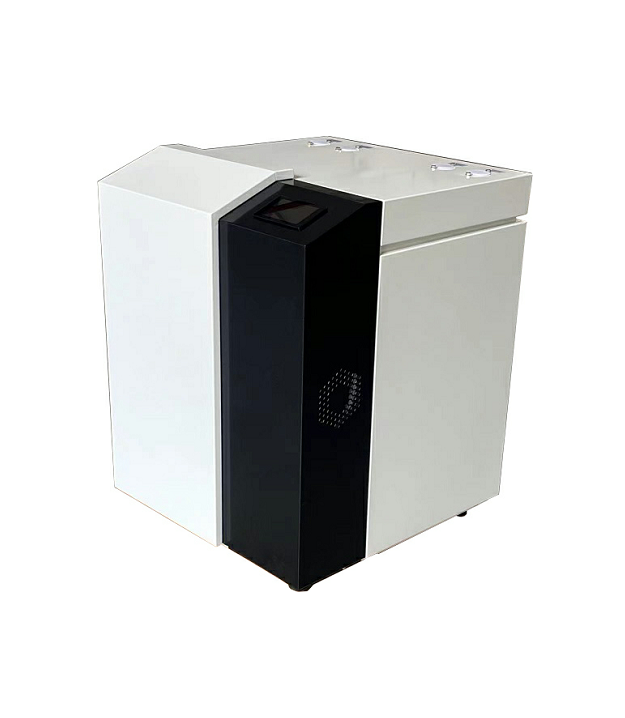
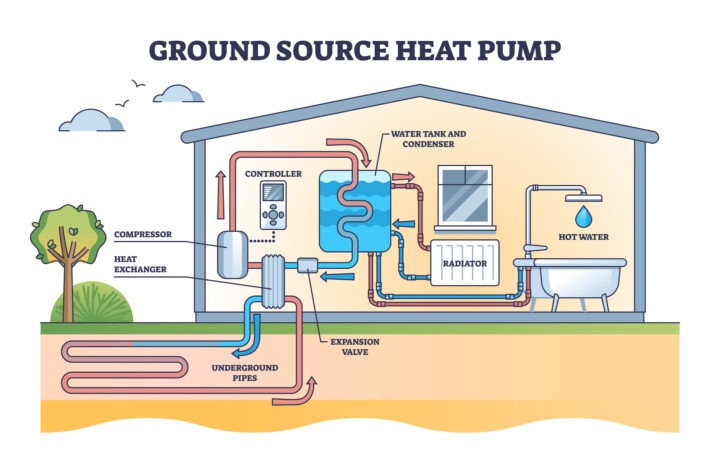
A ground source heat pump uses the stable, constant temperature underground to heat your home in winter and cool it in summer. By transferring heat between the soil and your house, it runs far more efficiently than standard heating or cooling systems. It’s quieter, longer-lasting and more eco-friendly — making it one of the most sustainable home energy solutions available.
How Much Does Installation Really Cost?
One thing is clear: GSHP is not cheap to install.
The total price depends mostly on:
· Home size
· Land and soil conditions
· Drilling work required
· Your home’s insulation quality
On top of equipment and labor, you may also pay to remove old heating systems and restore your landscape.
Overall, it’s a large upfront investment — much higher than gas boilers or air source standard heat pumps.
Savings & Payback Period
While installation costs are steep, the long-term savings are significant.
Ground source heat pumps cost far less to run than gas, electric heating or air-source heat pumps.
Most homeowners can earn back their initial investment through lower energy bills within several to 15 years.
Better insulation and rising energy prices will only speed up the payback.
Government Incentives
Many countries offer subsidies, tax breaks or grants for clean heating systems, which can help reduce the overall cost.
· Large subsidies
subsidies in Europe cover 35%-45% of the cost, and subsidies for single households in the United States and Britain are about 70,000-90,000 yuan, which significantly reduces the threshold for high initial investment.
· Mandatory standard hard
Germany、Britain、EU new house mandatory renewable energy heating, ground source heat pump because of high efficiency (COP 3-5), low temperature stability to become the first choice.
· Strong long-term economy
IEA estimates that the whole life cycle heating cost of ground source heat pump is lower than that of gas boiler; Carbon taxes (such as in Sweden) and low electricity prices (green electricity in Europe and the US) further amplify this advantage.
Downsides You Need to Know
GSHPs aren’t for everyone. Key limitations include:
Requires enough outdoor space for drilling and pipe installation
Not cost-effective if you plan to move soon
Performs poorly in poorly insulated homes
Installation takes time and temporarily disturbs your yard
Who Should Install a Ground Source Heat Pump?
✅ Best for:
· Homeowners with a house, villa or enough land
· People planning to live in their home long-term (10+ years)
· Anyone who wants quiet, consistent, comfortable temperatures
· Eco-conscious households focused on long-term savings
❌ Not ideal for:
· Small homes with no outdoor space
· Houses with bad insulation
· Homeowners on a tight budget
· Those planning to sell or move within a few years
Final Verdict
So, are ground source heat pumps worth it?
Yes — for the right homeowner.
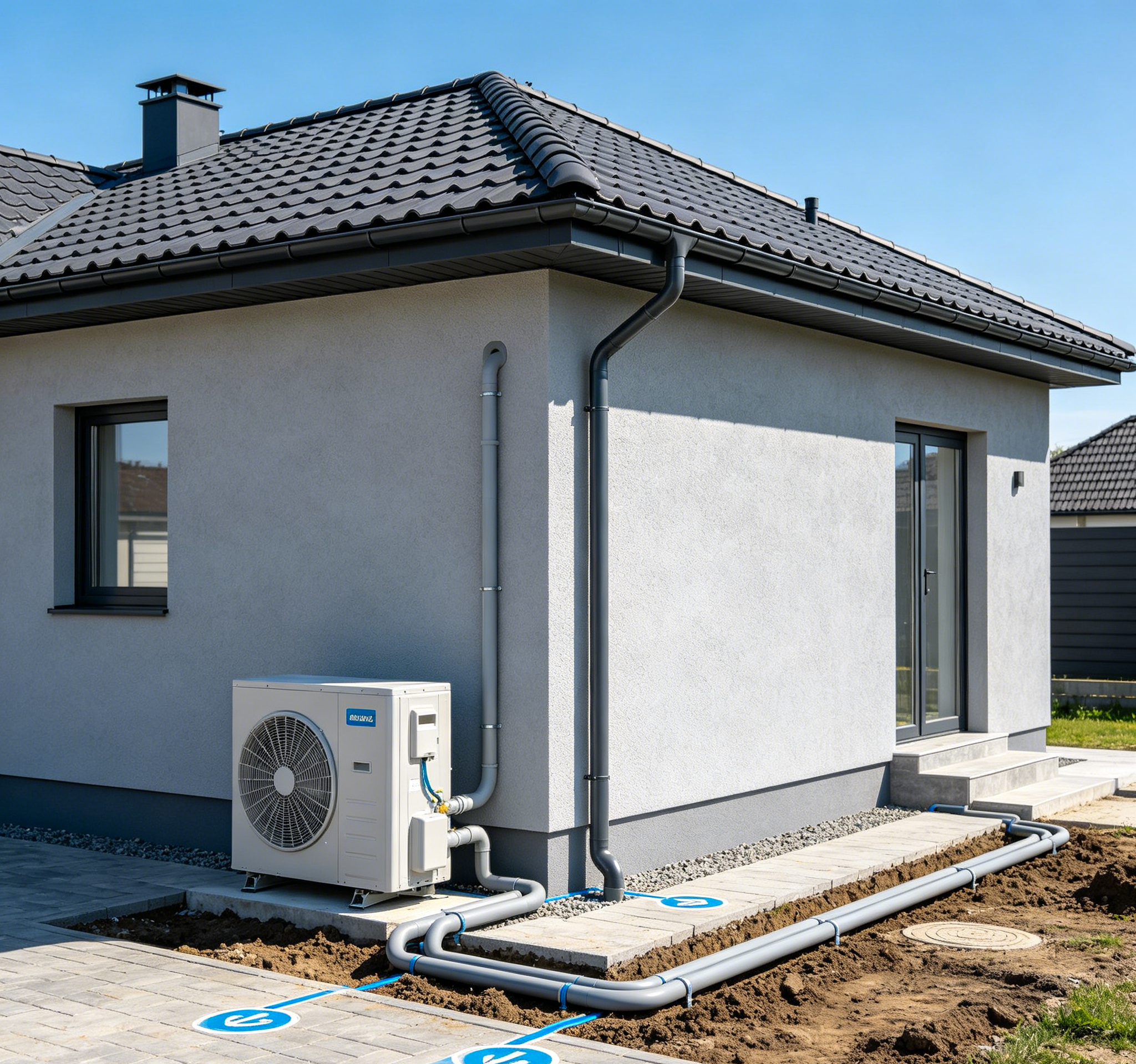
They cost more upfront, but deliver lower bills, better comfort and strong long-term value.