
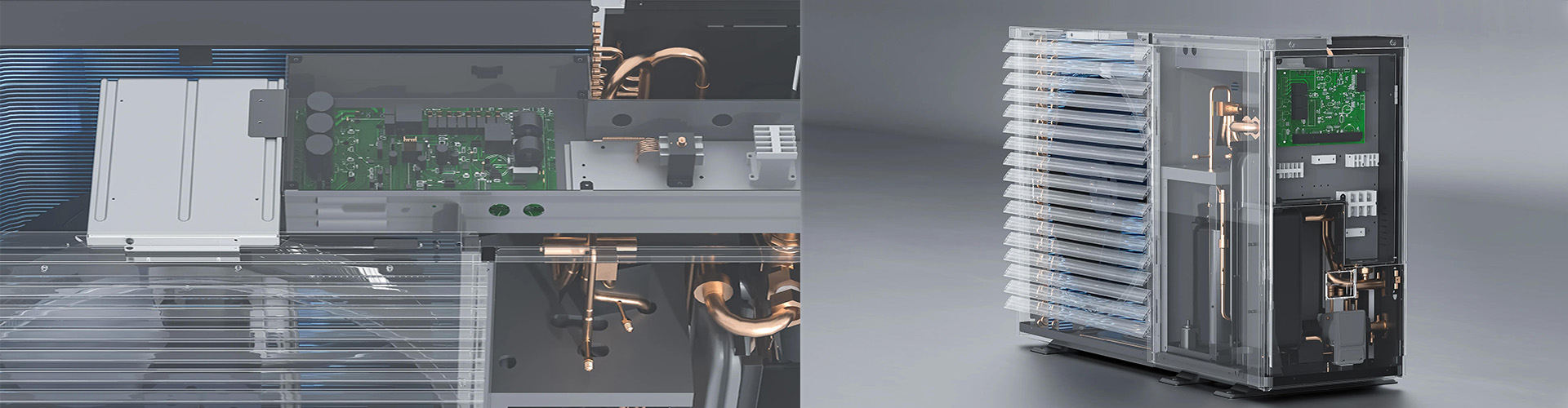
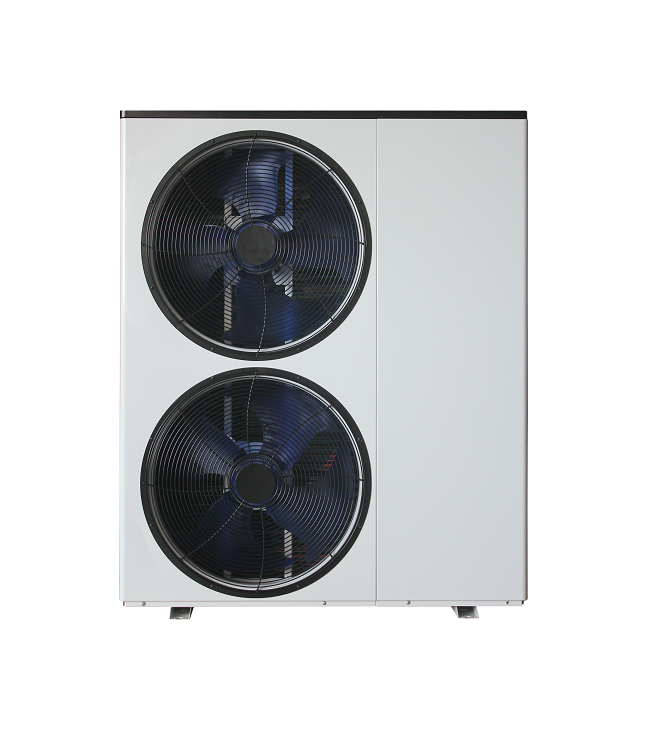
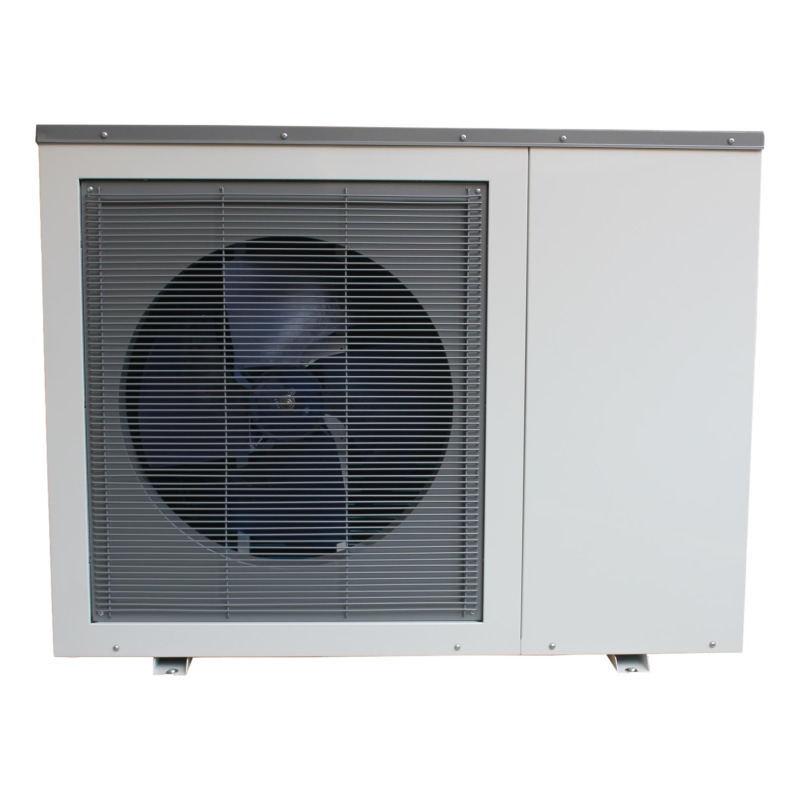
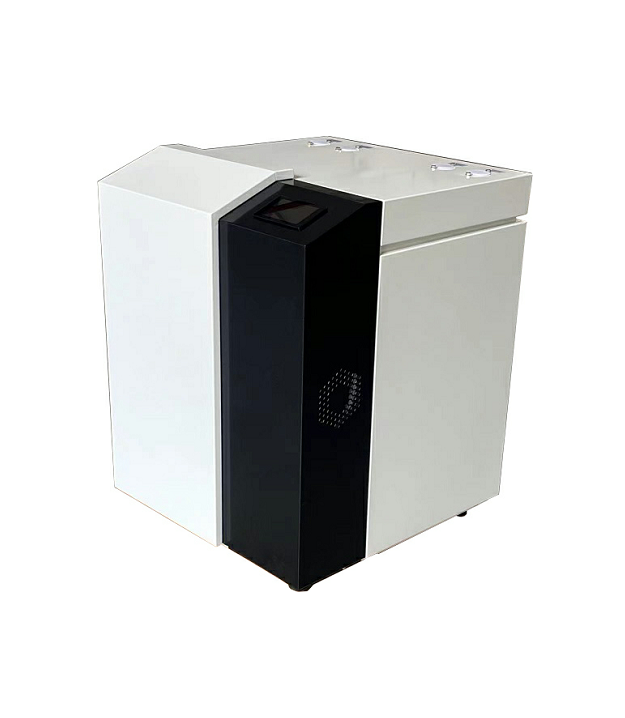
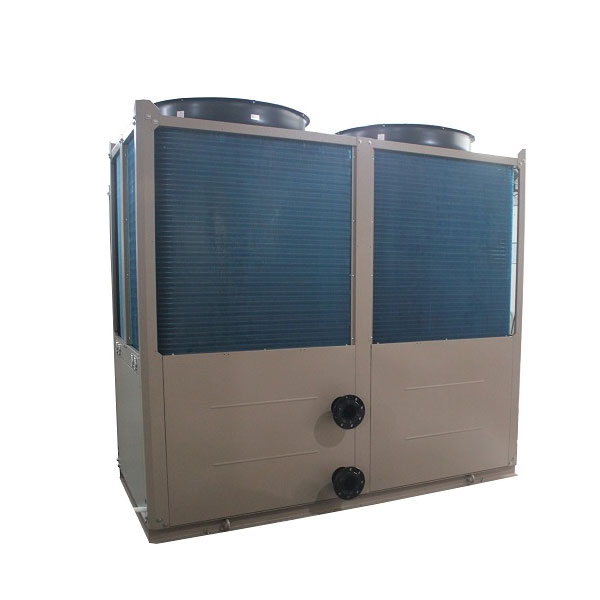
Are you still relying on traditional heating systems that drain your budget and harm the planet? Imagine a cold winter morning: your facility's heating bill has skyrocketed, yet the indoor temperature remains uneven. This is the reality for many commercial and industrial operators. But what if you could cut energy costs by up to 50% while achieving consistent comfort? The answer lies in air to water heat pump technology. At FOSHAN SUOHER ELECTRICAL APPLIANCE CO., LTD, we specialize in high-efficiency heat pumps that transform ambient air into reliable heating and cooling. In this blog, we'll unveil the secrets behind this game-changing technology and show you how it can revolutionize your energy strategy.
Pain Points: The Hidden Costs of Traditional Systems
1. Escalating Energy Bills
Traditional heating systems, such as gas boilers or electric resistance heaters, consume vast amounts of energy. For a mid-sized manufacturing plant in Germany, annual heating costs can exceed €100,000. With fluctuating fuel prices, budgets become unpredictable. The result? Reduced profit margins and constant financial stress.
2. Inefficient Temperature Control
Many facilities struggle with uneven heating. Hot spots near radiators and cold zones in corners lead to discomfort and reduced productivity. In a warehouse, this can damage sensitive goods. A logistics company in the UK reported a 15% increase in product spoilage due to temperature fluctuations, costing over £50,000 annually.
3. High Maintenance and Downtime
Conventional systems require frequent servicing. Boilers need annual inspections, and electric heaters have limited lifespans. Unexpected breakdowns cause costly downtime. A hotel in France lost €20,000 in revenue during a week-long boiler failure in peak season.
Solutions: How Air to Water Heat Pumps Address These Pain Points
1. Slash Energy Costs with COP > 4
Air to water heat pumps achieve a Coefficient of Performance (COP) of 4 or higher, meaning for every 1 kW of electricity input, they produce 4 kW of heat. Compared to gas boilers (efficiency ~90%), this represents a 60% reduction in energy consumption. FOSHAN SUOHER's models use inverter compressors and smart controls to optimize performance even at -25°C ambient temperatures.
2. Consistent Comfort with Zoned Control
Our systems integrate with building management systems (BMS) to provide precise temperature control across multiple zones. By using variable speed pumps and electronic expansion valves, we maintain ±0.5°C accuracy. This eliminates hot and cold spots, improving occupant comfort and protecting sensitive processes.
3. Reduced Maintenance and Extended Lifespan
Heat pumps have fewer moving parts than boilers and no combustion. With proper maintenance, they last 15-20 years. FOSHAN SUOHER offers remote monitoring and predictive diagnostics, reducing unplanned downtime by 90%. Our units come with a 5-year warranty and 24/7 technical support.
Customer Success Stories
Case 1: Hotel in Munich, Germany
Owner: Klaus Weber. Installed two 50 kW heat pumps for space heating and domestic hot water. Result: 45% reduction in energy costs (from €80,000 to €44,000 per year). Klaus says, "The system paid for itself in 3 years. Our guests love the consistent warmth."
Case 2: Warehouse in Lyon, France
Manager: Sophie Lefevre. Replaced an old gas boiler with a 100 kW heat pump. Energy savings of 55% and product spoilage reduced by 80%. Sophie: "We saved €60,000 annually and eliminated temperature-related complaints."
Case 3: Office Building in London, UK
Facility Manager: James Brown. Installed a hybrid system with 30 kW heat pump and solar PV. Achieved net-zero carbon status. Energy cost dropped 50% to £25,000/year. James: "This technology is the future. Our carbon footprint is now minimal."
Case 4: Dairy Farm in Wisconsin, USA
Owner: John Miller. Used a 75 kW heat pump for milk cooling and space heating. Reduced electricity consumption by 40% and improved milk quality. John: "The heat pump handles our peak loads efficiently. It's a robust solution."
Case 5: School in Stockholm, Sweden
Principal: Anna Lindgren. Installed two 60 kW units for heating and cooling. Annual savings of SEK 300,000 (€28,000). Anna: "The system is quiet and reliable. Students and staff are comfortable year-round."
Applications and Partnerships
Air to water heat pumps are ideal for hotels, hospitals, schools, warehouses, and industrial processes. FOSHAN SUOHER partners with leading European distributors like Enertech GmbH and Climaveneta S.p.A. to deliver tailored solutions. Our units comply with EN 14511 and ERP 2018 standards, ensuring high performance and eligibility for government incentives.
Frequently Asked Questions
Q1: How does an air to water heat pump perform in extreme cold?
A: Modern units like ours operate down to -25°C with a COP above 2.0. At -15°C, COP is typically 2.5-3.0. We use enhanced vapor injection and defrost cycles to maintain efficiency.
Q2: What is the payback period?
A: Typically 2-5 years depending on local energy prices and incentives. In Germany, with the BAFA grant, payback can be as short as 2 years.
Q3: Can it replace an existing boiler system?
A: Yes. Retrofitting is straightforward. Our units connect to existing hydronic distribution systems. We provide comprehensive design support.
Q4: What maintenance is required?
A: Annual inspection of filters, coils, and refrigerant charge. Our remote monitoring system alerts you to issues before they cause downtime.
Q5: How long does installation take?
A: For a typical commercial building, installation takes 2-4 weeks. Our team works with local contractors to minimize disruption.
Conclusion: Take the Next Step
Air to water heat pumps are not just an energy-saving device; they are a strategic investment in sustainability and profitability. FOSHAN SUOHER ELECTRICAL APPLIANCE CO., LTD is committed to delivering cutting-edge technology backed by decades of expertise. Ready to transform your energy profile? Download our technical white paper for in-depth performance data and case studies. Or contact our sales engineers for a free consultation and site assessment. Let's build a greener, more efficient future together.