
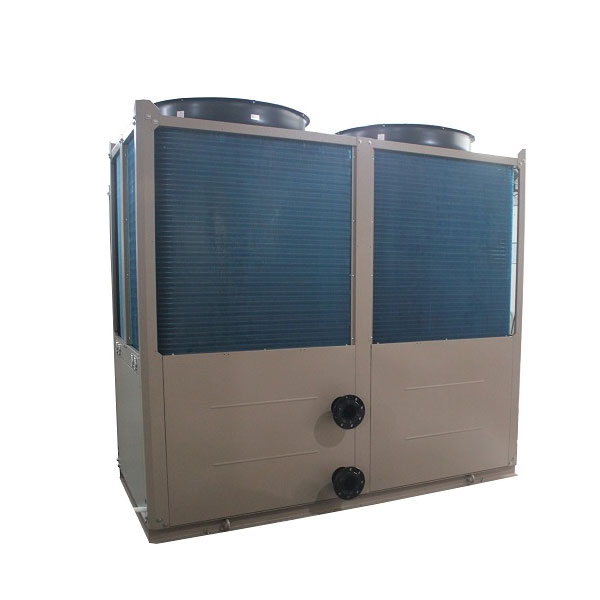
Why does your heat pump struggle to keep your home warm when the temperature drops below freezing? You're not alone. Many homeowners in cold climates experience reduced heating capacity, frequent defrost cycles, and skyrocketing electricity bills. But what if we told you that the latest advancements in heat pump technology can overcome these challenges? At FOSHAN SUOHER ELECTRICAL APPLIANCE CO., LTD, we specialize in manufacturing high-performance house heating heat pumps that deliver reliable warmth even in extreme conditions. In this article, we'll dive deep into the technical reasons behind winter performance issues and how our solutions can transform your heating experience.
Pain Point 1: Reduced Heating Capacity in Low Temperatures
When the outdoor temperature drops, the efficiency of a conventional heat pump declines. This is because the refrigerant's ability to absorb heat from the cold air diminishes. As a result, the system may struggle to maintain the desired indoor temperature, leading to discomfort and increased reliance on backup electric resistance heating, which is costly. For example, a typical air-source heat pump might lose up to 50% of its heating capacity at -15°C compared to 7°C. This forces homeowners to either endure cold rooms or pay significantly higher energy bills.
Pain Point 2: Frequent Defrost Cycles
In cold, humid conditions, frost accumulates on the outdoor coil, blocking airflow and reducing heat exchange. The heat pump must periodically reverse its cycle to melt the frost, which consumes energy and disrupts heating. In severe cases, defrost cycles can occur every 30-60 minutes, reducing overall efficiency by 10-20%. This not only increases operating costs but also causes temperature fluctuations indoors, making the living environment uncomfortable.
Pain Point 3: High Electricity Bills Due to Backup Heating
Many heat pumps rely on electric resistance heaters when the outdoor temperature drops below their design limit. These backup heaters are extremely inefficient, consuming 2-3 times more energy per unit of heat compared to the heat pump itself. In regions with cold winters, this can lead to monthly electricity bills that are 30-50% higher than expected, negating the energy-saving benefits of the heat pump.
Solution 1: Enhanced Vapor Injection (EVI) Compressor Technology
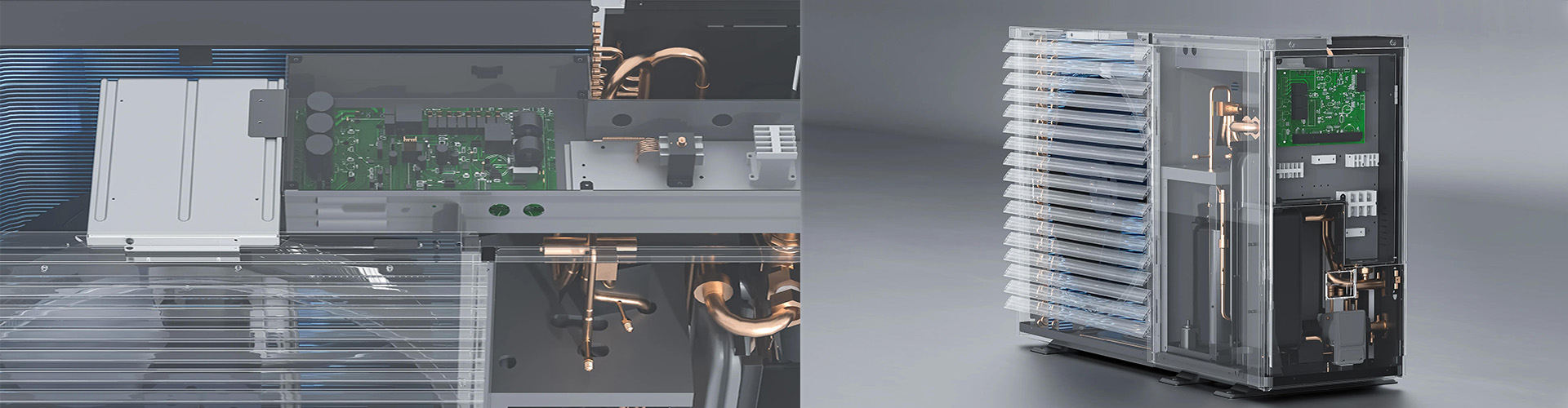
Our house heating heat pumps incorporate EVI compressors, which inject refrigerant vapor into the compression chamber to increase the temperature difference and improve efficiency at low ambient temperatures. This technology allows the heat pump to maintain 100% heating capacity down to -25°C, with a COP of 2.0 at -20°C. By using a two-stage compression cycle, EVI systems can deliver higher discharge temperatures without overworking the compressor, ensuring consistent warmth even in extreme cold.
Solution 2: Intelligent Defrost Control
We implement a demand-based defrost algorithm that monitors coil temperature, humidity, and airflow to initiate defrost cycles only when necessary. This reduces the frequency of defrosts by up to 60% compared to time-based controls. Additionally, our defrost cycle is optimized to complete in under 5 minutes, minimizing heat loss and maintaining stable indoor temperatures. The system also uses a reverse-cycle defrost with a bypass valve to prevent cold refrigerant from entering the indoor coil, further enhancing comfort.
Solution 3: Variable Speed Inverter Technology
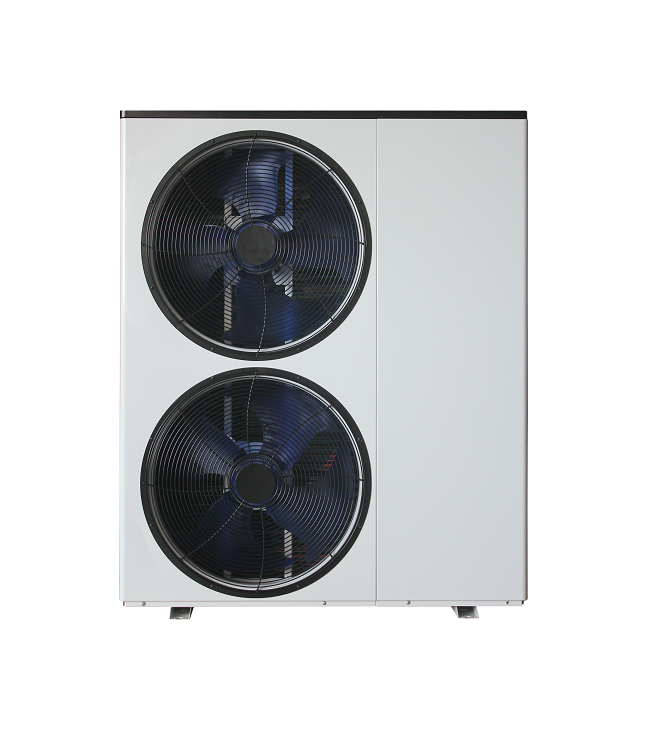
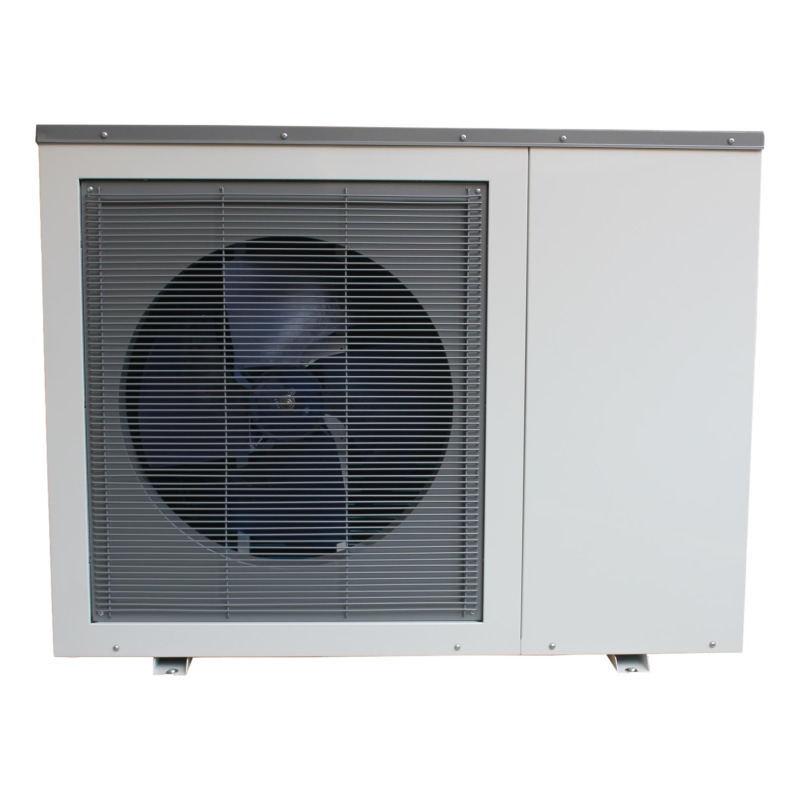
Our heat pumps feature variable speed compressors and fans that modulate output based on the heating demand. This eliminates the need for backup electric heaters in most climates, as the system can operate efficiently at partial loads. At low outdoor temperatures, the inverter technology allows the compressor to run at higher speeds to compensate for reduced heat absorption, while maintaining a high COP. This results in energy savings of up to 40% compared to fixed-speed systems.
Customer Case Studies
Case 1: Residential Home in Oslo, Norway
Homeowner: Lars Andersen
Challenge: His previous heat pump failed to maintain 22°C when temperatures dropped below -10°C, leading to high backup heating costs.
Solution: Installed a SUOHER 12kW EVI heat pump.
Result: Achieved 22°C indoor temperature at -20°C without backup heating. Electricity bill reduced by 35% compared to the previous winter.
Testimonial: "The SUOHER heat pump keeps our home warm even during the coldest days. We no longer worry about high bills."
Case 2: Commercial Office in Munich, Germany
Facility Manager: Klaus Weber
Challenge: The office building had high heating costs due to frequent defrost cycles and inefficient backup heaters.
Solution: Retrofitted with three SUOHER 20kW inverter heat pumps.
Result: Defrost cycles reduced by 70%. Annual heating cost savings of €8,000.
Testimonial: "The intelligent defrost control made a huge difference. Our energy manager is impressed with the performance."
Case 3: Industrial Warehouse in Calgary, Canada
Owner: Maple Leaf Logistics
Challenge: Needed to maintain 18°C in a 5000m² warehouse with high ceilings. Previous system could not keep up at -30°C.
Solution: Installed a SUOHER 50kW commercial heat pump with EVI.
Result: Maintained 18°C at -35°C. Energy consumption reduced by 45% compared to natural gas heating.
Testimonial: "SUOHER's heat pump outperformed our expectations. The technology is robust and reliable."
Case 4: Hotel in Sapporo, Japan
Owner: Hokkaido Hospitality Group
Challenge: Hotel required simultaneous heating and hot water for 60 rooms. Old system caused high operating costs.
Solution: Integrated SUOHER heat pump with hot water tank.
Result: Heating costs reduced by 30%. Hot water production increased by 20%.
Testimonial: "The heat pump provides consistent comfort for our guests while lowering our expenses."
Applications and Partnerships
Our house heating heat pumps are suitable for a wide range of applications, including residential homes, commercial buildings, hotels, schools, and industrial facilities. We have established partnerships with leading HVAC distributors in Europe, North America, and Asia, such as EcoHeat Solutions in Germany, Nordic Climate Control in Sweden, and GreenTech HVAC in the United States. These partners rely on SUOHER's technology to provide efficient heating solutions to their customers.
Frequently Asked Questions
Q1: What is the minimum outdoor temperature for your heat pump to operate without backup heating?
A: Our EVI models can operate down to -25°C without backup heating, maintaining 100% capacity. For lower temperatures, we recommend a hybrid system with a small backup heater.
Q2: How does the defrost cycle affect indoor comfort?
A: Our intelligent defrost control limits defrost duration to under 5 minutes, and the indoor fan continues to run to prevent cold drafts. The temperature drop during defrost is less than 1°C.
Q3: What is the expected lifespan of your heat pump?
A: With proper maintenance, our heat pumps have a lifespan of 15-20 years. The compressor and inverter components are designed for long-term reliability.
Q4: Can I integrate your heat pump with existing radiant floor heating?
A: Yes, our heat pumps are compatible with low-temperature hydronic systems. They can supply water at 35-50°C, ideal for radiant floors.
Q5: What certifications do your products have?
A: Our heat pumps are CE, RoHS, and ISO 9001 certified. They also meet the requirements of the EU Ecodesign Directive and have a seasonal COP (SCOP) rating of up to 4.5.
Conclusion
Winter heat pump struggles are a thing of the past with advanced technology from FOSHAN SUOHER ELECTRICAL APPLIANCE CO., LTD. Our EVI compressors, intelligent defrost, and inverter technology deliver reliable, efficient heating even in the harshest climates. Don't let your heat pump fail you this winter. Contact our sales engineers today to learn more about our products and request a free technical white paper on optimizing heat pump performance in cold climates. Visit our website or call us to schedule a consultation.