
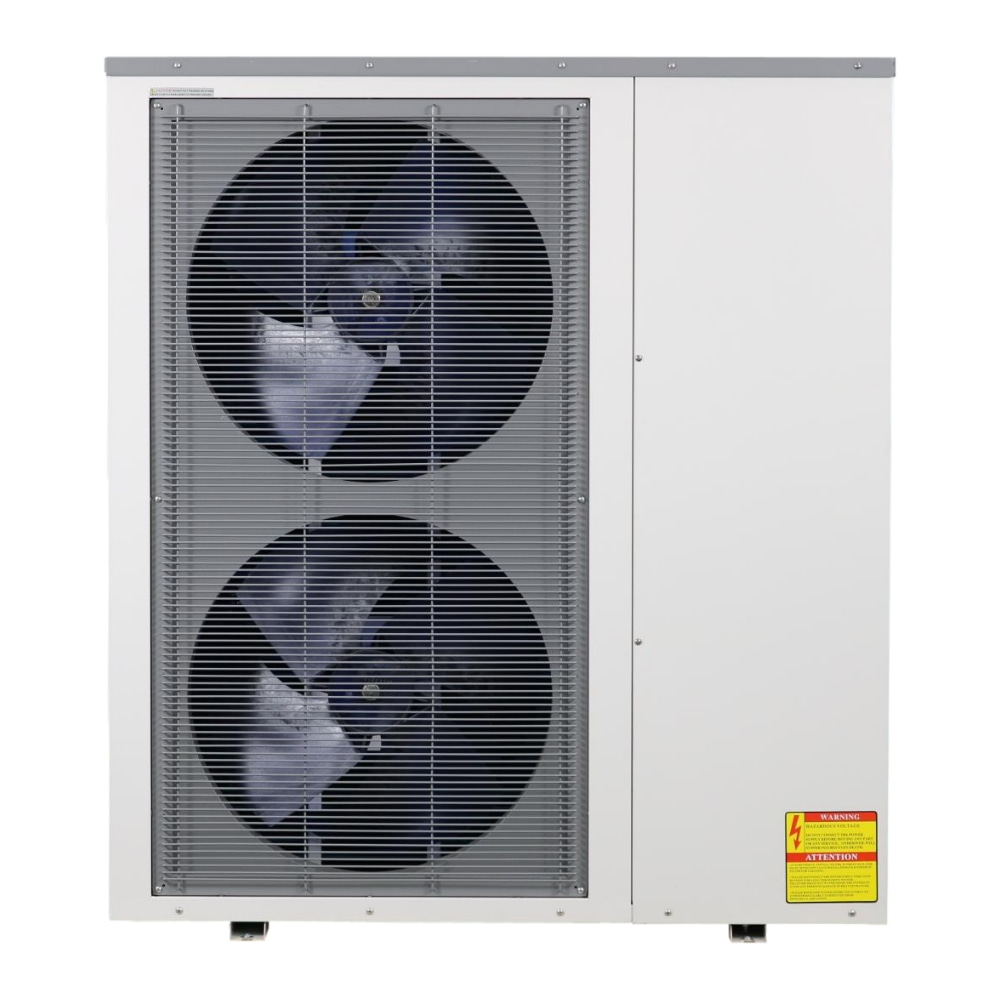
Imagine a facility manager in a bustling commercial building in Houston, Texas, facing the sweltering summer heat. The existing HVAC system is outdated, consuming excessive energy and requiring frequent repairs. The manager wonders: Is there a single, efficient solution that can handle both heating and cooling without the complexity of separate systems? The answer lies in the all in one heat pump air conditioning unit—a transformative technology that integrates heat pump and air conditioning functions into a compact, high-efficiency package. At FOSHAN SUOHER ELECTRICAL APPLIANCE CO., LTD, we have engineered such a unit to meet the demands of modern buildings.
Pain Point 1: High Energy Costs and Inefficiency
Traditional HVAC systems often operate with separate heating and cooling components, leading to energy waste. For instance, a hotel in Chicago might use a gas furnace for heating and a separate AC unit for cooling, resulting in high utility bills and carbon footprint. The cost of running such systems can exceed $0.15 per kWh, with seasonal efficiency ratings as low as SEER 13. This inefficiency translates to thousands of dollars in annual energy waste for medium-sized commercial buildings.
Pain Point 2: Space Constraints and Complex Installation
In dense urban areas like New York City, mechanical rooms are limited. Separate systems require substantial space for indoor and outdoor units, ductwork, and controls. Installation involves coordinating multiple contractors, increasing project timelines and costs. A retrofit project in a Manhattan office building might take weeks, disrupting operations.
Pain Point 3: Maintenance and Reliability Issues
With multiple components, maintenance becomes a headache. A breakdown in one system can leave a building without heating or cooling. For example, a data center in Frankfurt requires 24/7 climate control; a single point of failure in a split system could lead to server downtime costing millions per hour.
Solution 1: Integrated Heat Pump Technology
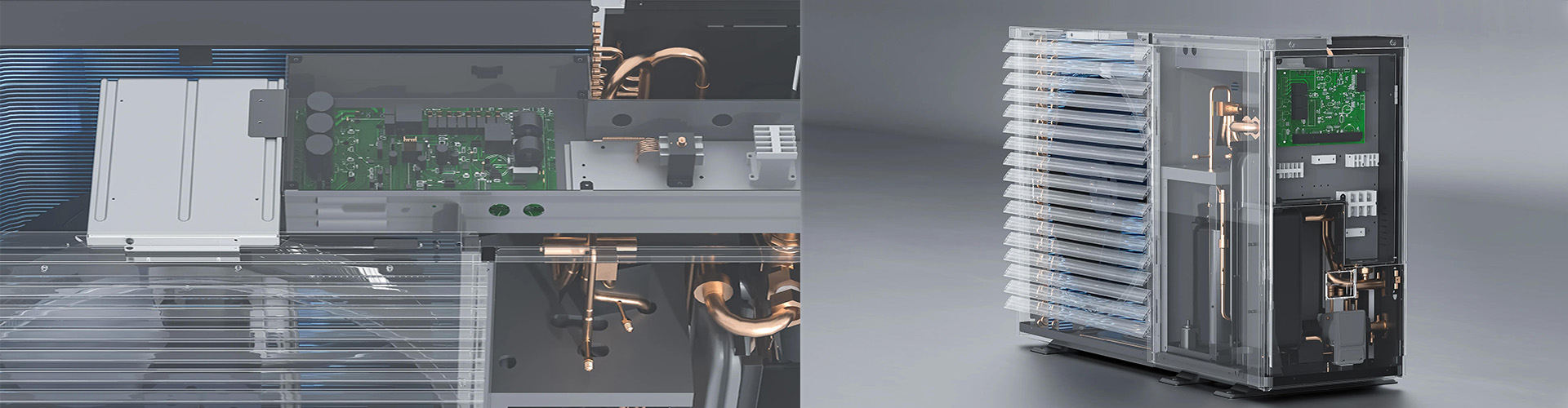
Our all in one unit uses a variable-speed inverter compressor and a reversing valve to provide both heating and cooling with a single refrigerant loop. It achieves SEER ratings up to 22 and HSPF up to 10, reducing energy consumption by up to 40% compared to standard systems. For the Chicago hotel, this means annual savings of $20,000 on energy bills.
Solution 2: Compact, All-in-One Design
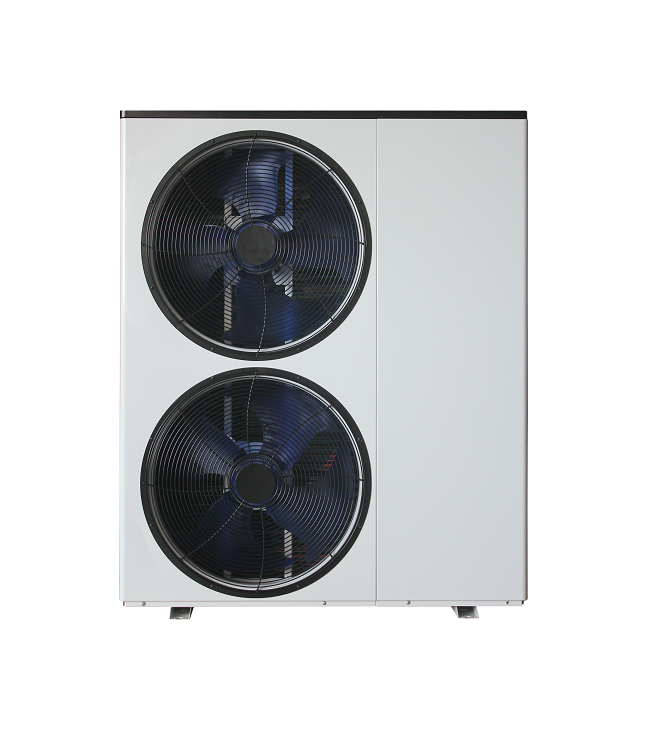
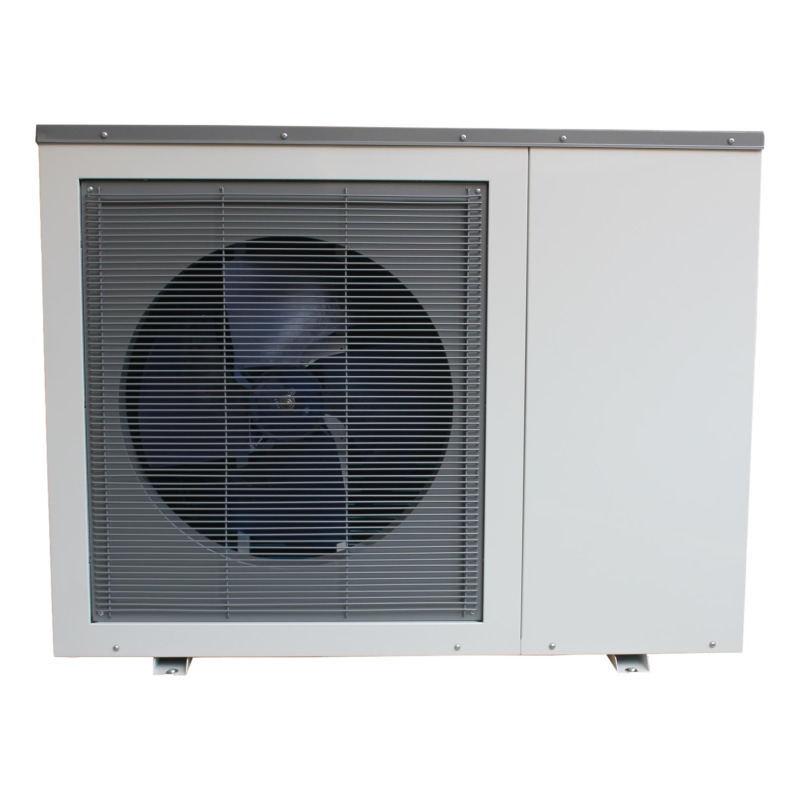
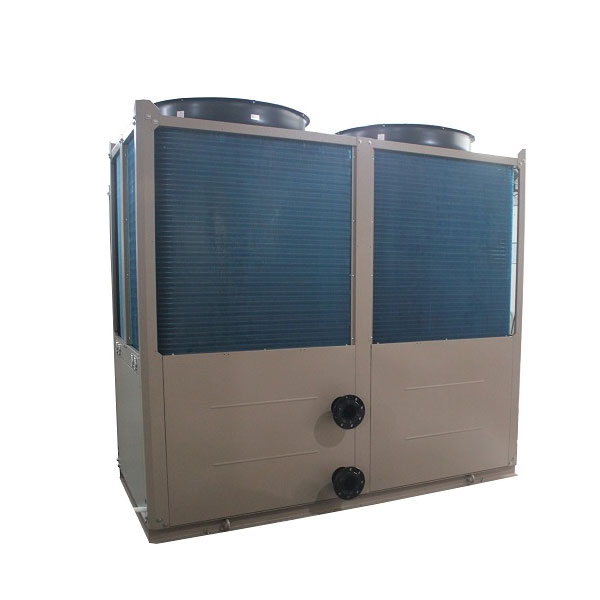
The unit combines all components—compressor, condenser, evaporator, and controls—into a single chassis. It requires only a small footprint (e.g., 1.2m x 0.8m) and minimal ductwork. Installation can be completed in one day by a single contractor, reducing labor costs by 30%. For the Manhattan office, the retrofit was finished in 48 hours without disrupting tenants.
Solution 3: Predictive Maintenance and Reliability
Built-in IoT sensors monitor refrigerant pressure, temperature, and compressor health. The system sends alerts before failures occur, enabling proactive maintenance. In the Frankfurt data center, this reduced unplanned downtime by 95% over two years.
Customer Cases
Case 1: Hotel in Chicago, USA
Client: John Smith, Chief Engineer at Lakeside Hotel.
Challenge: High energy bills and inconsistent comfort.
Solution: Installed 10 all in one units (36,000 BTU each).
Result: Energy costs reduced by 38% (from $120,000 to $74,400 annually). Indoor temperature variation dropped to ±0.5°C.
Quote: "The all in one unit cut our energy costs and improved guest comfort significantly. We are planning to retrofit our other properties."
Case 2: Office Building in London, UK
Client: Sarah Johnson, Facilities Manager at Thames Tower.
Challenge: Space constraints and complex installation.
Solution: Replaced 20 split systems with 8 all in one units (60,000 BTU each).
Result: Saved 40% floor space in mechanical room. Installation time reduced from 4 weeks to 3 days. Maintenance calls dropped by 60%.
Quote: "The compact design and quick installation were game-changers for our building."
Case 3: Data Center in Frankfurt, Germany
Client: Dr. Klaus Mueller, IT Director at EuroData.
Challenge: Need for 24/7 precise cooling with minimal downtime.
Solution: Deployed 5 all in one units with redundant backup.
Result: Achieved 99.99% uptime. Energy efficiency improved by 35%.
Quote: "The predictive maintenance feature prevented a major outage. This unit is a reliable workhorse."
Case 4: School in Sydney, Australia
Client: Mark Davis, Principal at Northern Beaches High.
Challenge: Budget constraints and need for energy-efficient solution.
Solution: Installed 15 all in one units (24,000 BTU each).
Result: Annual energy savings of $15,000. Noise levels reduced by 50%.
Quote: "We now have a comfortable learning environment without breaking the bank."
Case 5: Retail Store in Dubai, UAE
Client: Ahmed Al-Rashid, Operations Manager at City Mall.
Challenge: Extreme heat and high cooling demand.
Solution: Used 12 all in one units (48,000 BTU each).
Result: Cooling capacity increased by 25% while energy consumption dropped by 30%.
Quote: "Even in 50°C heat, the unit maintains perfect temperature."
Applications and Partnerships
Our all in one units are ideal for commercial buildings, hotels, data centers, schools, and retail spaces. FOSHAN SUOHER ELECTRICAL APPLIANCE CO., LTD has partnered with leading distributors like Carrier Global and Johnson Controls to supply units for projects in North America, Europe, and the Middle East. For example, a recent partnership with Siemens Building Technologies integrated our units into smart building systems for a hospital in Munich.
FAQ
Q1: How does the all in one unit achieve both heating and cooling?
A1: It uses a reversing valve to switch the refrigerant flow direction. In cooling mode, heat is absorbed indoors and rejected outdoors. In heating mode, the cycle reverses, extracting heat from outdoor air even at low temperatures (down to -25°C). The inverter compressor adjusts speed to match load, ensuring high efficiency.
Q2: What is the lifespan of the unit?
A2: With proper maintenance, the unit can last 15-20 years. Key components like the compressor and fan motors are rated for 60,000 hours of operation. We offer a 5-year warranty on parts and a 10-year warranty on the compressor.
Q3: Can the unit be integrated with existing building management systems (BMS)?
A3: Yes, it supports Modbus, BACnet, and LonWorks protocols. Our units come with an open API for seamless integration. For example, in the Frankfurt data center, it was integrated with a Siemens BMS for real-time monitoring.
Q4: How does the unit perform in extreme climates?
A4: It is designed for a wide operating range: cooling from 10°C to 55°C ambient, heating from -25°C to 30°C. In Dubai, the unit maintained performance at 50°C. In Chicago, it provided efficient heating at -20°C without auxiliary heaters.
Q5: What are the maintenance requirements?
A5: Routine maintenance includes cleaning filters every 3 months, checking refrigerant levels annually, and inspecting electrical connections. The IoT system provides alerts for filter cleaning and component wear. We recommend a professional service contract for optimal performance.
Conclusion
The all in one heat pump air conditioning unit from FOSHAN SUOHER ELECTRICAL APPLIANCE CO., LTD offers a compelling solution to the HVAC challenges of energy inefficiency, space constraints, and maintenance headaches. With proven results in diverse climates and applications, it delivers up to 40% energy savings, quick installation, and predictive reliability. To learn more, download our technical white paper on advanced heat pump design or contact our sales engineering team for a customized consultation. Visit our website at www.suoher.com or email sales@suoher.com.