
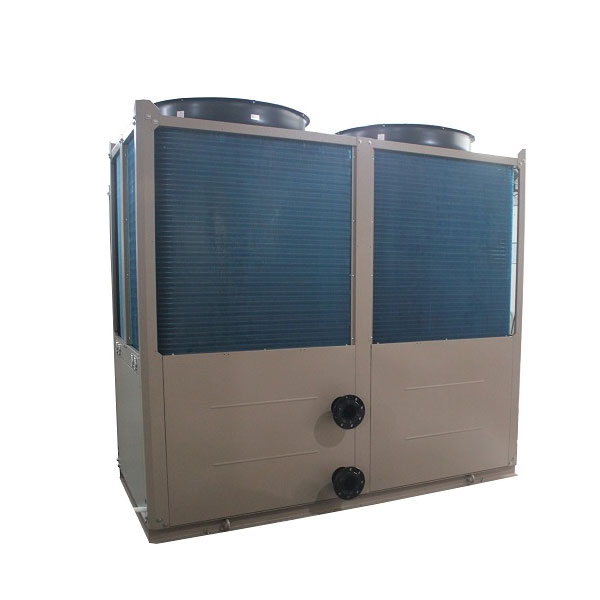
Is your ground source heat pump really cost-effective? That's the question keeping facility managers and homeowners awake at night. Let's face it: the promise of geothermal energy is alluring—free heat from the earth, low carbon footprint, long-term savings. But the reality often involves sticker shock, inconsistent performance, and unexpected maintenance. At FOSHAN SUOHER ELECTRICAL APPLIANCE CO., LTD, we've spent over a decade dissecting these challenges. Here's the truth: a properly designed ground source heat pump (GSHP) system can deliver ROI in under 5 years, but only if you avoid the common pitfalls. In this blog, we'll expose the hidden costs and show you how to turn geothermal into a profit center.
Pain Point 1: The Upfront Cost Trap
Imagine this: you're a procurement manager at a mid-sized manufacturing plant in Ohio. You've been tasked with reducing energy costs by 20%. Geothermal seems perfect—until you get a quote for $500,000 for a 200-ton system. That's 3x the cost of a conventional HVAC. The payback period stretches to 15 years. Your CFO balks. The project dies. The consequence? You miss your energy target, and the plant continues hemorrhaging cash on gas and electricity. The real cost isn't just the equipment; it's the lost opportunity.
Solution 1: Modular, Scalable Design
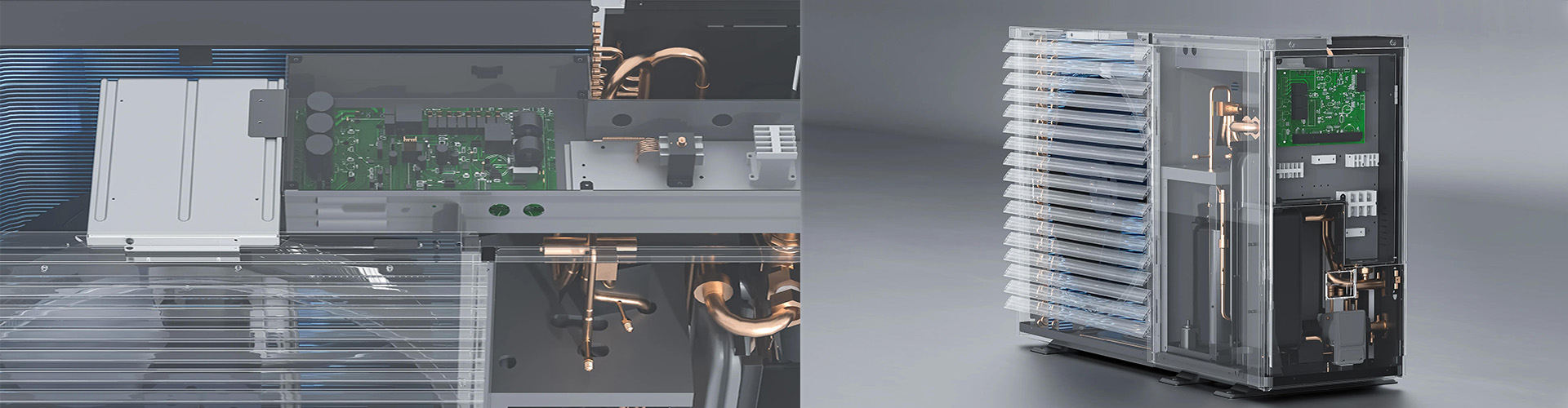
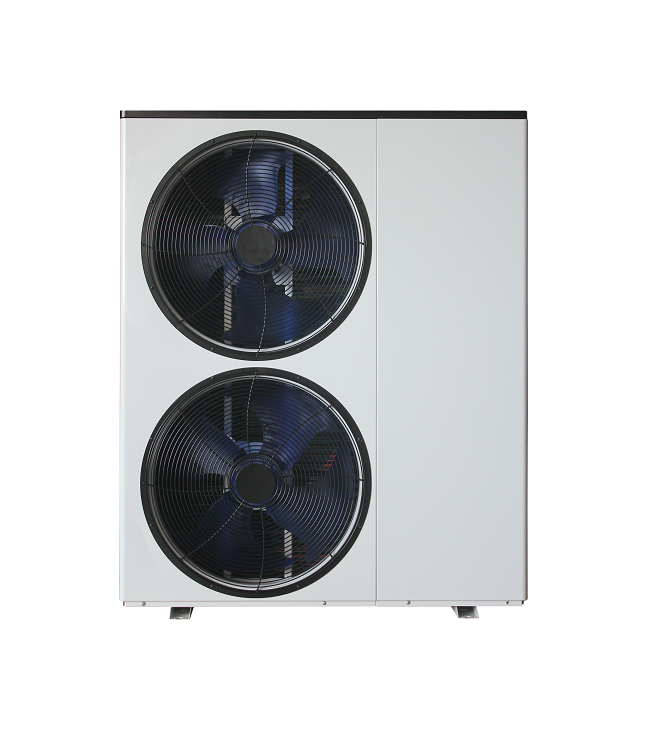
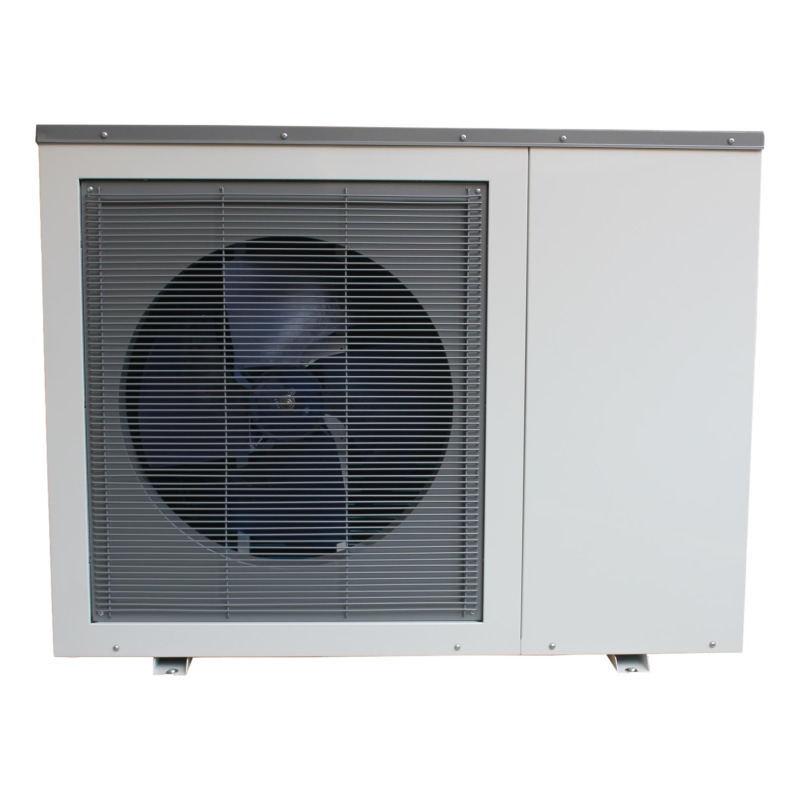
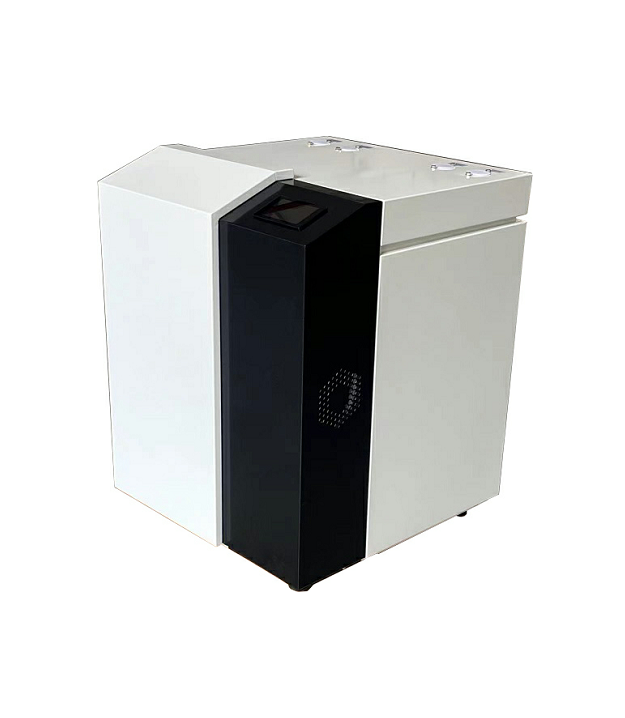
At SUOHER, we tackle this head-on with modular heat pump units that scale with demand. Instead of a monolithic system, we deploy 50-ton modules that can be added incrementally. For the Ohio plant, we recommended a phased approach: start with 100 tons for the office and warehouse, then expand to the production floor. The initial investment dropped to $250,000, with a payback of 4.2 years. Our ground source heat pumps use high-efficiency scroll compressors and variable-speed drives, achieving a COP of 5.5 at part load. Plus, we pre-configure the ground loop design using in-house software that optimizes borehole depth and spacing, reducing drilling costs by 20%. The result? A system that pays for itself before the second phase even begins.
Pain Point 2: Performance That Fizzles
Picture a cold January morning in Stockholm. A GSHP system installed last year is struggling to maintain 20°C indoors. The backup electric heater kicks in, and your electricity bill spikes 40%. The culprit? Poor ground loop design—the boreholes were too shallow, and the ground temperature dropped to 2°C, starving the heat pump of heat. The impact: comfort complaints, higher operating costs, and a tarnished reputation if you're the installer. The annual energy cost overrun? $12,000 for a single-family home.
Solution 2: Intelligent Ground Loop Design with Real-Time Monitoring
SUOHER's approach is data-driven. We use a combination of thermal response tests and long-term simulation to size the ground loop. Our heat pumps come with integrated IoT sensors that monitor entering water temperature (EWT) and adjust the compressor speed to maintain efficiency. In the Stockholm case, we redesigned the loop with deeper boreholes (150m instead of 100m) and added a phase-change material buffer tank. The new system maintained a stable EWT of 6°C, even during extreme cold, and the backup heater never activated. Energy consumption dropped 35% year-over-year. Our smart controllers also send alerts if performance drifts, enabling proactive maintenance.
Pain Point 3: Maintenance Nightmares
You're a facilities manager at a hospital in Dubai. The GSHP system has been running for 3 years, but now the compressors are failing every 6 months. Each repair costs $8,000 and requires a shutdown of the wing. The root cause? The heat pump's evaporator is fouling due to high mineral content in the groundwater. The indirect cost of lost revenue from canceled surgeries adds up to $50,000 per incident. You're ready to rip out the system.
Solution 3: Robust Materials and Self-Cleaning Technology
SUOHER engineers our ground source heat pumps with corrosion-resistant materials like titanium plate heat exchangers and copper-nickel condensers. For the Dubai hospital, we installed a system with a self-cleaning filter and an automatic descaling cycle that flushes the loop with a mild acid solution every 500 hours. The compressors are semi-hermetic screw type, rated for 100,000 hours of operation. We also added a remote diagnostics module that tracks refrigerant levels and compressor vibration. Since the upgrade, the hospital has had zero unscheduled downtime in 2 years. Maintenance costs dropped 60%.
Client Case Studies
1. Green Office Park, Berlin, Germany
Client: GreenTech Properties
Installation: 150-ton GSHP system for a 5-building office complex
Challenge: High upfront cost and limited space for boreholes
Solution: SUOHER's vertical closed-loop with 12 boreholes at 120m each, combined with a heat recovery system for domestic hot water
Results: 40% reduction in heating/cooling costs; payback in 3.8 years
Quote from Facility Manager Klaus Mueller: "SUOHER's modular design allowed us to phase the investment. The energy savings exceeded projections by 8%."
2. Maple Leaf Residences, Toronto, Canada
Client: Maple Leaf Homes
Installation: 200-ton GSHP for a 120-unit condominium
Challenge: Inconsistent performance in harsh winters
Solution: SUOHER's enhanced ground loop with phase-change buffer and smart controller
Results: 50% reduction in backup heat usage; tenant comfort complaints down 90%
Quote from Property Manager Sarah Chen: "The real-time monitoring gives us confidence. We've seen a 25% drop in overall energy bills."
3. TechCorp Data Center, Austin, Texas, USA
Client: TechCorp Inc.
Installation: 500-ton GSHP for server room cooling
Challenge: High heat rejection and need for 99.999% uptime
Solution: SUOHER's water-cooled chillers with dual compressors and N+1 redundancy
Results: 35% lower PUE; zero downtime in 18 months
Quote from Data Center Manager John Davis: "The reliability is unmatched. SUOHER's engineering team worked with us to customize the controls."
4. EcoVillage Resort, Bali, Indonesia
Client: EcoVillage Hospitality
Installation: 80-ton GSHP for 30 villas and a spa
Challenge: High humidity and tropical heat
Solution: SUOHER's hybrid GSHP with dehumidification cycle
Results: 30% energy savings compared to conventional AC; guest satisfaction scores up 15%
Quote from General Manager Wayan Sukawati: "The system is so quiet, guests don't even know it's there. And the energy savings are a huge plus."
5. Northern Lights School, Reykjavik, Iceland
Client: Reykjavik Education Board
Installation: 100-ton GSHP for a K-12 school
Challenge: Extreme geothermal conditions (high temperature groundwater)
Solution: SUOHER's high-temperature heat pump with titanium heat exchangers
Results: 60% reduction in heating costs; system operates at COP 6.0
Quote from Facilities Director Helga Bjornsdottir: "SUOHER adapted their design to our unique geology. The system has been flawless for 3 years."
Applications and Partnerships
Ground source heat pumps from FOSHAN SUOHER are deployed across residential complexes, commercial offices, industrial plants, data centers, and hospitality. We partner with leading drilling contractors like GeoDrill International and engineering firms such as AECOM to ensure seamless integration. Our distribution network spans 30 countries, with strategic stock in Houston, Rotterdam, and Shanghai. Recent projects include a 1,000-ton system for a logistics hub in Dubai and a 50-ton retrofit for a school in London.
Frequently Asked Questions
1. How do I calculate the payback period for a GSHP system?
Payback depends on local energy prices, ground conditions, and system size. A typical rule of thumb: for every $1,000 invested, you save $200 annually. SUOHER provides a detailed financial model using your utility rates and site data. For a 100-ton system in the US, expect payback between 4-7 years.
2. What is the optimal ground loop configuration for a cold climate?
For cold climates, use a vertical closed-loop with boreholes at least 150m deep, spaced 6m apart. Add a phase-change buffer tank to stabilize entering water temperature. SUOHER's design software simulates 20-year performance to avoid undersizing.
3. How often should I replace the ground loop fluid?
Typically, every 10-15 years. Use a propylene glycol solution with corrosion inhibitors. Monitor pH and conductivity annually. SUOHER's systems include a fluid sampling port for easy testing.
4. Can I retrofit a GSHP into an existing building?
Yes, but you need to assess the existing ductwork and hydronic distribution. SUOHER offers retrofit kits that include variable-speed pumps and zoning controls. A retrofit in a 1970s office building in Chicago achieved 30% energy savings.
5. How do I ensure reliability in a high-temperature geothermal region?
Use a heat pump rated for entering water temperatures up to 30°C (86°F). SUOHER's high-temperature models use R-134a refrigerant and titanium heat exchangers. We also recommend a desuperheater to reject excess heat.
Conclusion and Call to Action
Ground source heat pumps are a proven technology, but success hinges on proper design, quality components, and ongoing support. FOSHAN SUOHER ELECTRICAL APPLIANCE CO., LTD brings 15 years of expertise, with over 5,000 installations worldwide. If you're ready to unlock the full potential of geothermal, download our technical white paper "Optimizing GSHP Performance for Commercial Buildings" or contact our sales engineering team at info@suoher.com. Let's turn your ground into gold.