
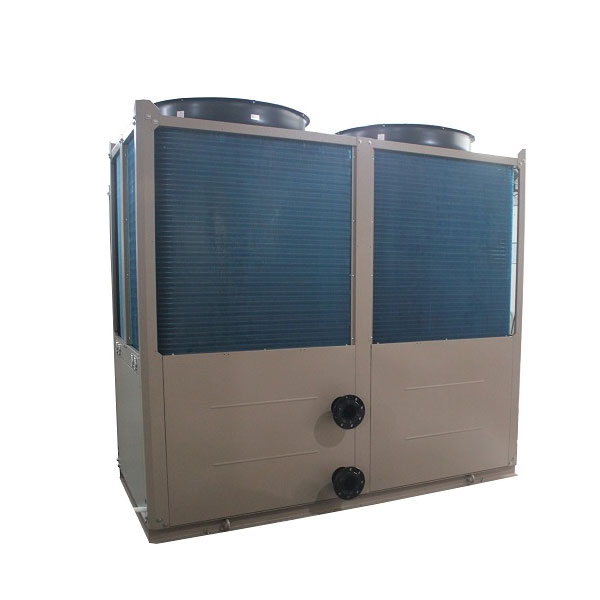
Introduction
In recent months, several high-profile demonstrations have shown heat pumps operating at -30°C or even -35°C. These are impressive engineering achievements.
But here is a question for most European buyers: Do you actually need that?
The reality is that the vast majority of European residential and commercial projects never experience temperatures below -25°C. And even when they do, it is for only a few days per year.
This article explains why -25°C remains the most practical, cost-effective, and reliable standard for heat pump specifications across most of Europe — and how to make the right choice for your project.
The Reality of European Winter Temperatures
What Do Design Temperatures Actually Look Like?
Heating systems are designed around "outdoor design temperatures" — the lowest temperature expected in a given location, typically based on historical weather data.
Here are the design temperatures for major European cities:
| City | Winter Design Temperature (99.6%) |
| London, UK | Approx. -4°C |
| Paris, France | Approx. -7°C |
| Berlin, Germany | Approx. -12°C |
| Warsaw, Poland | Approx. -18°C |
| Stockholm, Sweden | Approx. -15°C |
| Helsinki, Finland | Approx. -22°C |
These are the temperatures that occur regularly, year after year. Extreme cold snaps — such as -25°C or lower — are rare events in most populated areas of Europe.
A 2024 study published in Energies journal on external design temperatures for Central Europe confirms that design temperatures below -20°C are limited to specific regions, primarily mountainous areas and far northern latitudes.
For the majority of European projects — from the UK to Germany, from France to Poland — a heat pump that operates reliably at -25°C already provides more than sufficient safety margin.
The Practical Choice: Why -25°C Makes Sense
Coverage Rate
A heat pump rated for -25°C operation can handle the heating needs of over 95% of European residential projects.
The only exceptions are:
· High-altitude mountain regions (Alps, Carpathians)
· Far northern Scandinavia (above the Arctic Circle)
· Remote inland areas with extreme continental climates
Cost vs. Benefit
Pushing the operating limit from -25°C to -35°C comes with significant costs:
| Factor | -25°C Unit | -35°C Unit |
| Compressor type | Standard EVI | Heavy-duty EVI + reinforced components |
| System complexity | Mature, proven | Newer, less field data |
| Cost premium | Baseline | 19.7 |
| Installation requirements | Standard | Additional safety margins |
For the few days per year when temperatures dip below -25°C, it is almost always more economical to rely on a small backup heating element than to pay a 20-30% premium for extreme cold hardware.

The Technology Behind -25°C Operation: EVI
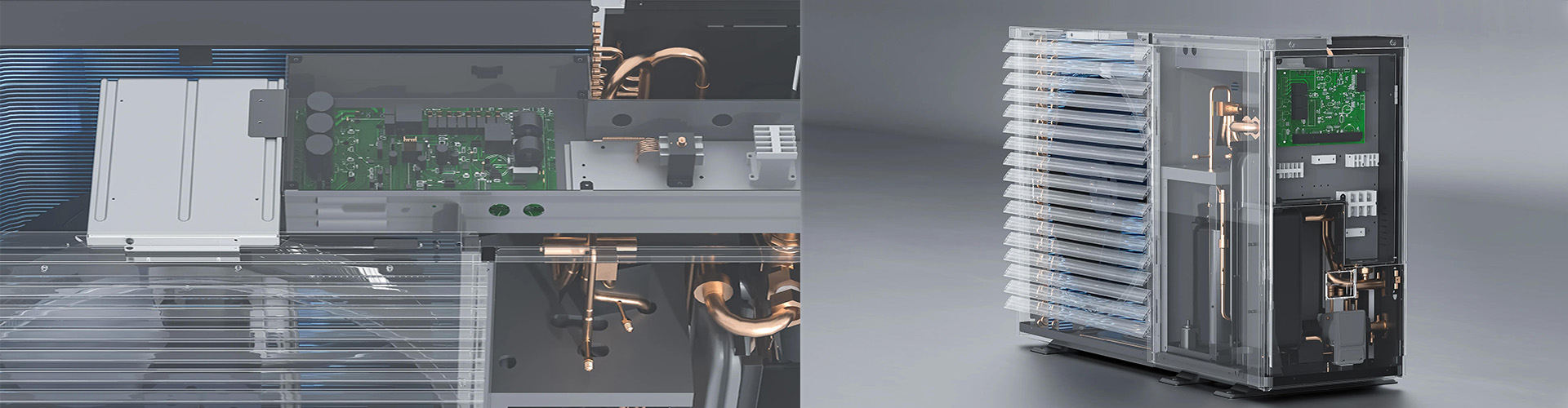
Modern heat pumps that operate at -25°C typically use Enhanced Vapor Injection (EVI) technology.
According to research published in the International Journal of Refrigeration, EVI systems provide measurable performance improvements at low ambient temperatures. Additional studies have shown that at lower temperatures, EVI can improve heating capacity by 9.8–24.1% and COP by 0.7–21.6% compared to non-injection systems.
What EVI does:
· Increases heating capacity at low ambient temperatures
· Lowers compressor discharge temperature (reducing wear)
· Maintains stable operation without frequent defrost cycles
A study on R32 heat pumps with EVI found that the system COP achieves maximum values at optimized injection pressures, and discharge temperature drops significantly — by up to 11°C under certain conditions.
Research on low-GWP refrigerants in EVI systems further confirms that this technology effectively solves the problem of high compression ratios and widens the application of air source heat pumps in low-temperature regions.
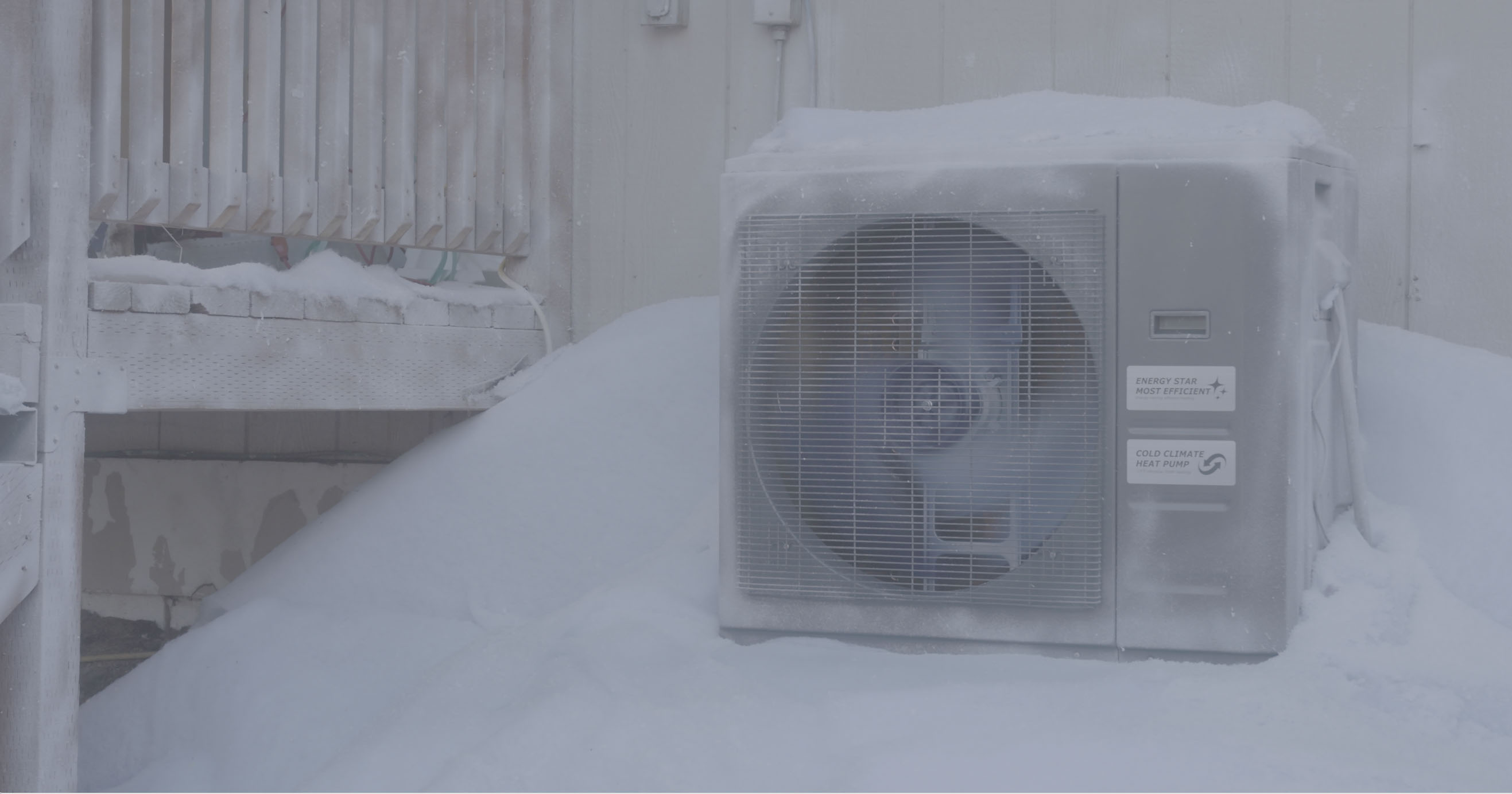
Certifications and Quality Assurance
For European buyers, certifications matter as much as performance specifications.
Products intended for the European market should carry:
| Certification | What It Means |
| CE Marking | Compliance with EU health, safety, and environmental requirements |
| ERP (Energy-related Products Directive) | Compliance with EU energy efficiency and eco-design standards |
| ISO9001 | Certified quality management system in manufacturing |
These certifications provide assurance that the product has been tested, documented, and verified against recognized standards.
Conclusion
The recent headlines about -35°C heat pumps are exciting. They show what is technically possible.
But for most European buyers — whether in Germany, France, Poland, or the UK — -25°C remains the most practical, cost-effective, and reliable standard.
The bottom line: Do not pay for extreme cold capability you will never use. Focus on proven reliability, proper certification (CE, ERP, ISO9001), and real-world performance data at the temperatures your project will actually experience.
For the vast majority of European installations, a heat pump designed for reliable operation down to -25°C is not a compromise. It is the right choice.