FOSHAN SUOHER ELECTRICAL APPLIANCE CO., LTD
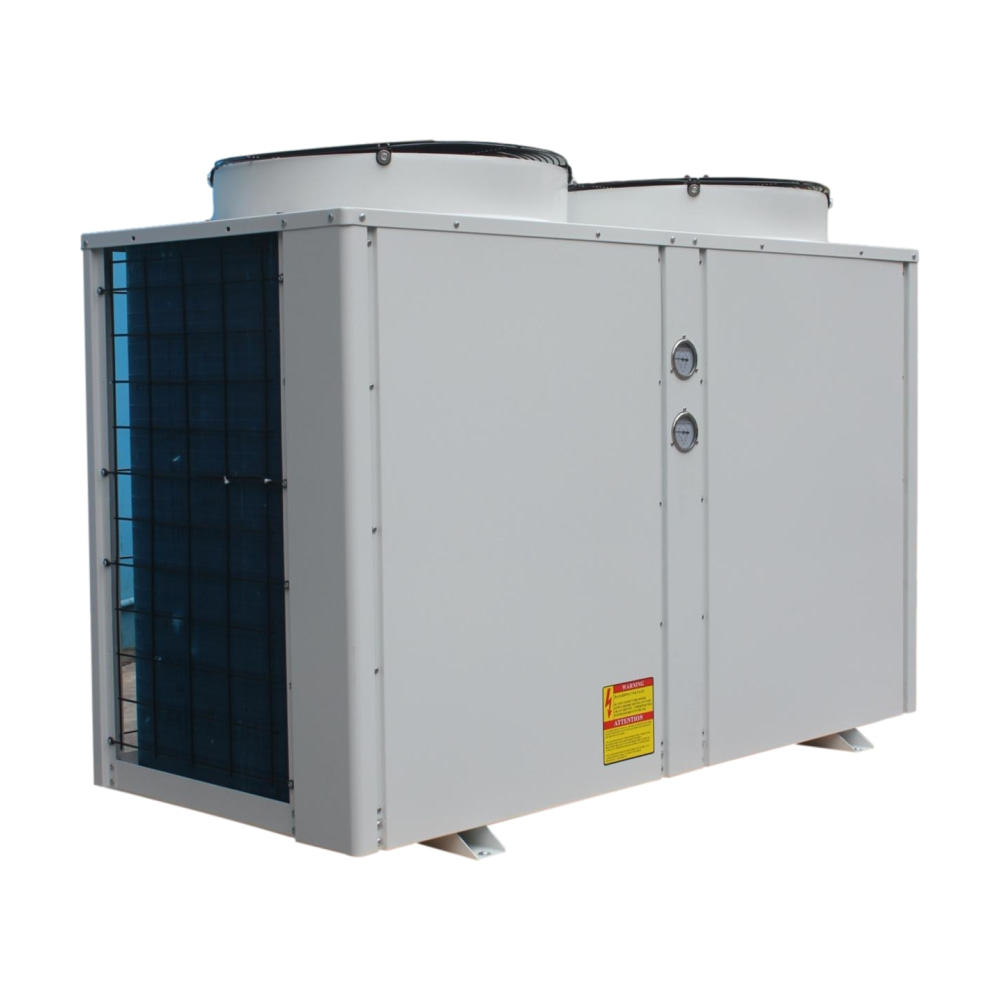
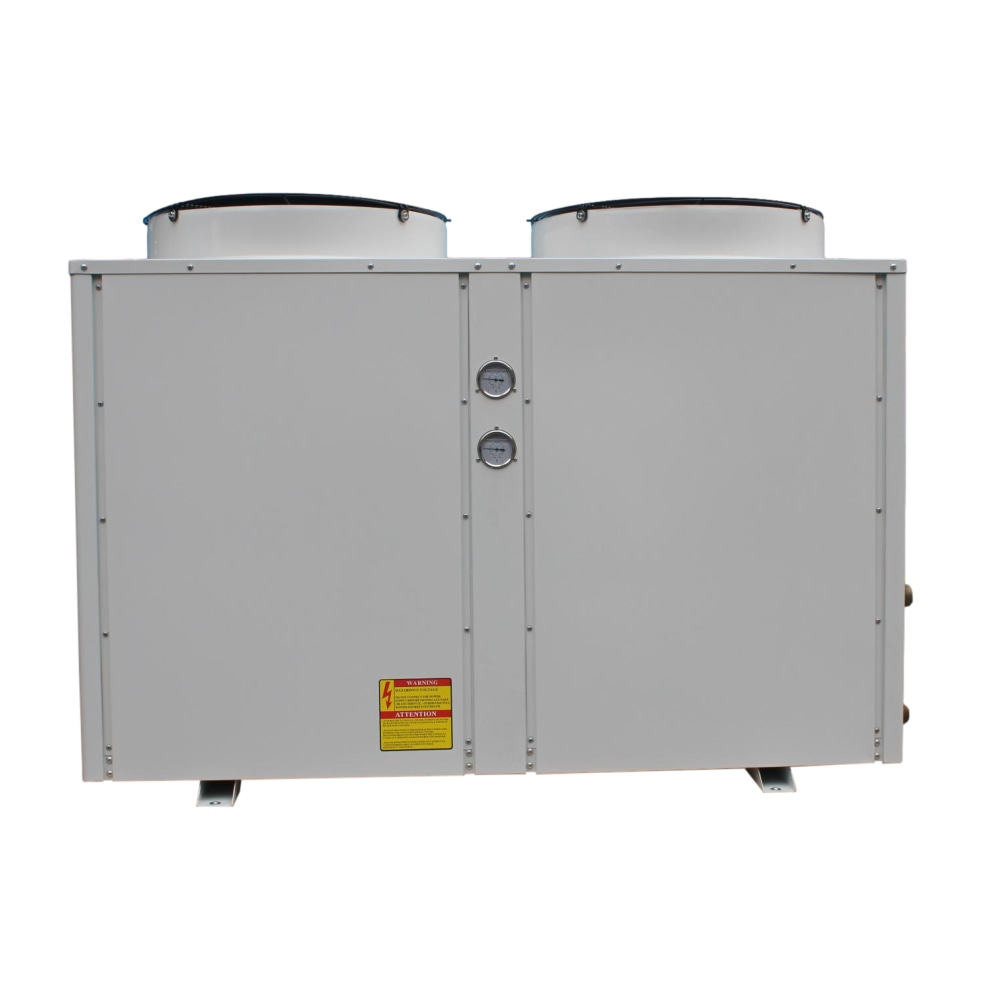
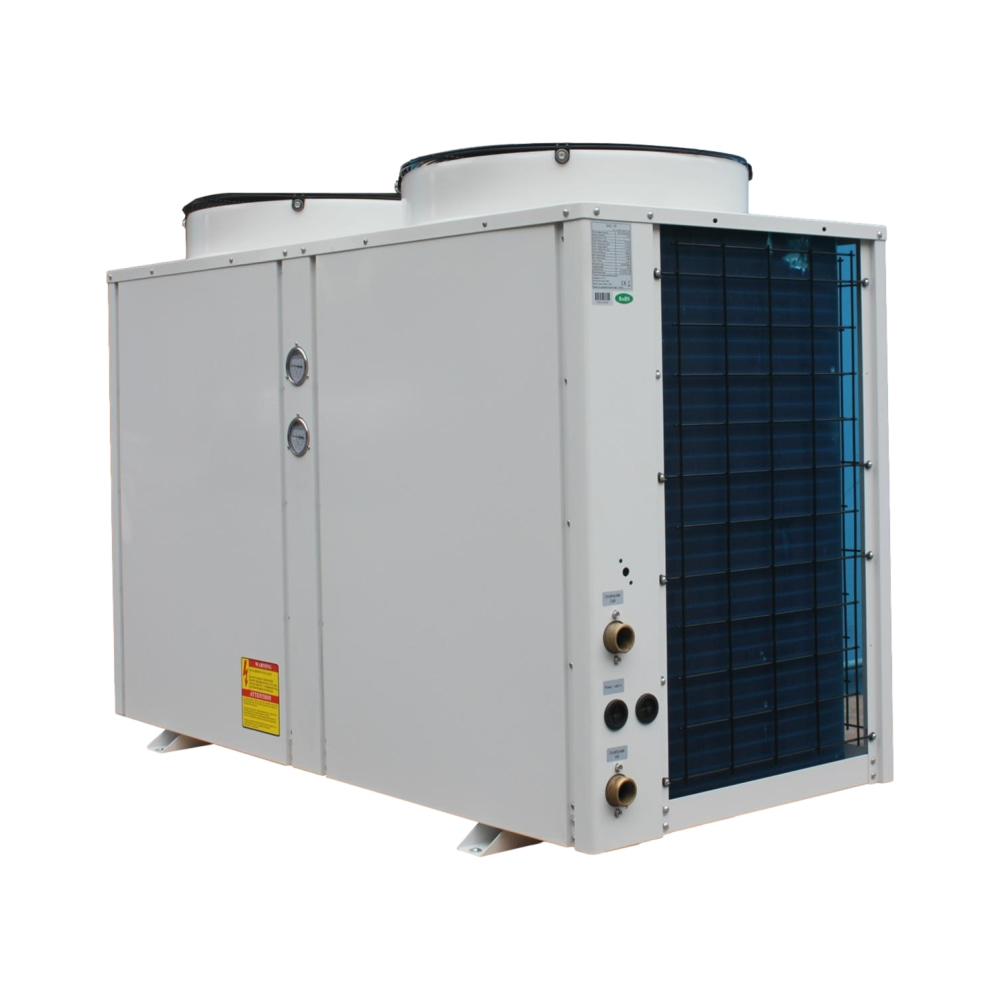
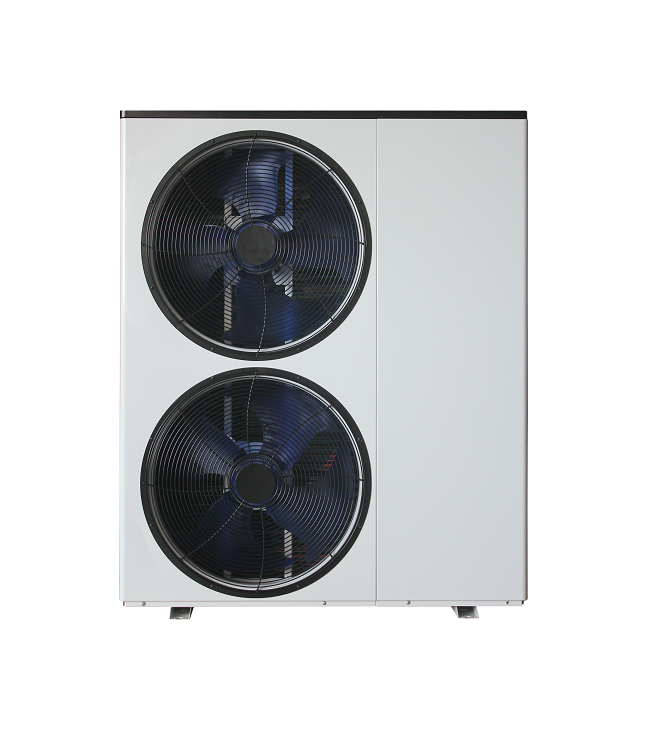
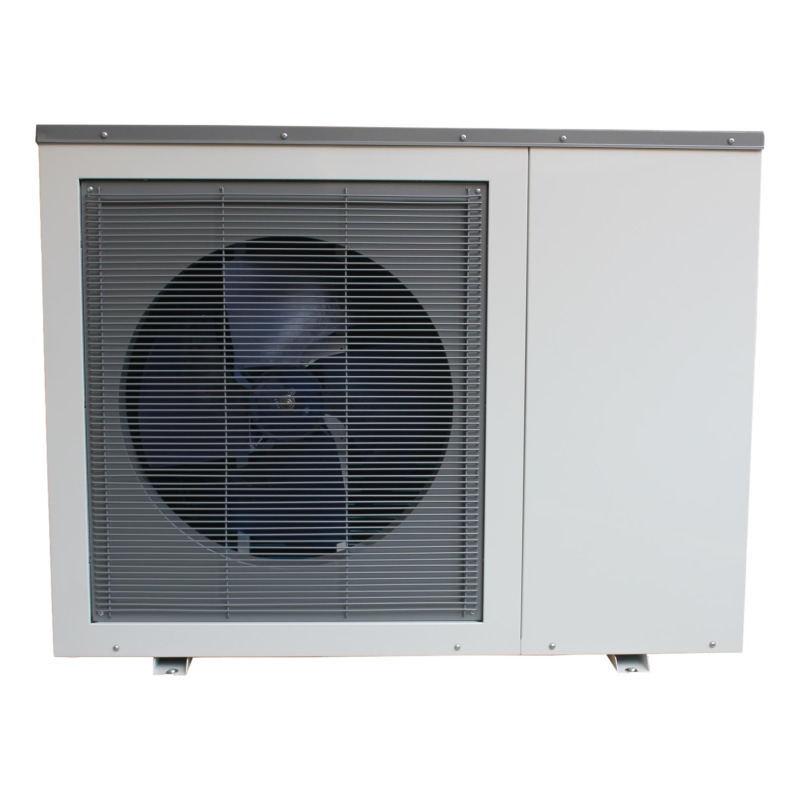
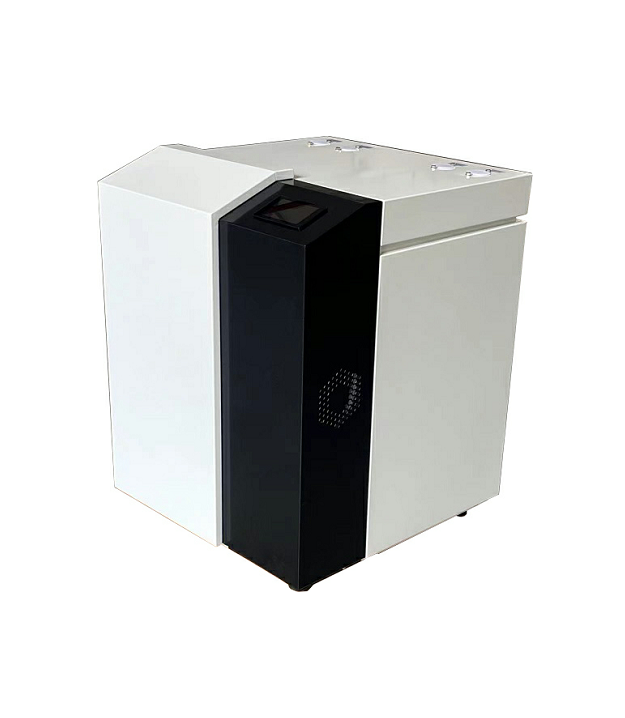
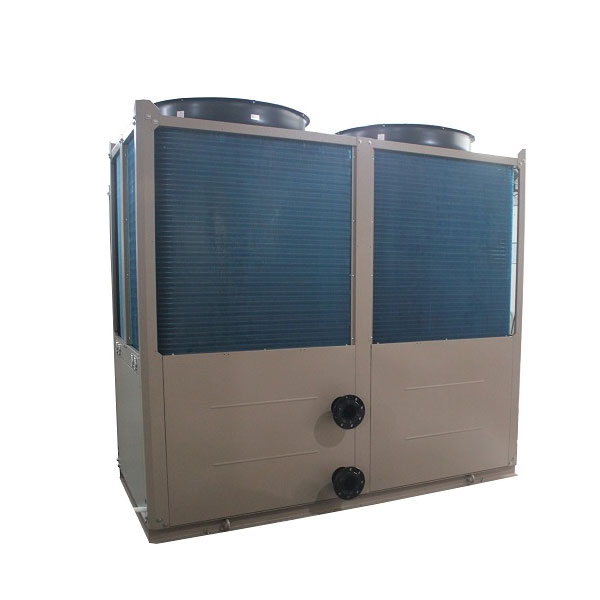
EVI Low Temperature Air Source Heat Pump (34kW)

The EVI Heat Pump Low-Temperature Air Source Heat Pump (Jet-Incremental Heat Pump) is an energy-efficient heating system specifically engineered for cold climates, with core requirements encompassing technical performance, installation specifications, and environmental adaptability. Comprehensive analysis of specific requirements primarily focuses on technical performance parameters and coefficient of performance (COP). Under winter design conditions, the COP for both cooling and heating units must be ≥1.8, while the COP for cooling and heating water units must be ≥2.0. Units utilizing EVI technology must maintain a COP ≥1.6 in low-temperature environments (e.g., -25°C) without requiring electric auxiliary heating. Selected high-end models (e.g., German Seichuan Electric) achieve COP values up to 5.0 through optimized technology. In certain operating conditions, the heating coefficient of performance (COP) must be ≥2.10, with the integrated partial performance coefficient IPLV(H) ≥2.4. Low-temperature adaptability: The unit must deliver heating water temperatures ≥50°C at-20°C without requiring electric auxiliary heating startup at-25°C. Reliable defrost control must be equipped, with defrosting duration not exceeding 20% of the operational cycle.
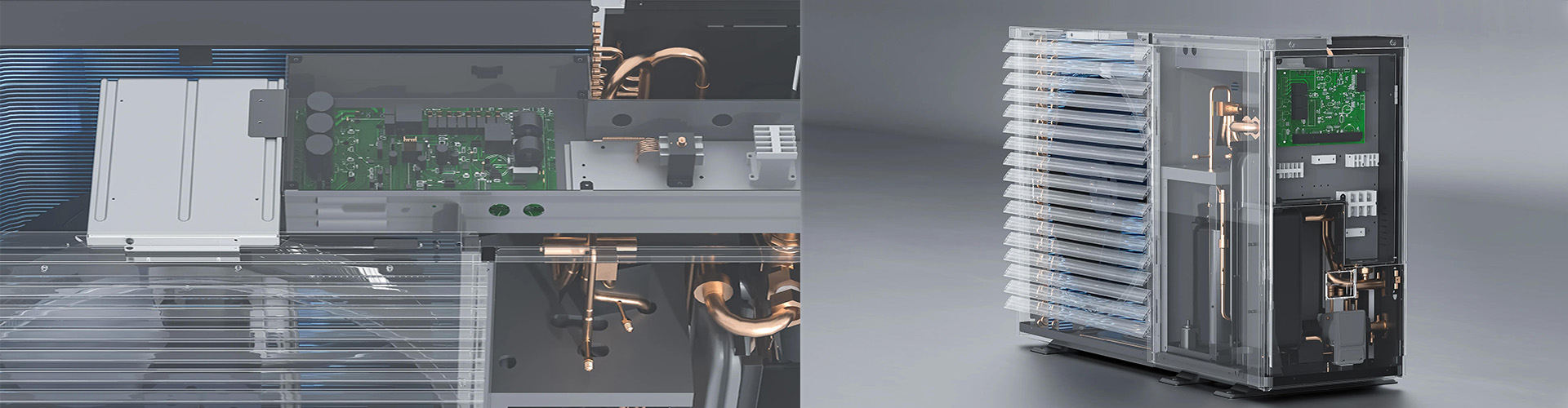
Low-Temperature Air Source Heat Pump Components and Materials. Air-source heat pump chiller voltage operation capability features multiple freeze protection mechanisms. Intelligent water temperature control technology. Energy-saving installation and operation requirements: Installation specifications: Base height should be>300mm, with additional height required in snow-accumulating areas. Inlet airflow velocity should be controlled at 1.5-2.0m/s, while exhaust velocity should be ≥7m/s. Installation must be performed by certified personnel who must pre-assess building structure, insulation, and terminal type. System compatibility: Must match building water supply/drainage system flow, pressure, and temperature. When outdoor temperature falls below the equilibrium point, auxiliary heat source should be installed.
Air-source heat pumps require specific installation locations, and proper site selection can double the efficiency. Certification and labeling must comply with the "Part 2: Low Ambient Temperature Air-Source Heat Pump (Chiller) Units" (GB/T 25127.2) standard. Nameplates must display key parameters including heating capacity, COP, noise levels, and maximum outlet water temperature. Suitable for cold regions (below-10°C requires low-temperature models). Residential and commercial systems must meet GB/T 23137 and GB/T 21362 standards respectively. Meeting these requirements, EVI low-temperature air-source heat pumps maintain high-efficiency operation in extreme climates while reducing energy consumption.