FOSHAN SUOHER ELECTRICAL APPLIANCE CO., LTD
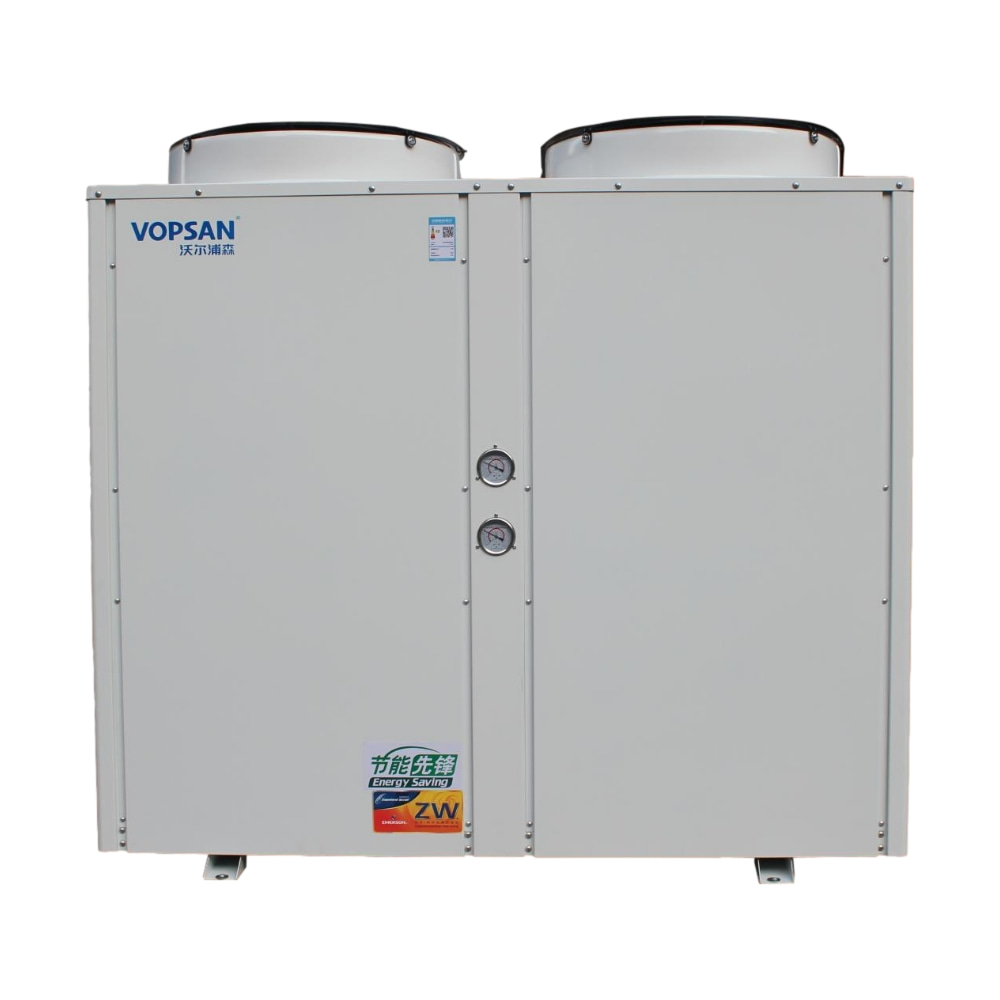
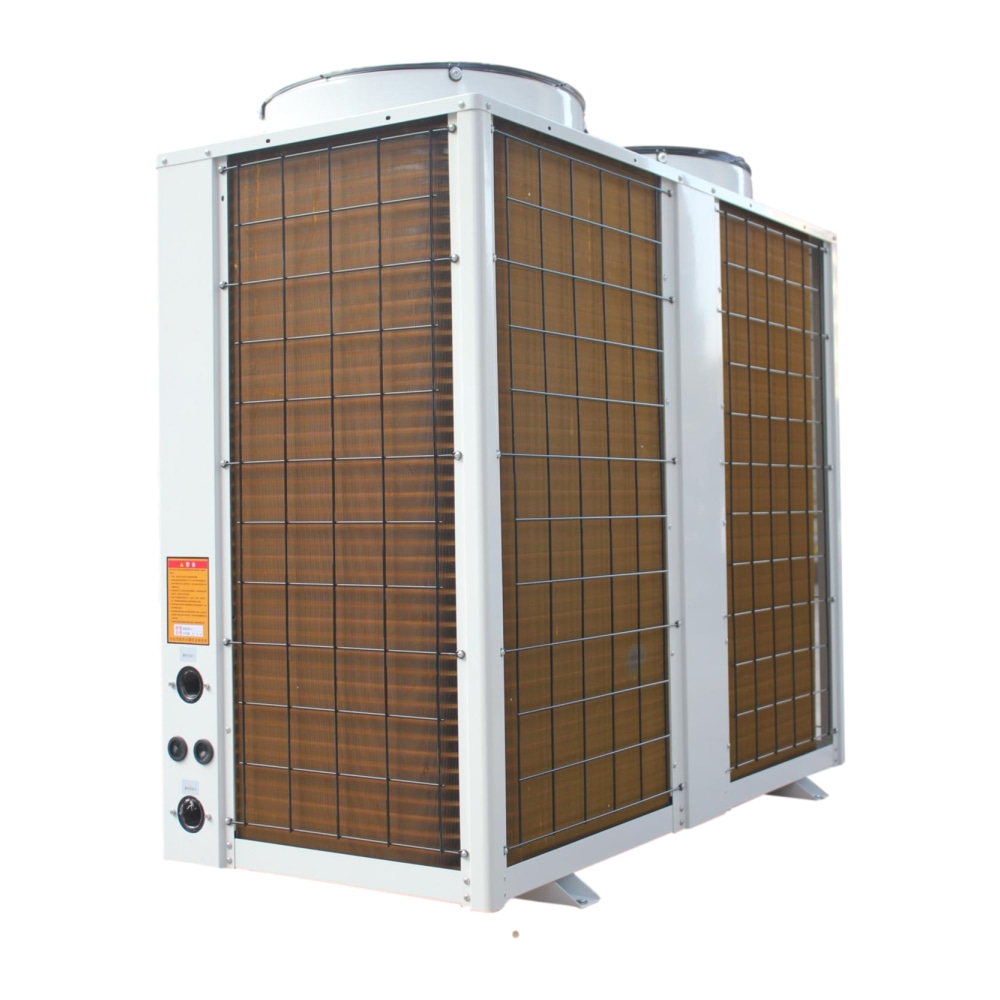
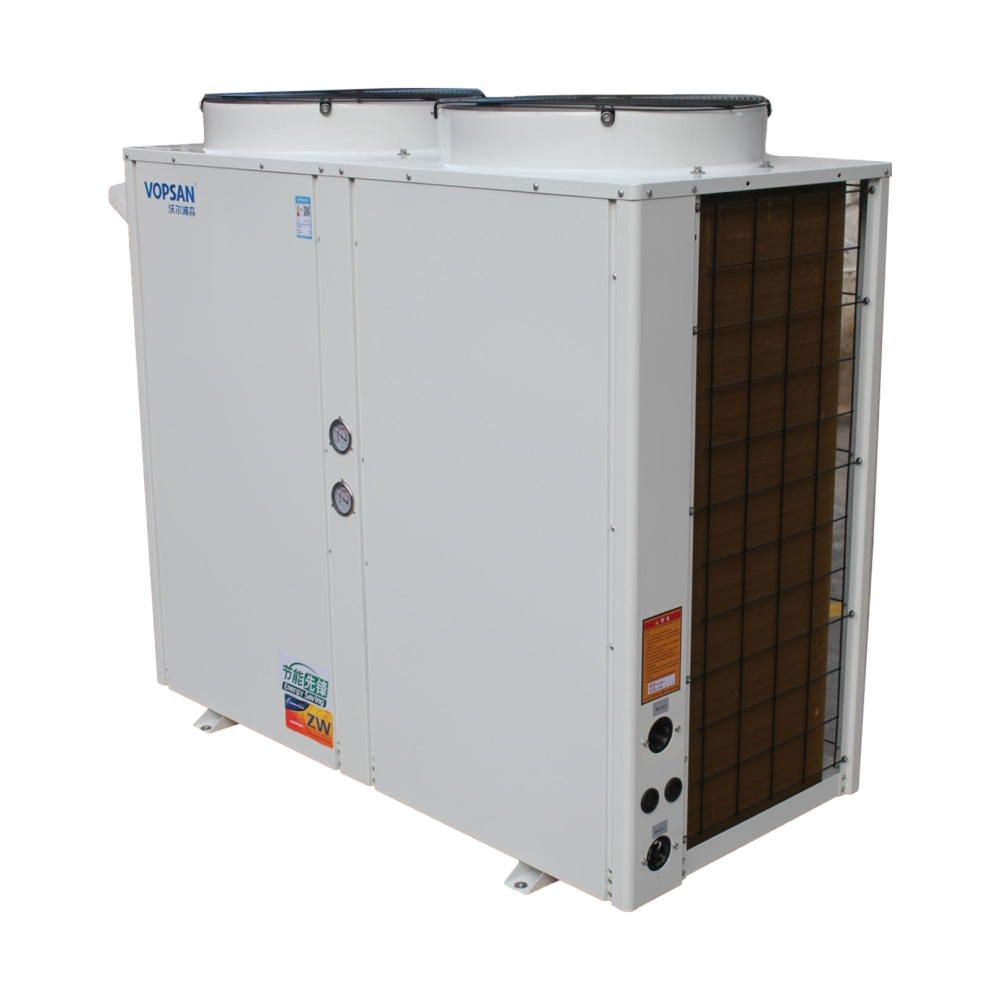
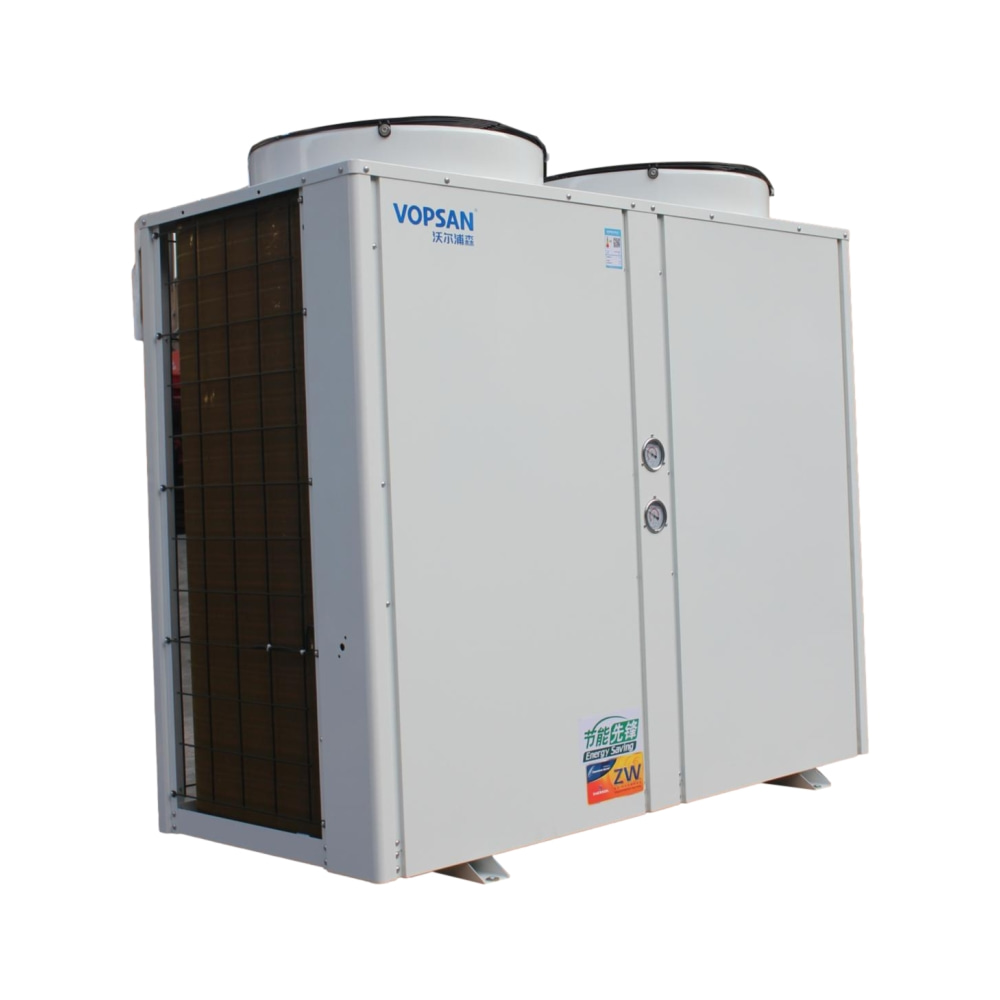
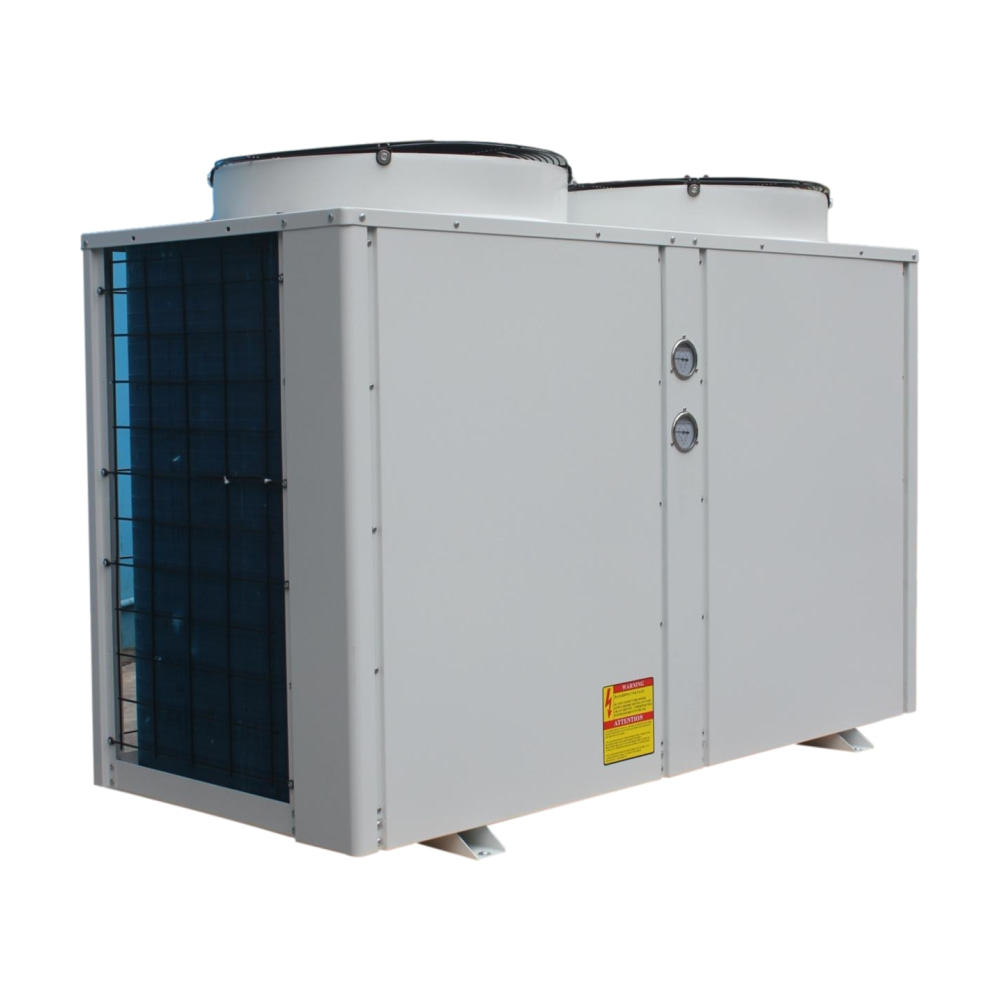
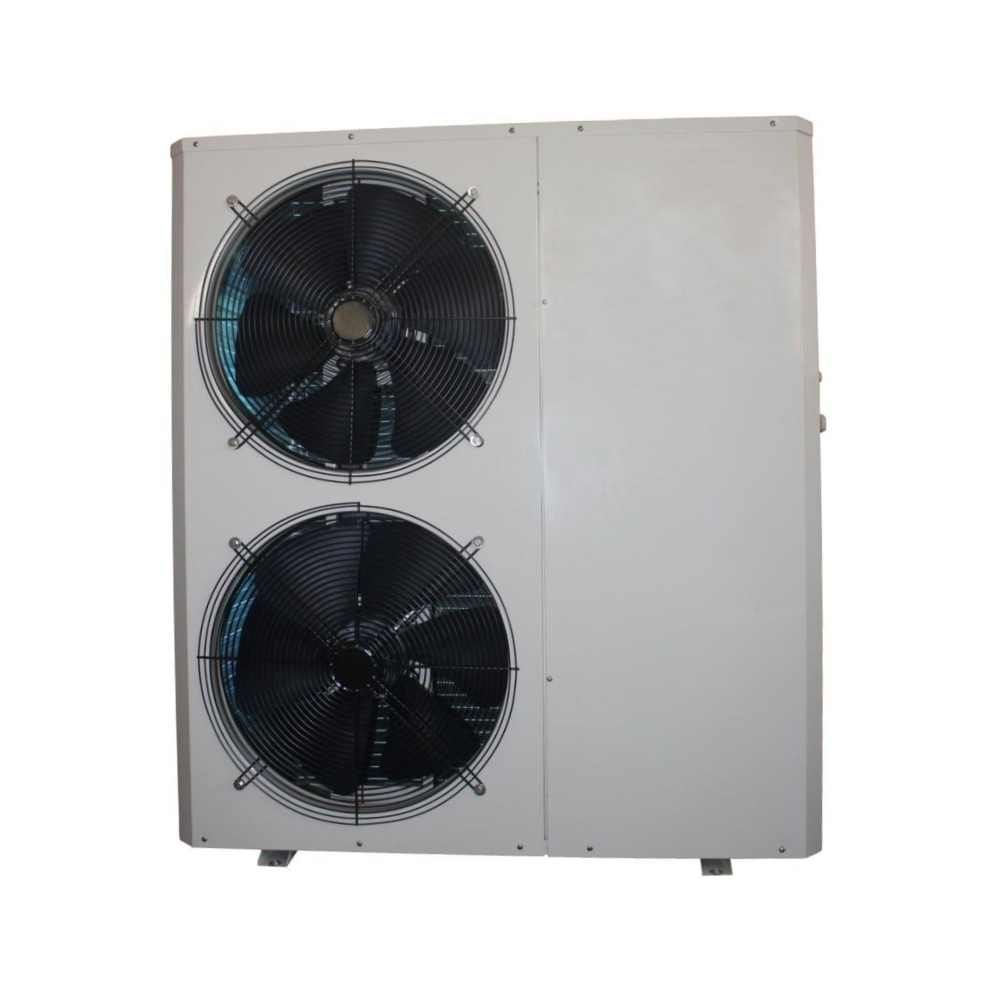
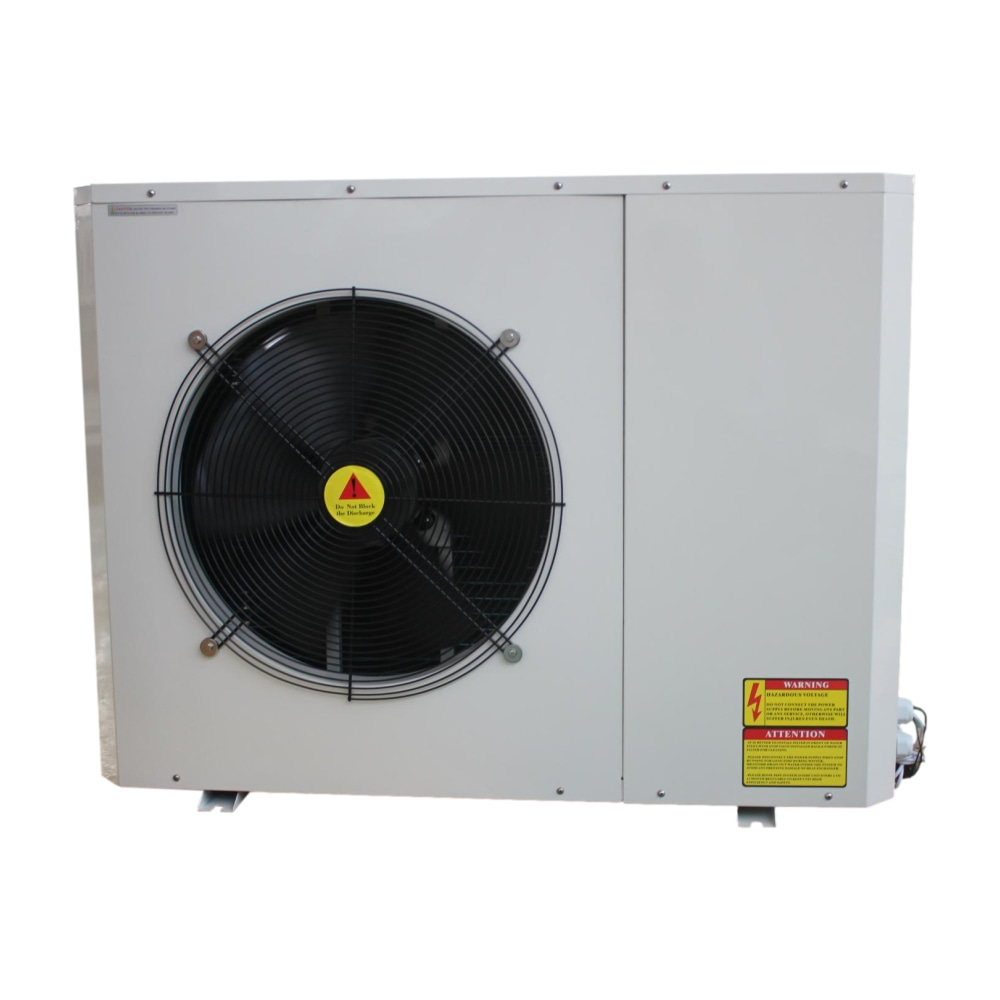
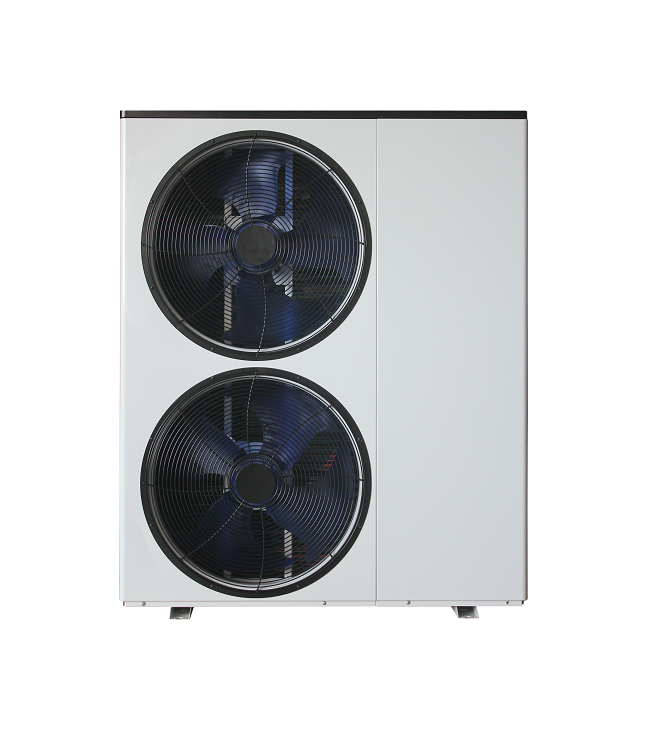
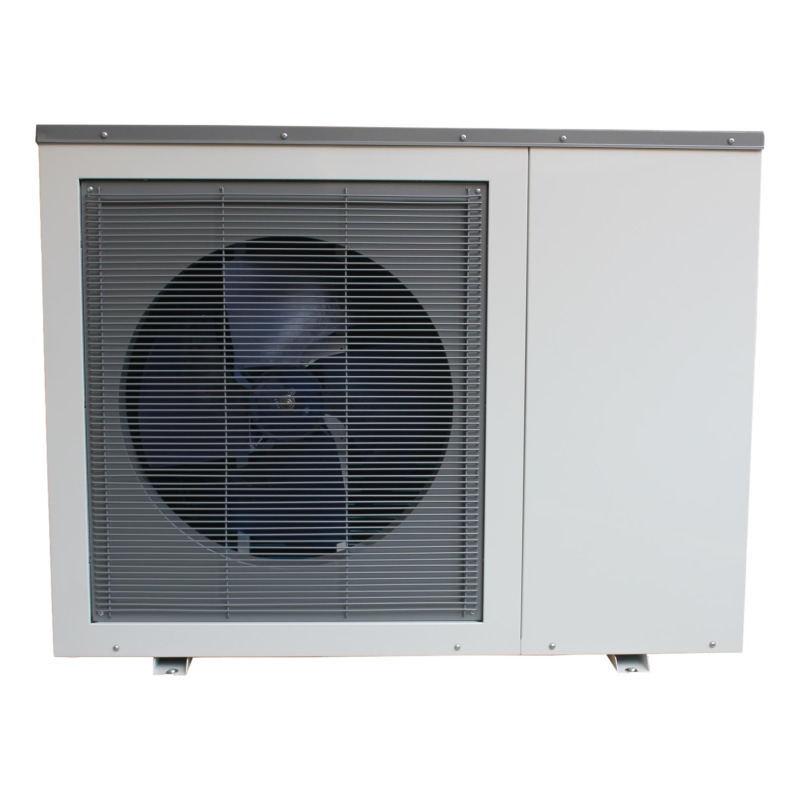
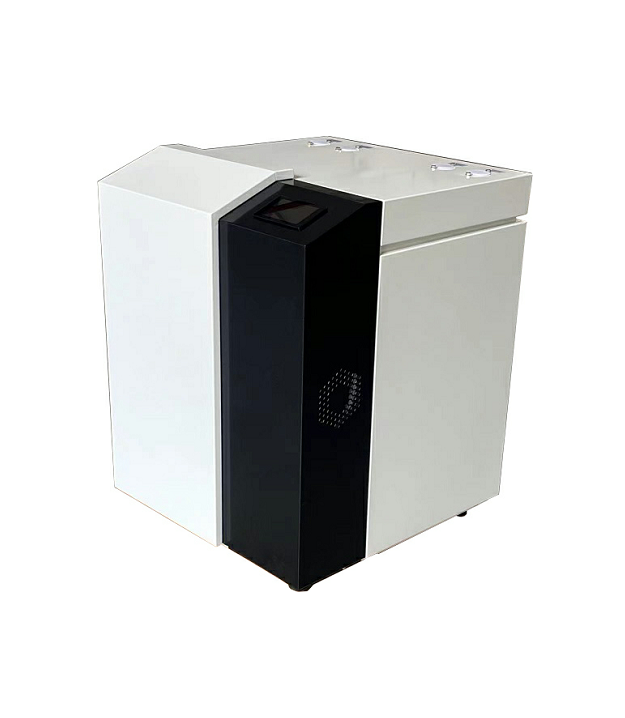
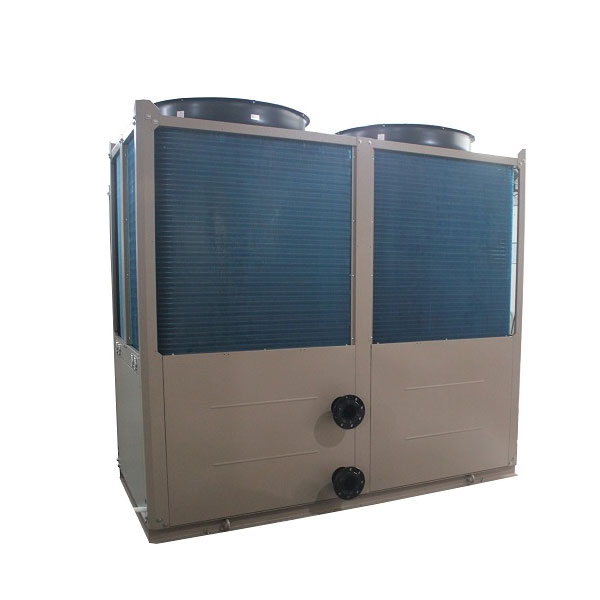
EVI Low Temperature Air Source Heat Pump (40kW)
SUOHER EVI low-temperature heat pump will bring customers a comfortable and stable warm experience in the coldest season. Strong heating capacity, suitable for commercial/industrial use.
While both low-temperature heat pumps and air conditioners can provide cooling and heating functions, they differ significantly in core design, technical specifications, and application scenarios, particularly in low-temperature environments. The primary distinction lies in design standards and low-temperature performance. The heat pump air heater complies with the "Low Ambient Temperature Air Source Heat Pump (Chilled Water) Unit" standard (GB/T 25127), specifically designed for low-temperature heating. It operates stably in-12°C to-35°C environments with minimal heating efficiency degradation. For example, it achieves a coefficient of performance (COP) ≥2.4 at-12°C and COP ≥2.0 at-20°C. Conventional air conditioners follow the "Room Air Conditioner" standard (GB/T 7725), with heating design conditions at 7°C/6°C. Their low-temperature heating performance significantly declines below-5°C, requiring electric auxiliary heating, and their COP often falls below 1.03.
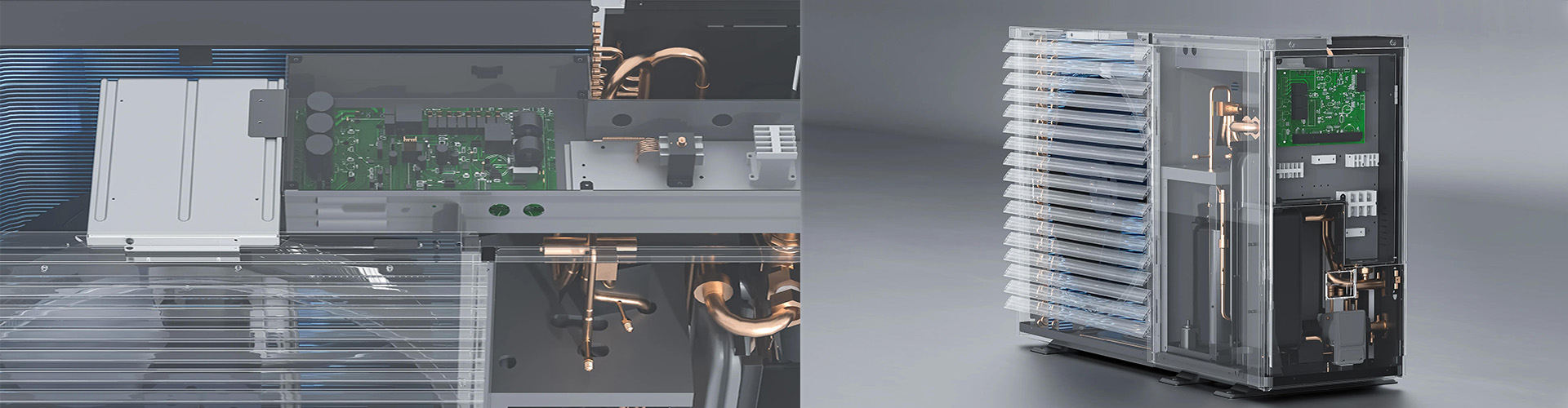
The EVI Low-Temperature Air Source Heat Pump features a larger heat exchanger area for refrigerant and heat pump air heater, typically using eco-friendly refrigerants like R410A with water circulation support, maintaining continuous heat dissipation even after shutdown. Most air conditioners use fluorocarbon refrigerant systems with low-temperature heat exchange efficiency, and some models still employ R22 refrigerant.
User Experience and Energy Consumption of EVI Low-Temperature Air Source Heat Pump: The heat pump air heater employs low-position air supply (≤20cm above ground), ensuring ground-level airflow with minimal vertical temperature difference of 3°C. In contrast, air conditioners' high-position supply creates a "hot head, cold feet" effect with temperature differences reaching 10°C. Energy Efficiency Comparison: At-12°C, the heat pump heater achieves a COP ≥2.4, generating 3-4 units of heat per kWh. When air conditioners rely on electric auxiliary heating, they produce only 1 unit of heat per kWh, potentially doubling winter electricity costs.
Air-to-water heat pump applications and service life: Heat pump air heaters are suitable for severely cold northern regions (e.g., Northeast and Northwest China), while air conditioners are better suited for temperate climates south of the Yellow River. Air Source Heat Pump air heaters have a design life of approximately 10 years, whereas air conditioners, due to frequent on/off cycles and low-temperature wear, typically last 5-6 years. In severely cold regions, heat pump air heaters are the preferred choice, with attention to jet enthalpy enhancement technology, COP values, and low-temperature operating range. For temperate regions: Conventional air conditioners offer better cost-effectiveness but require consideration of low-temperature heating efficiency degradation. Heat pump air heaters are specifically optimized for low-temperature heating, while air conditioners prioritize cooling performance. Select based on actual climate needs to balance comfort and energy efficiency.