FOSHAN SUOHER ELECTRICAL APPLIANCE CO., LTD
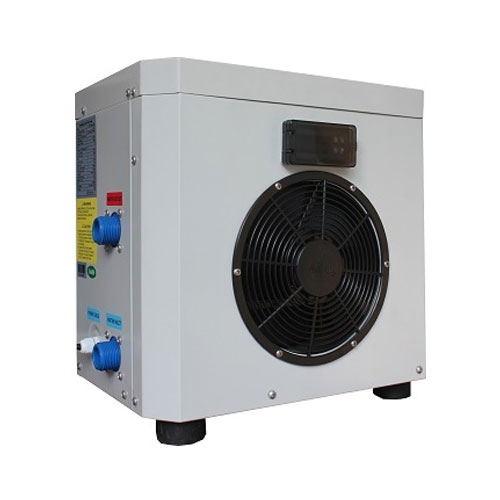
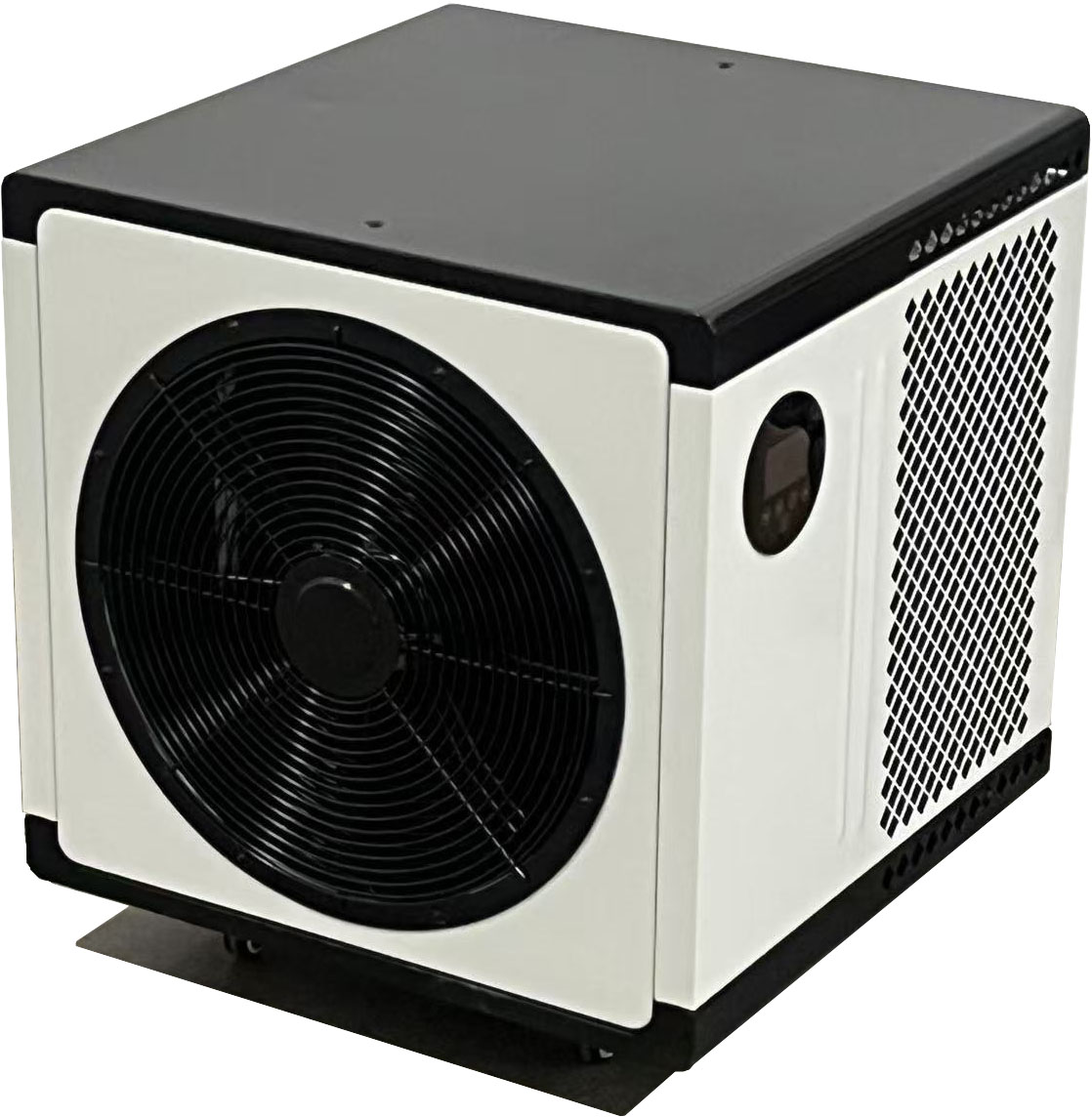
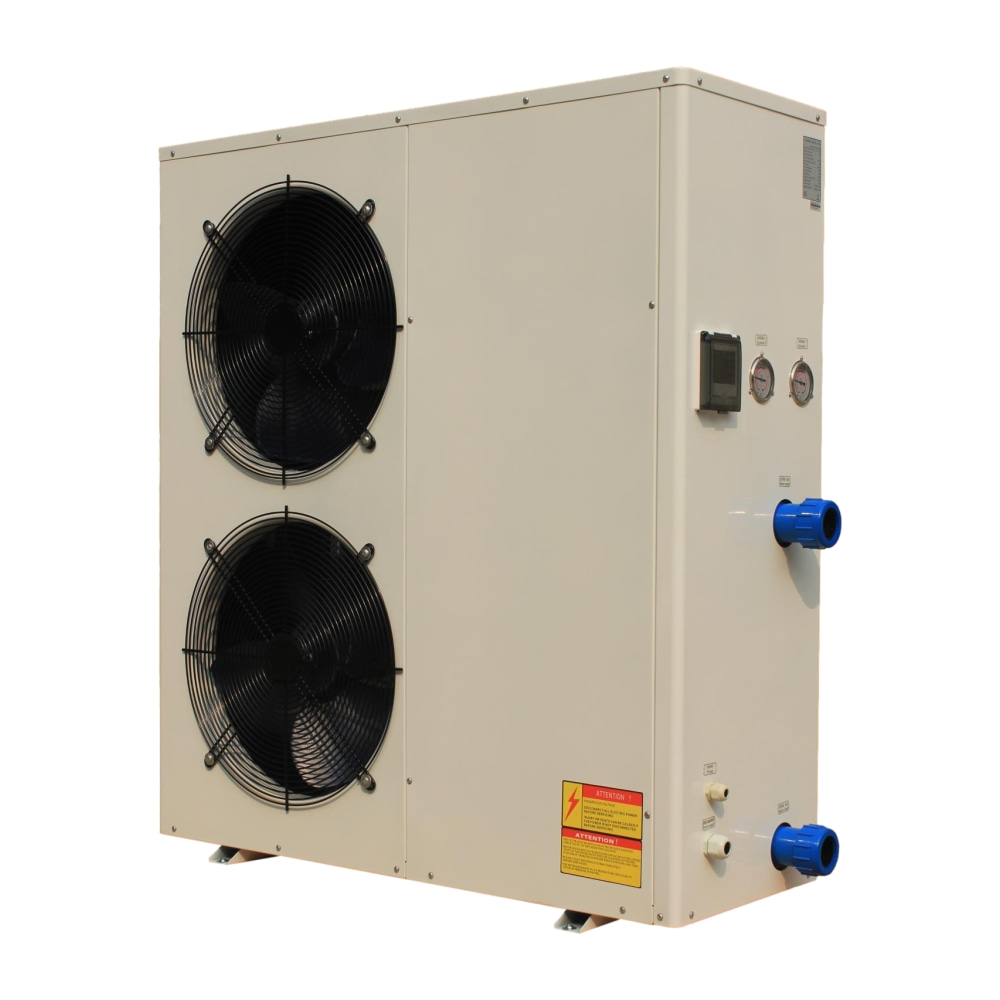
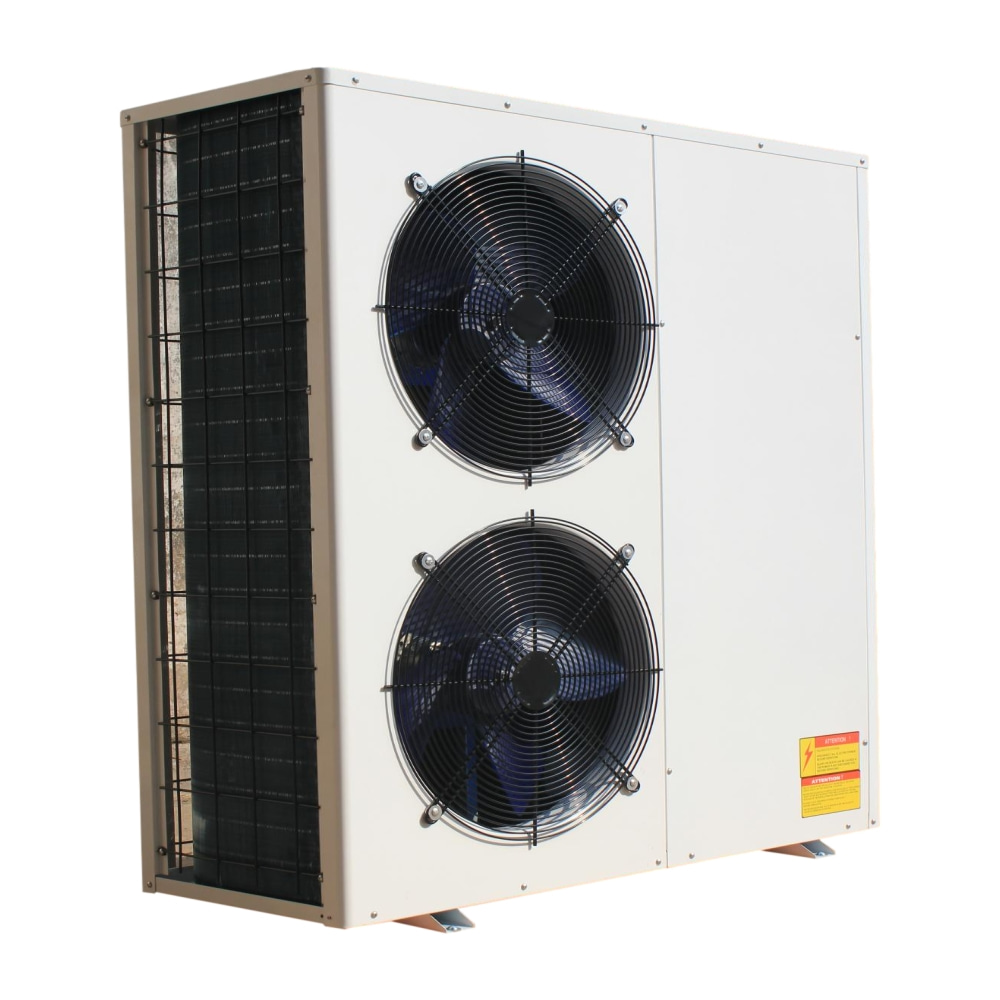
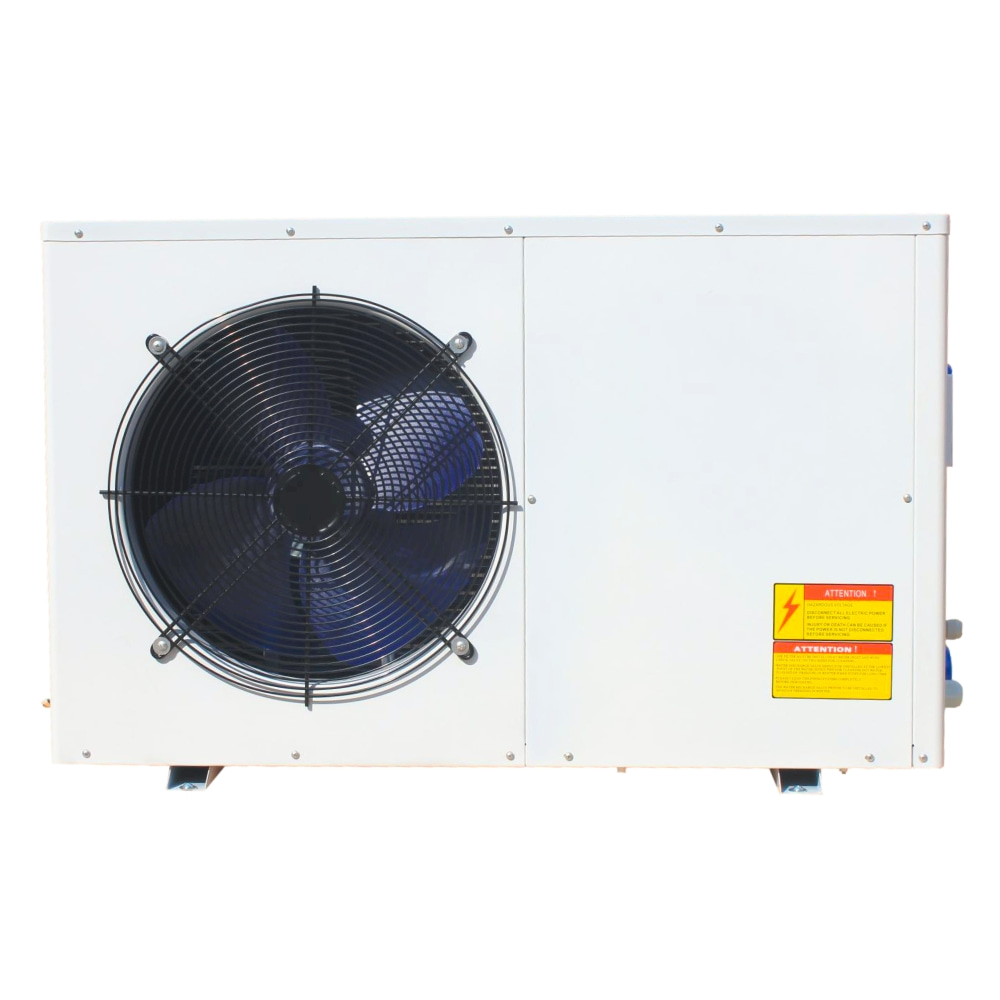
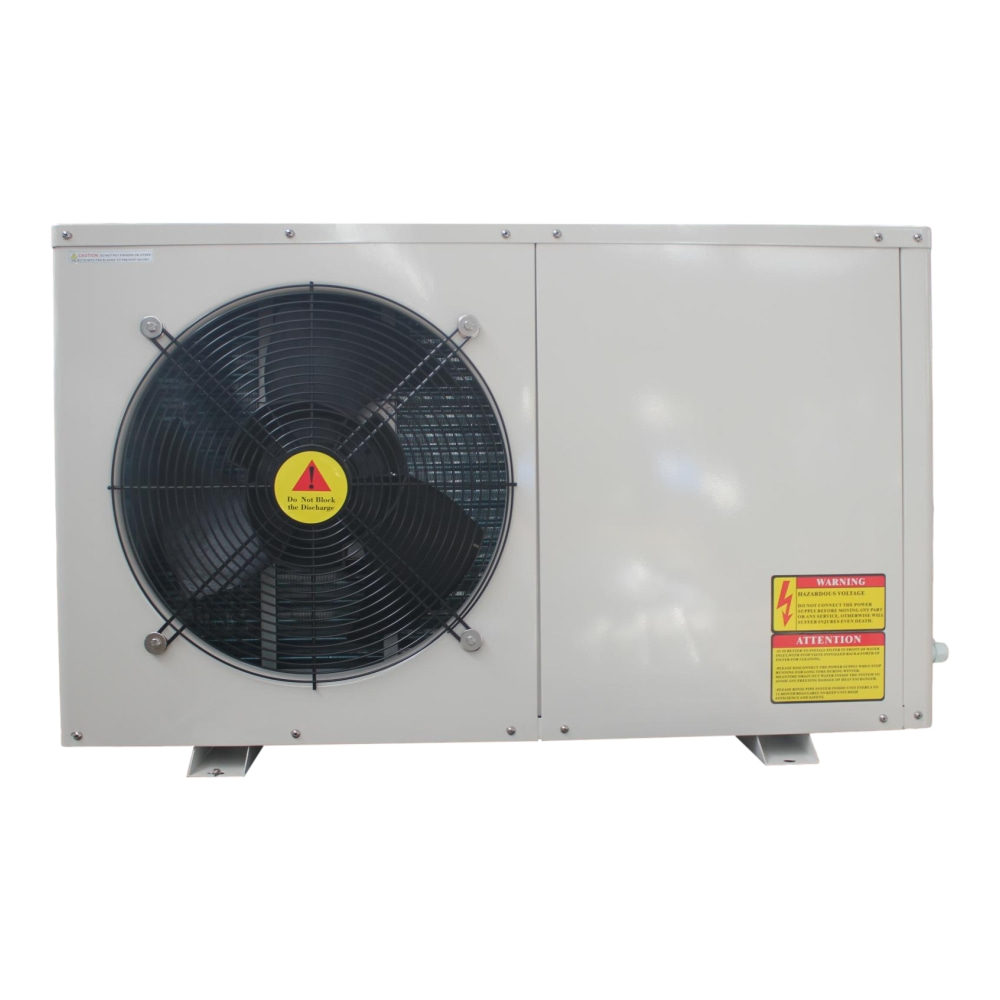
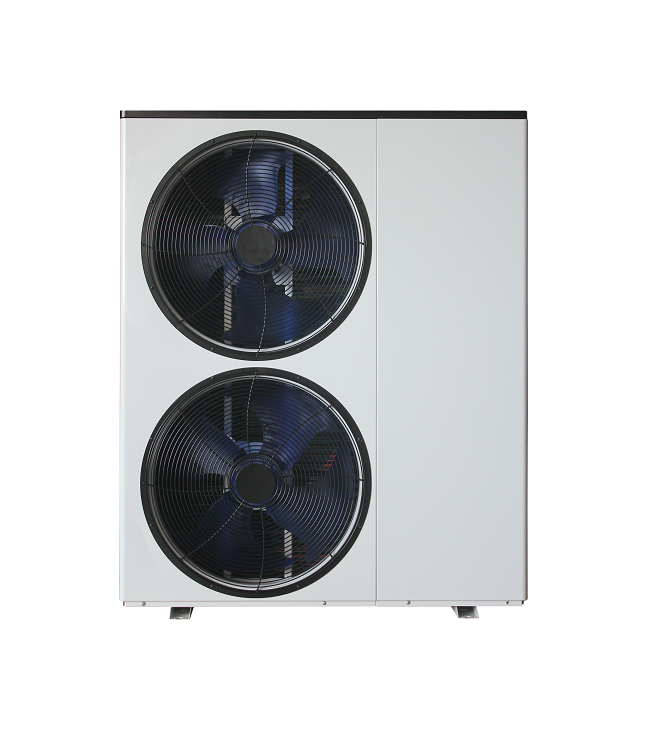
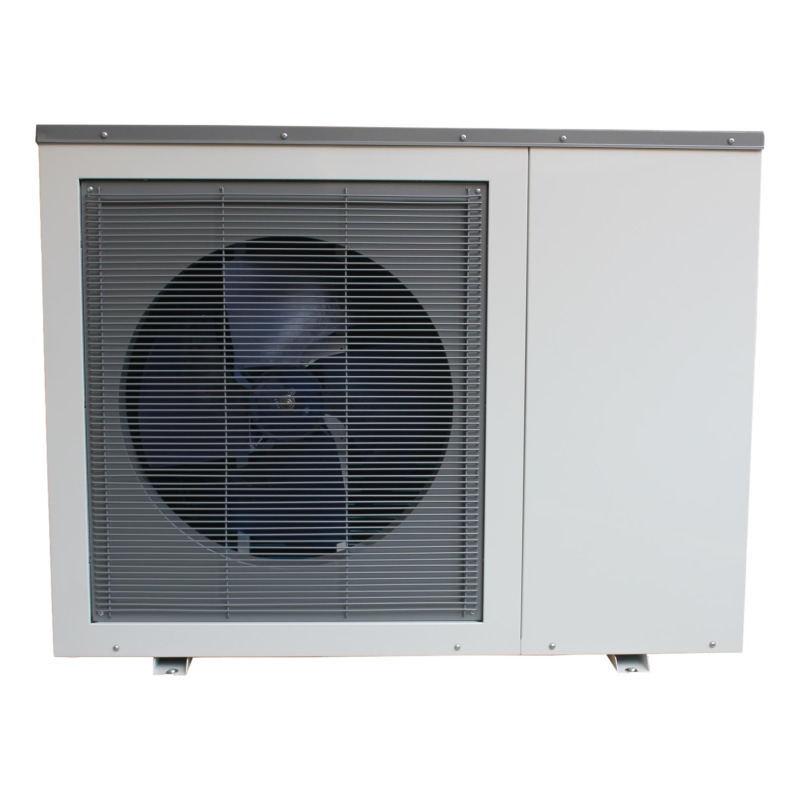
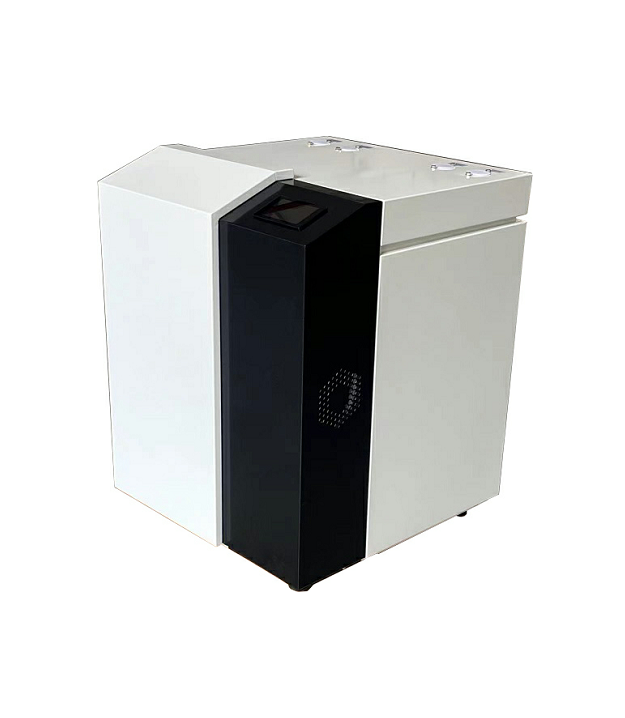
MINI Swimming Pool Heat Pump
When selecting a swimming pool heat pump system, the power selection should comprehensively consider the pool volume, ambient temperature, usage requirements, and energy efficiency parameters. The main selection criteria are the power unit and common models, typically measured in hp (horsepower) or kW (kilowatt), 1hp≈0.735kW.
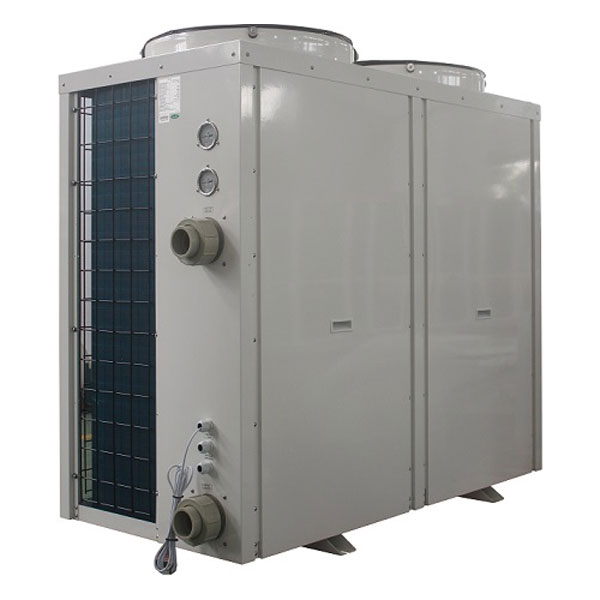
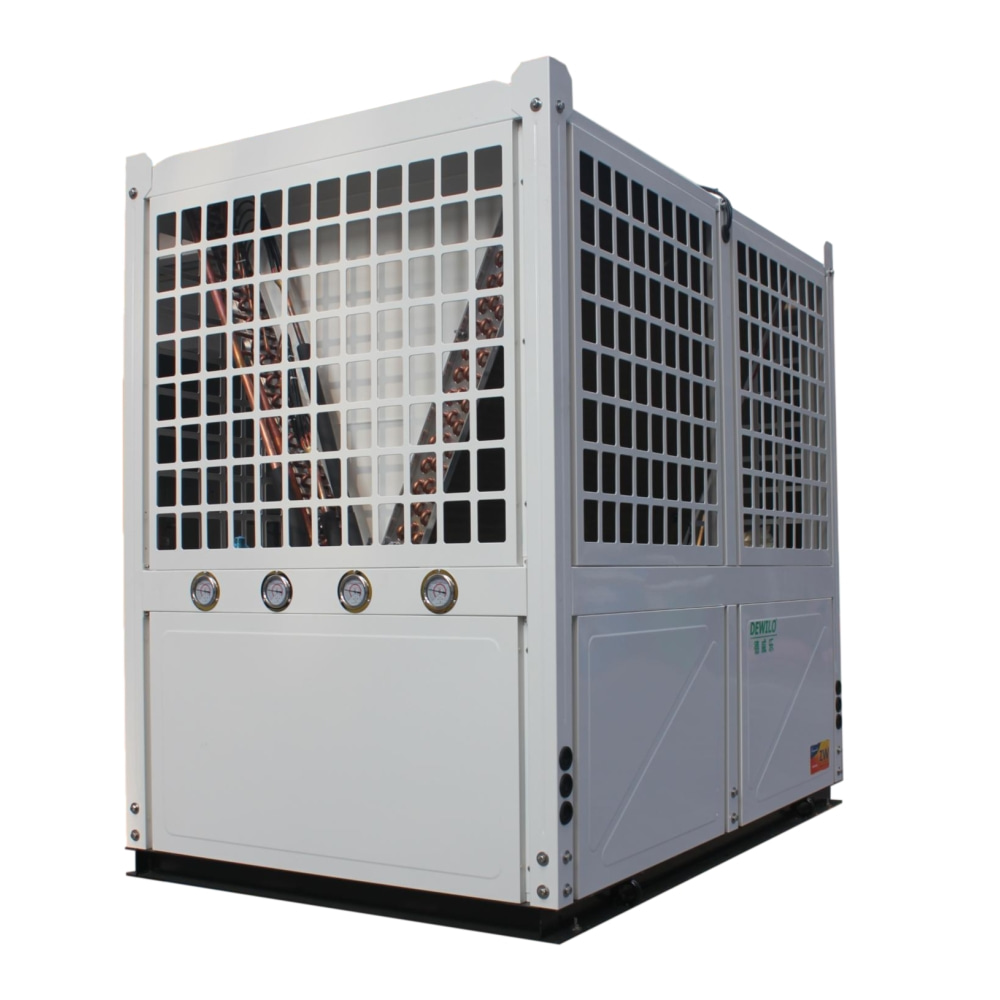
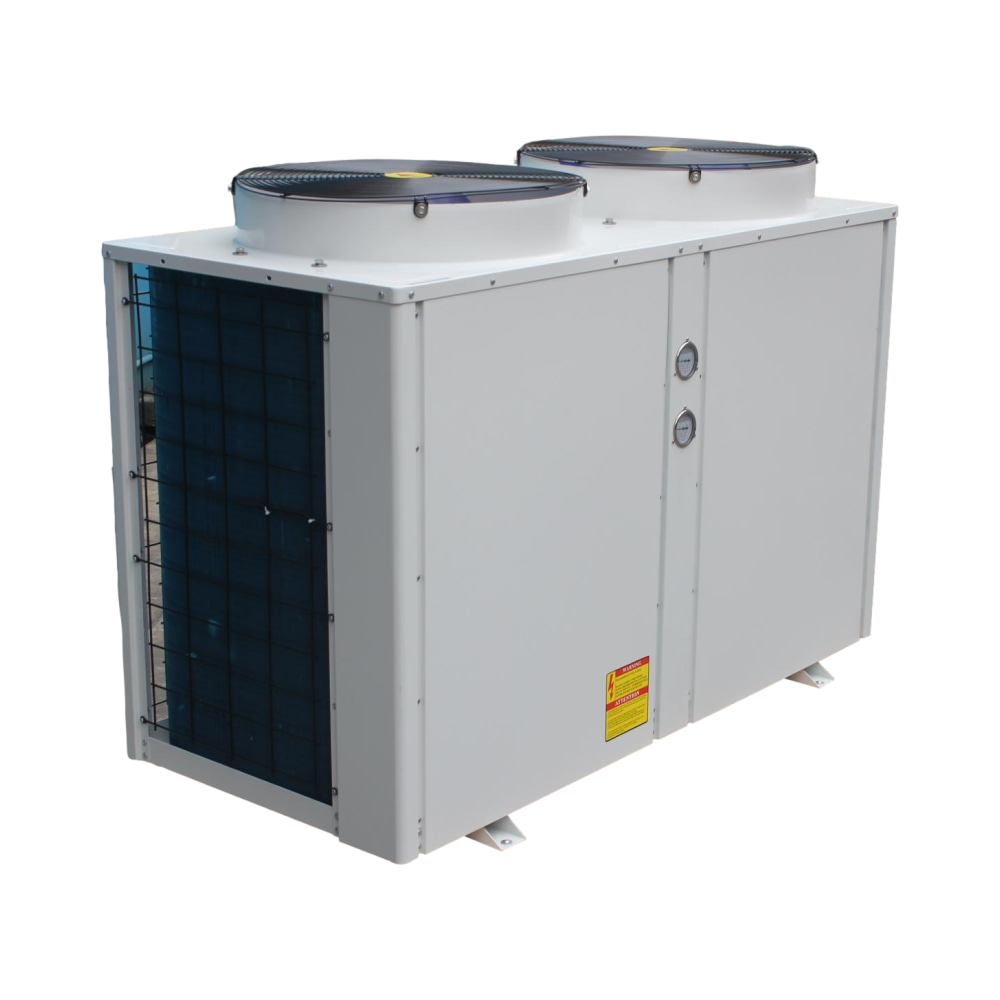
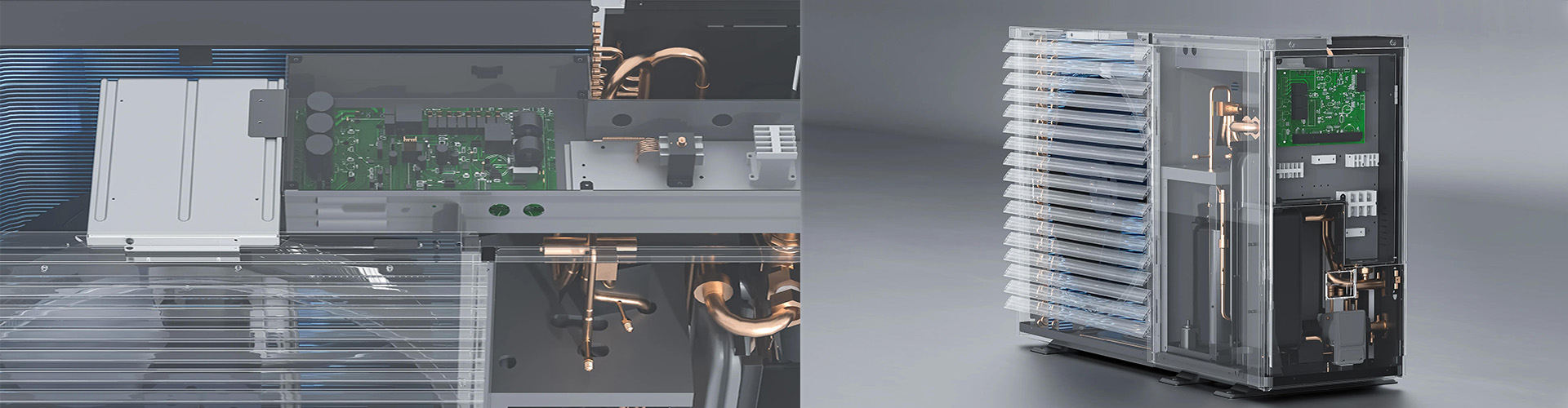
Common swimming pool heat pump models generally cover medium-sized (10-25hp) commercial/public pools and large-scale facilities/special requirements (50hp+). Power calculation core parameters: Accurate calculation of heat pump power is essential for initial heating. The formula is QC = Vc × ρ × (td-tf) ÷ Th + Qs, where each unit is represented as: Vc: pool water volume (L); ρ: water density; td: target water temperature (typically 26-28℃); tf: initial water temperature; Th: heating time (recommended 24-48 hours). For example, a 2500m³ pool heated from 15℃ to 28℃ requires approximately 787.31kW of power. MINI swimming pool heat pump: Designed for constant temperature maintenance, total heat = surface evaporation loss (Qz) + conduction loss (Qy=Qz×20%) + water replenishment heating (Qb). Environmental and energy efficiency factors influence climate conditions. In cold regions, models with enhanced low-temperature performance (e.g., frost-removal capability) should be selected, while thermal efficiency degradation should be considered (COP recommendation for North China: 4.2). High-COP models (e.g., COP≥6.6) can significantly reduce operating costs. MINI Swimming Pool Heat Pump Compressor Types and Applications: Scroll compressors are suitable for small to medium-sized pool heat pumps (e.g., 3.5-40kW), featuring high energy efficiency, low vibration, and long service life. Examples include the Copeland ZW42KWP-TFD-52E model (3.5hp, R410A refrigerant). Variable frequency compressors like R32 DC inverter models can dynamically adjust power to adapt to varying load demands, achieving significant energy savings (COP exceeding 6.6).
Swimming Pool Heat Pump Axial Flow Compressor Suitable for large commercial systems (e.g., 5MW class), but rarely used in pool heat pumps. Swimming Pool Heat Pump Refrigerant Selection: R410A: A traditional refrigerant with strong compatibility but high GWP, requiring attention to environmental regulations. R32: A low-GWP alternative (GWP≈675) offering higher energy efficiency. Power Matching and Energy Efficiency Calculation Formula: Heating Capacity = Input Power × COP. For example, a 3.5kW input power scroll compressor (COP≈3.6) can provide 12.7kW of heating capacity. Low-temperature environments require compressors with liquid spray technology (e.g., PSH series) to ensure stable operation between-7℃ and 43℃.
Swimming Pool Heat Pump Installation and Maintenance Recommendations: Prioritize titanium tube heat exchangers or models with hydrophilic aluminum foil coating to enhance corrosion resistance and heat exchange efficiency. Commercial systems should adopt redundant designs (e.g., two 4kW compressors in parallel) to ensure continuous operation. By applying these parameters and case studies, we can precisely match swimming pool heat pump compressors to ensure efficient and stable operation.