FOSHAN SUOHER ELECTRICAL APPLIANCE CO., LTD
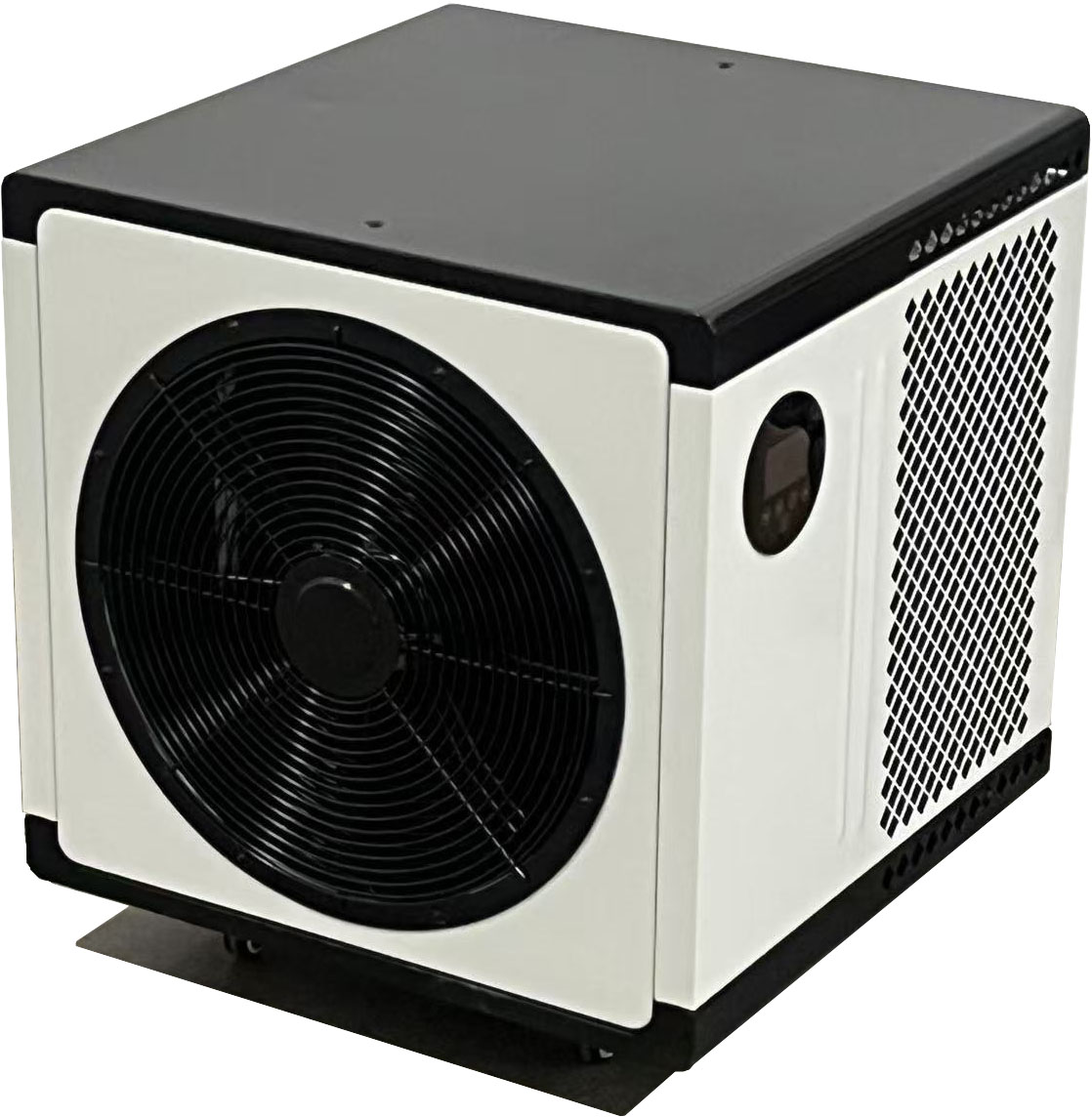
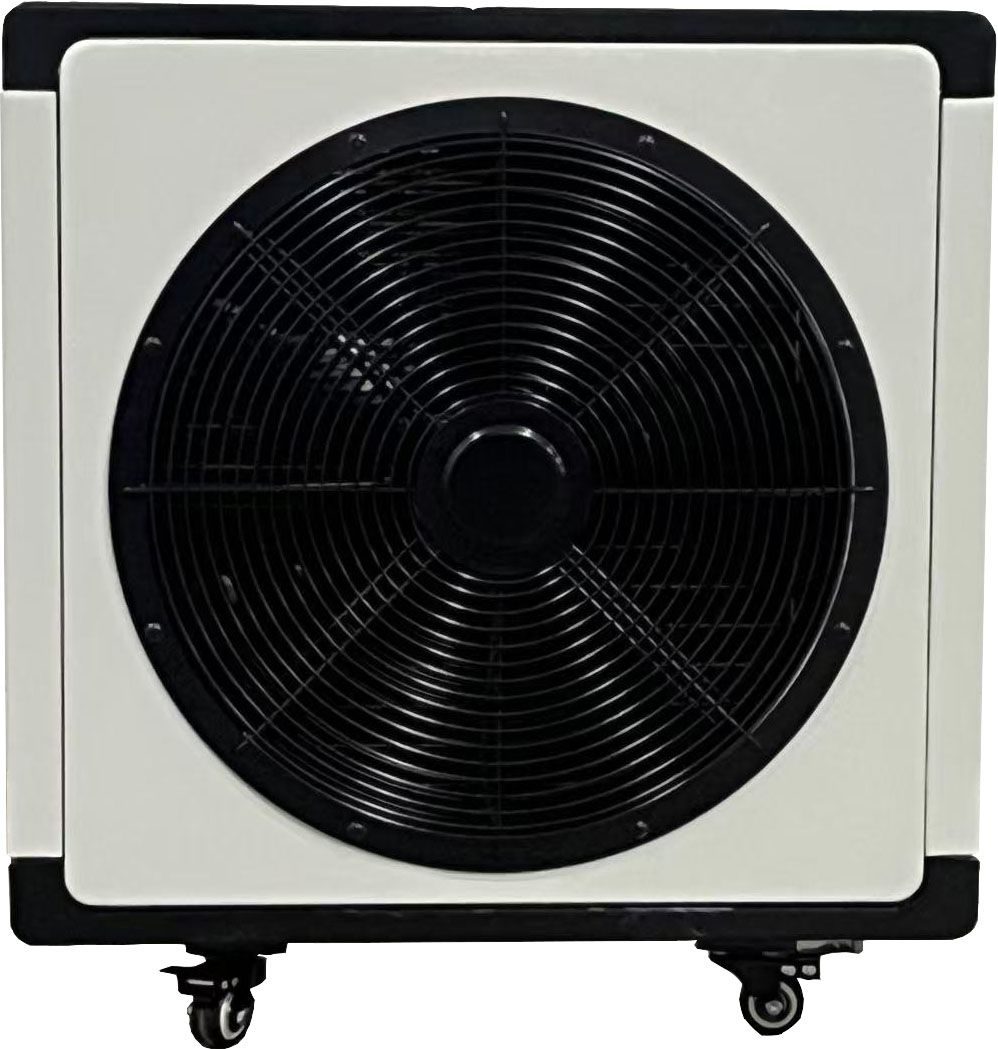
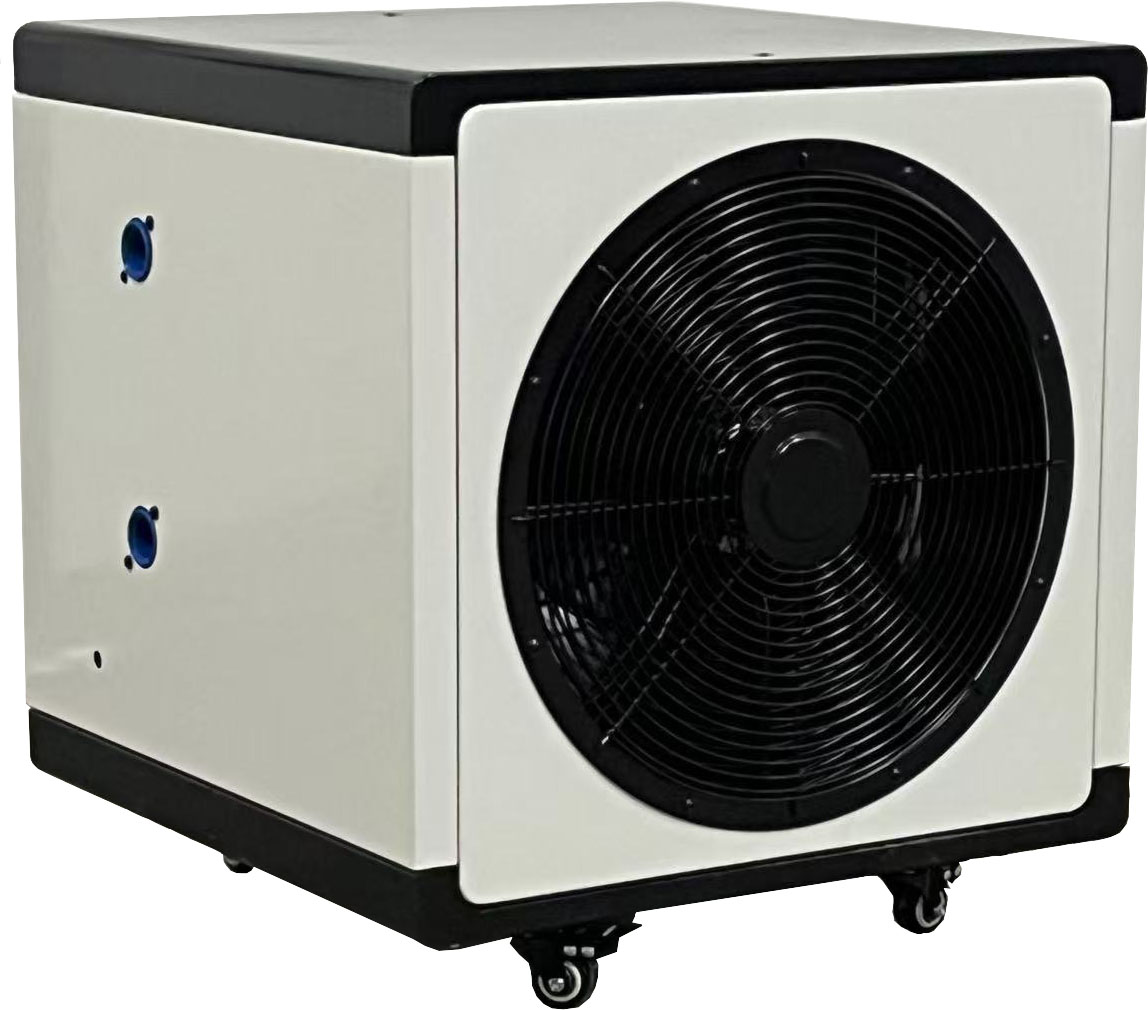
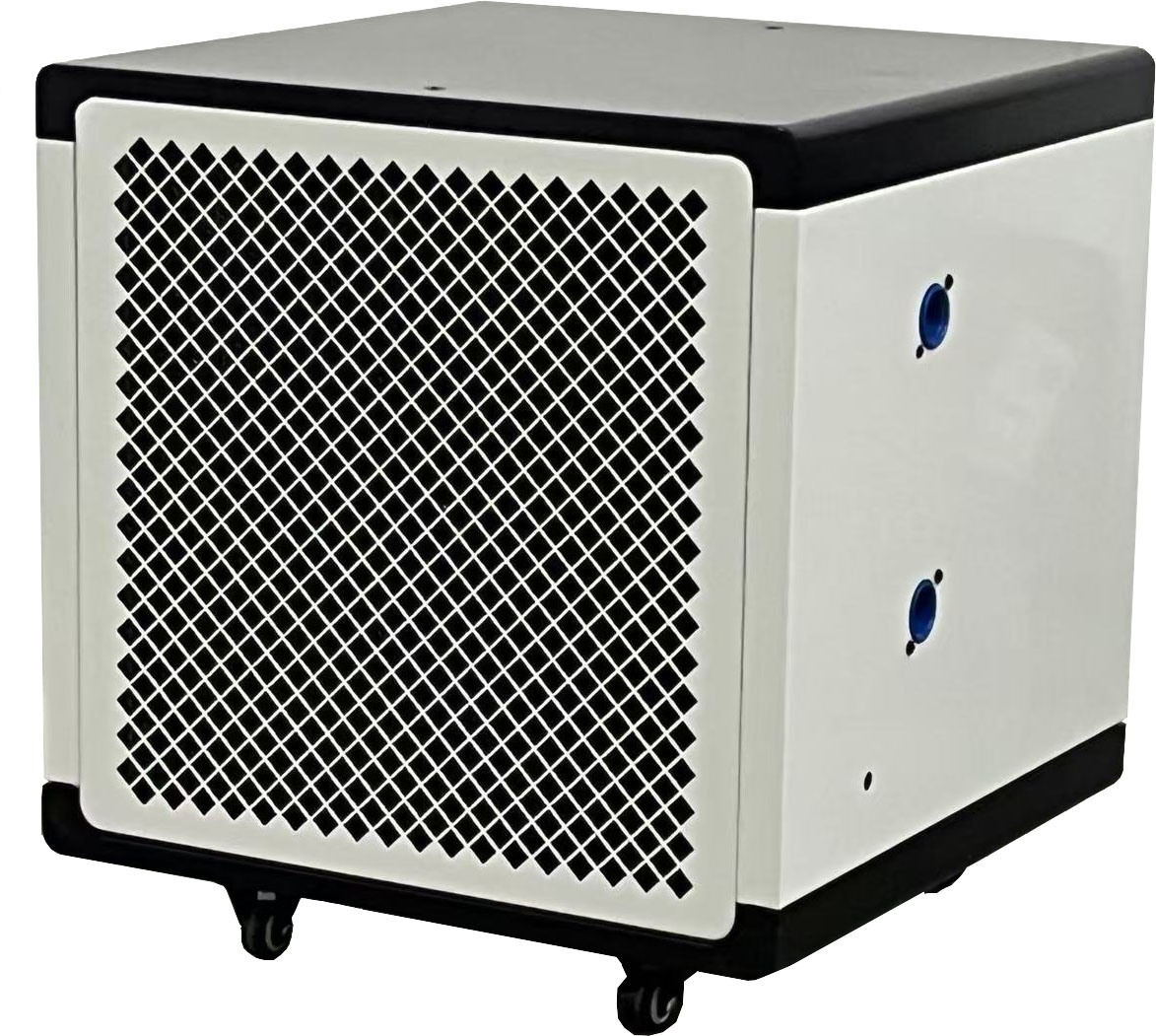
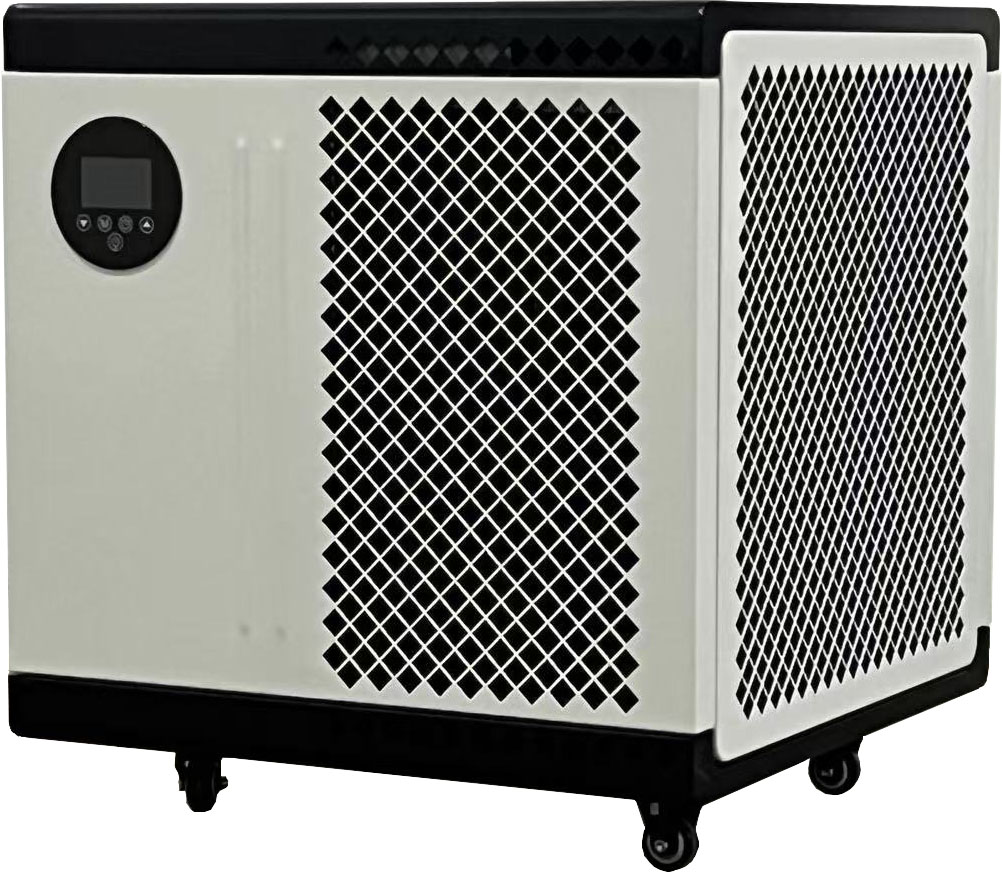
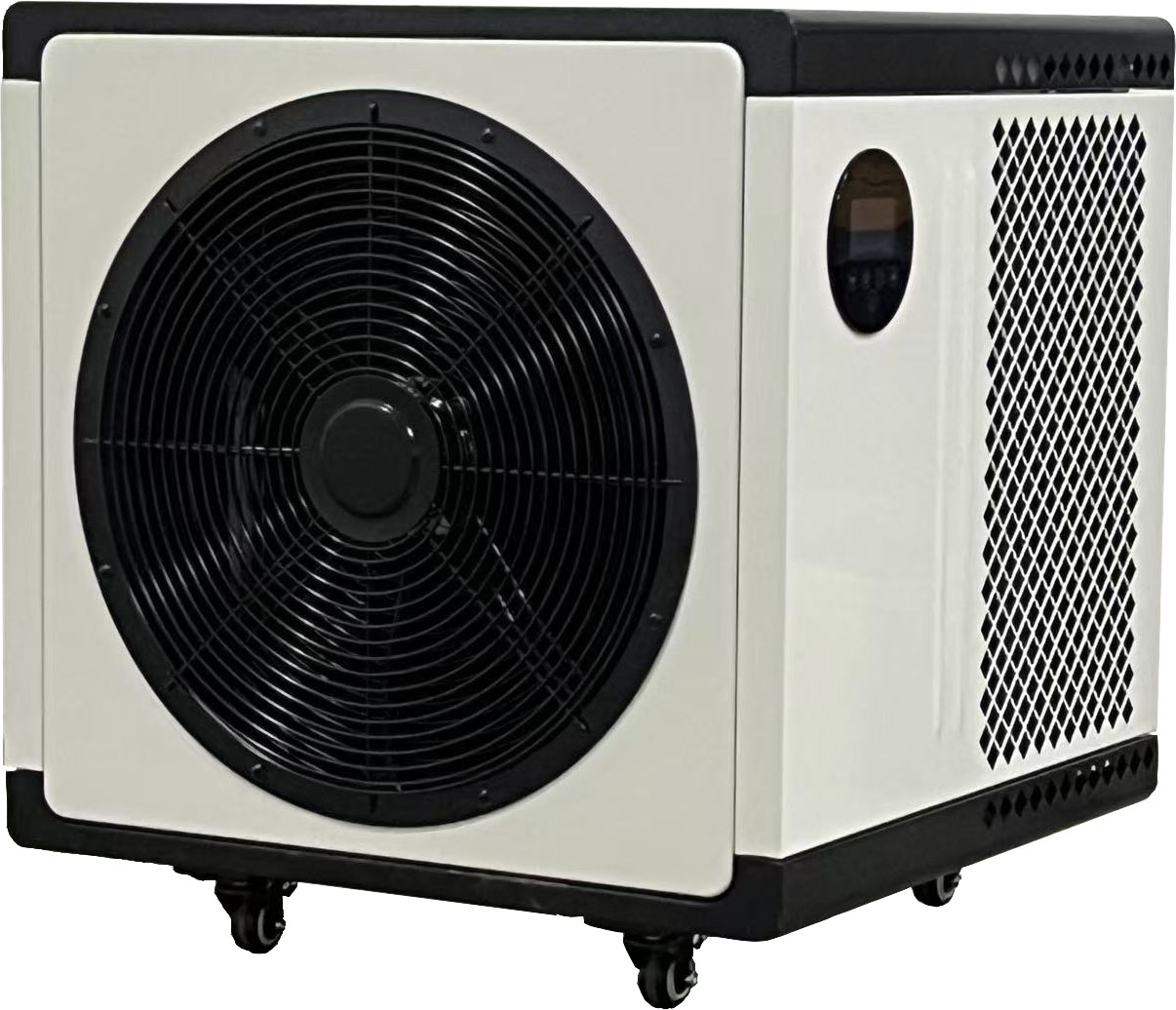
How to choose the swimming pool heat pump?
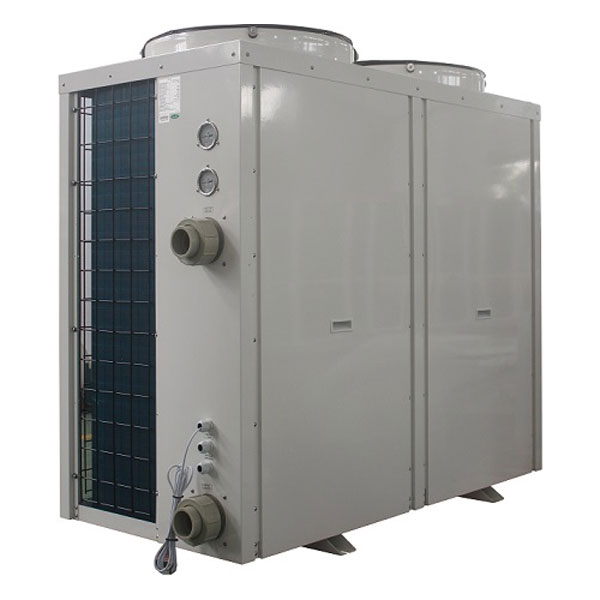
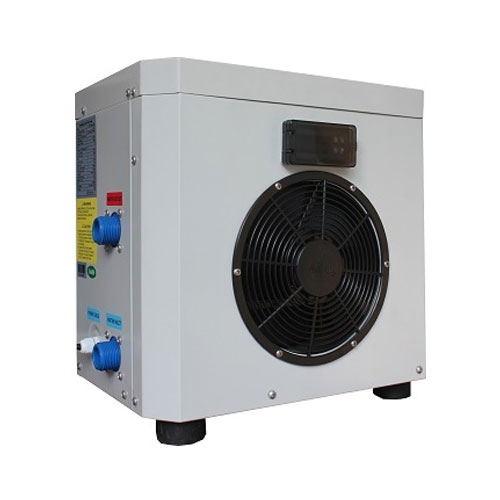
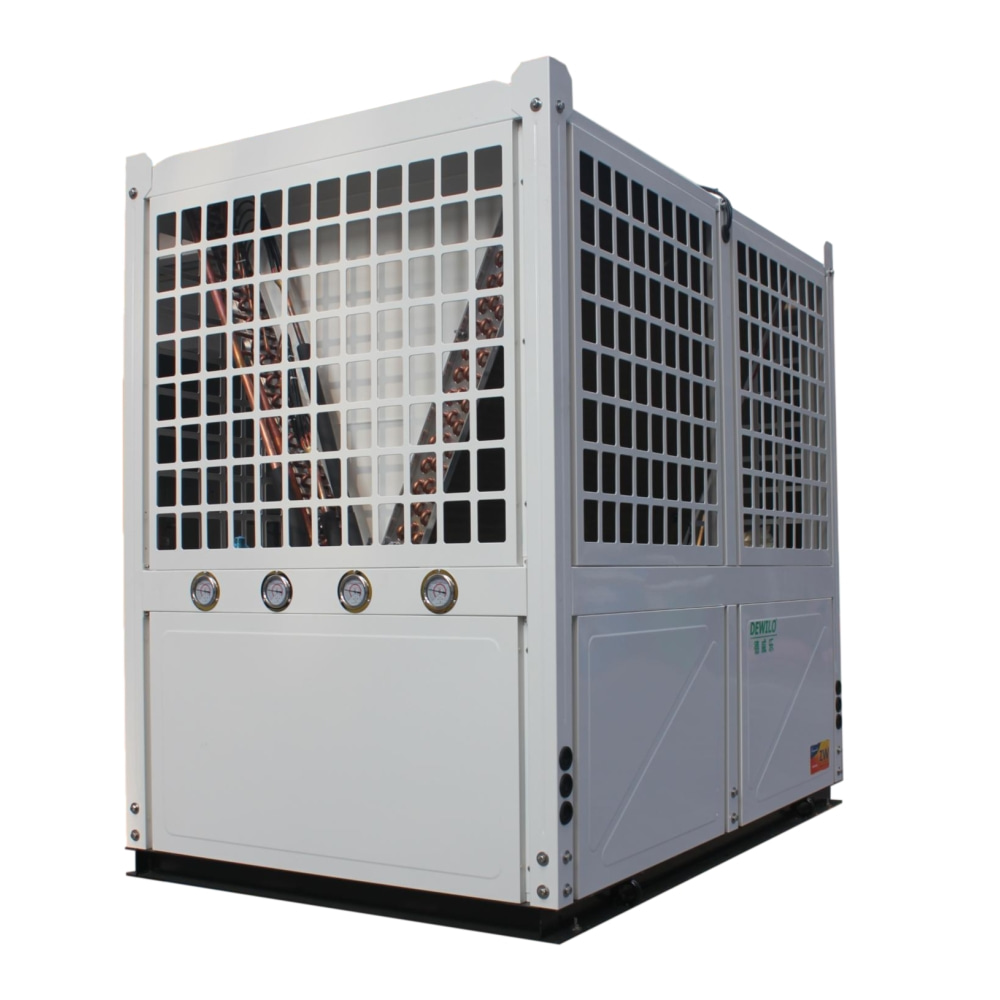
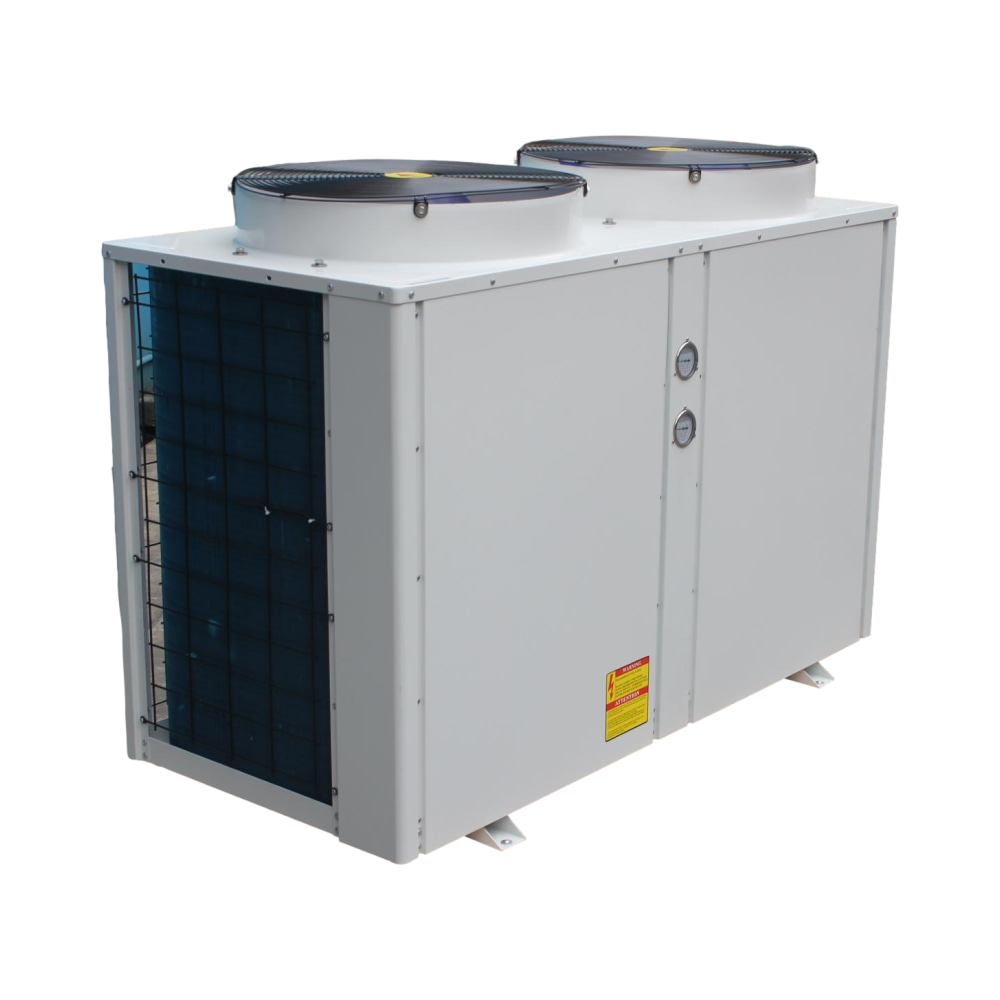
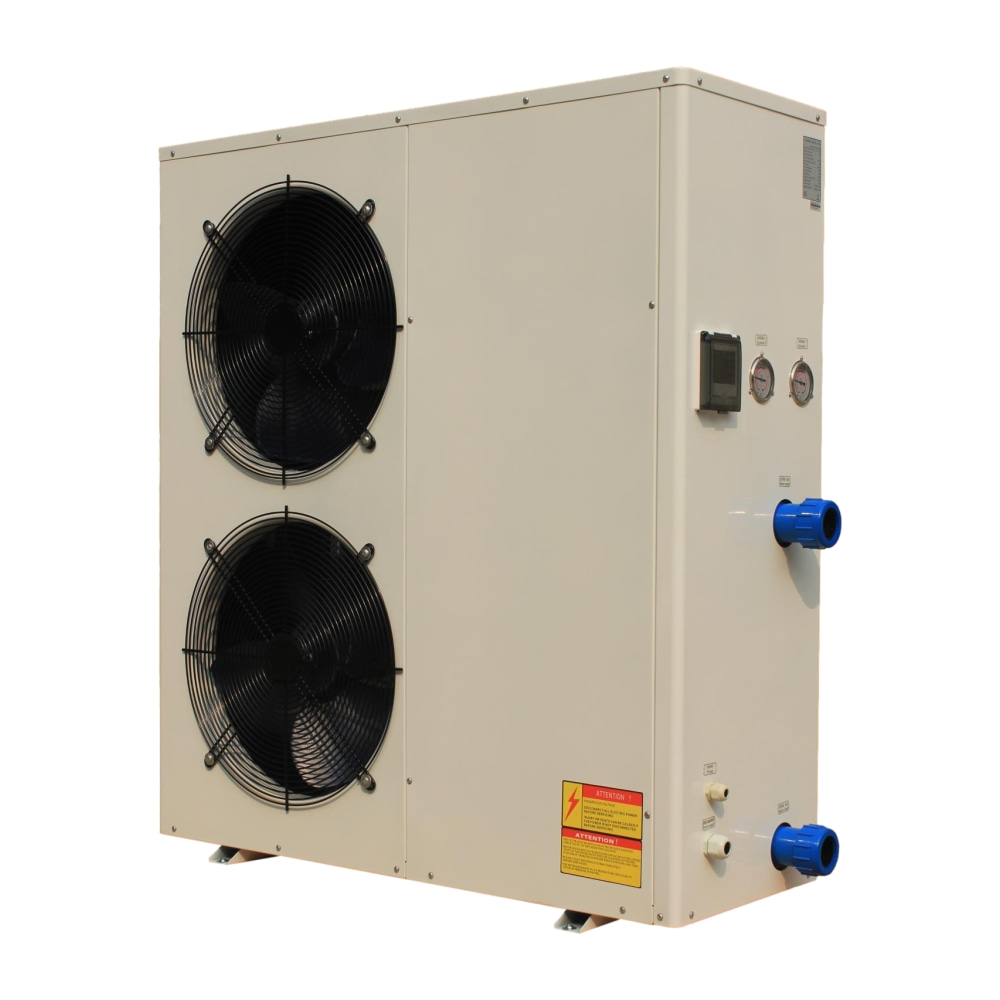
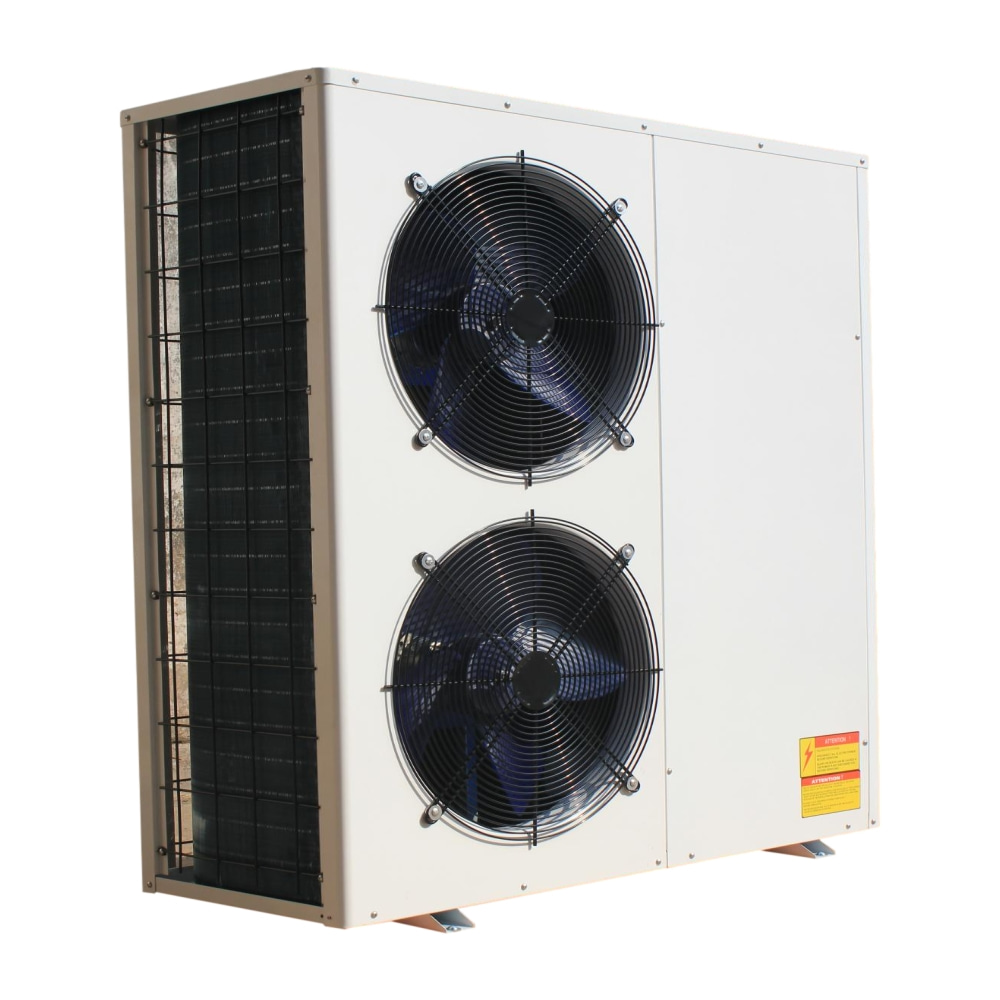
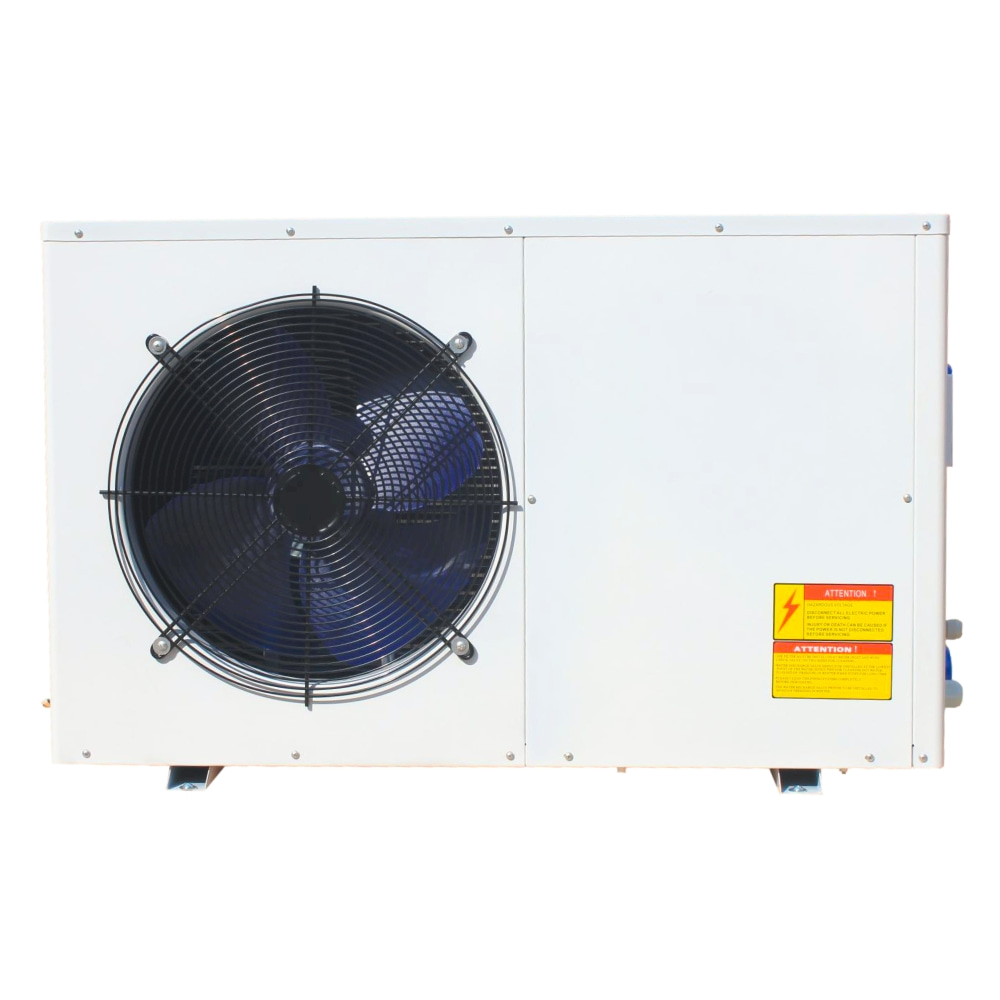
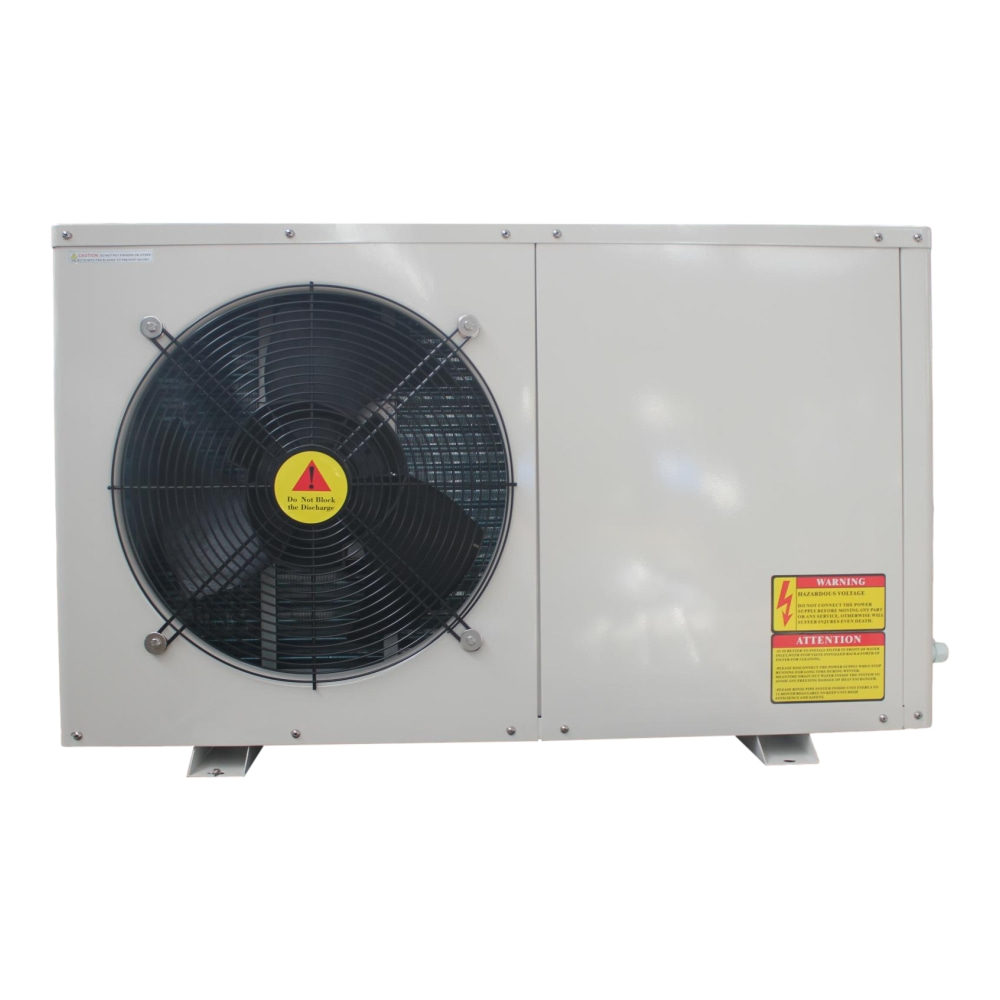
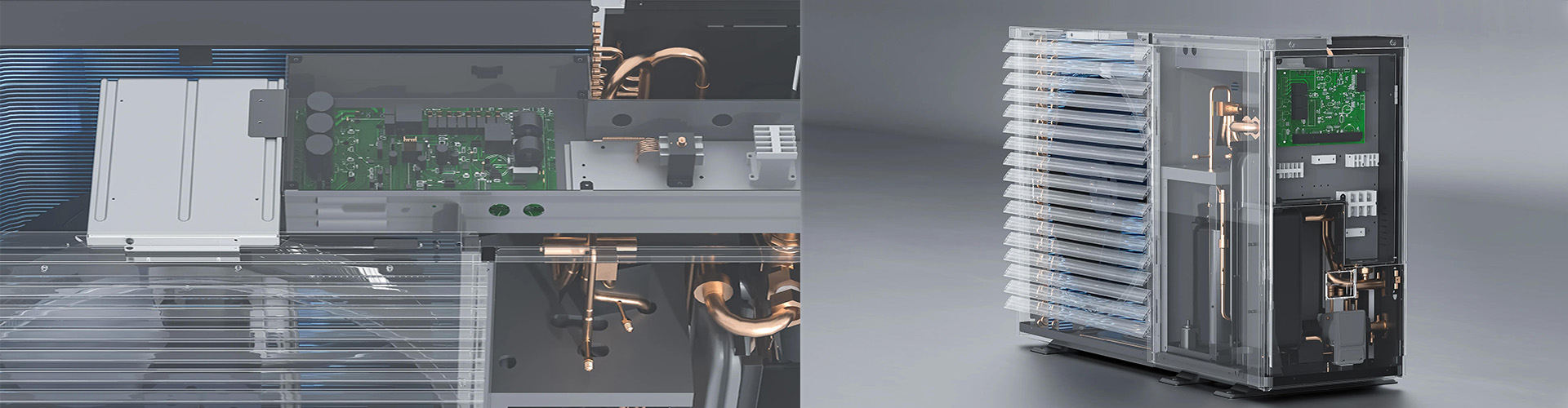
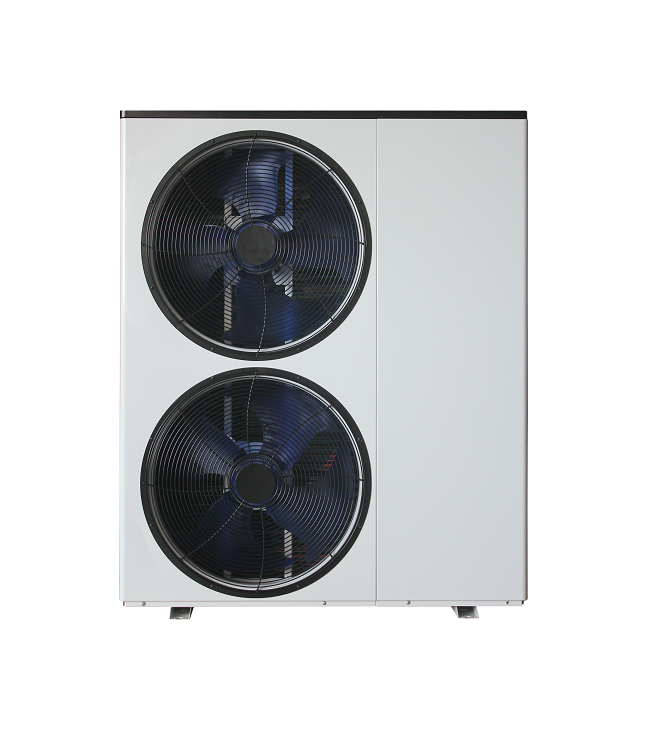
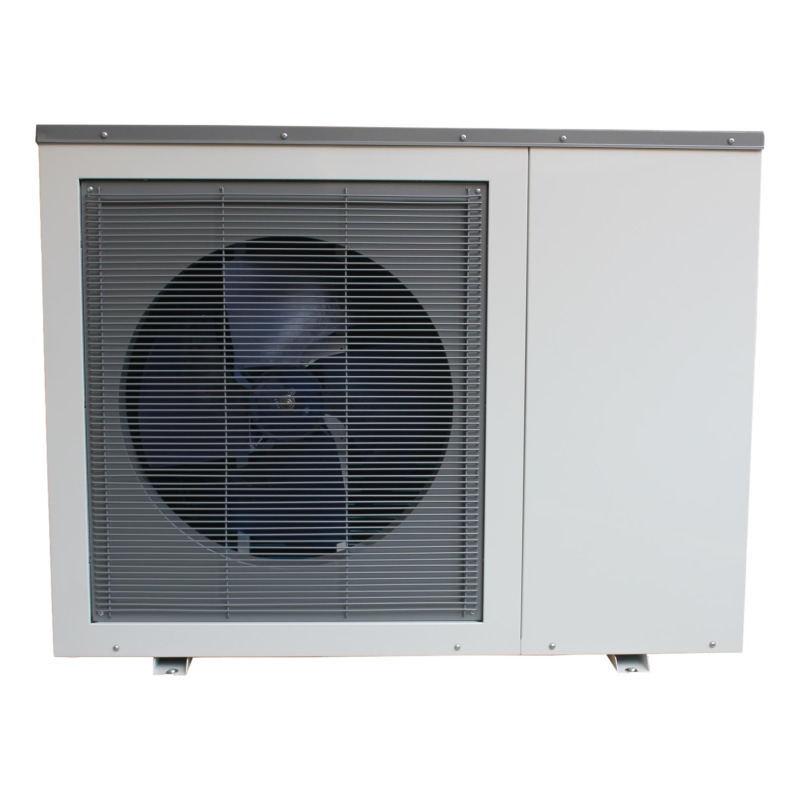
When selecting a swimming pool heat pump, multiple factors must be comprehensively considered to ensure energy efficiency and long-term practicality. Key considerations include: COP (Coefficient of Performance) : The core metric for evaluating heat pump efficiency, where higher COP values indicate lower energy consumption. Pool dimensions are also crucial : Capacity calculation forms the basis of selection, requiring precise estimation of cubic meters or gallons based on pool shape. Rectangular pools are calculated using length × width × height, while circular pools require adjustment by multiplying by a curvature coefficient (e.g., 0.78) to ensure the heat pump's heating capacity matches actual needs. The climate conditions installed in the swimming pool HP are also essential factors: in sunny areas, solar heating systems are more energy efficient and low operating costs; in variable temperature or shady areas, air source heat pumps are recommended, which absorb air heat to heat the water body and are more versatile. Energy-saving and auxiliary equipment : Air-source heat pumps with water tank plate heat exchangers enhance constant temperature efficiency, featuring dual heating modes to quickly reach set temperatures. Priority should be given to variable frequency (inverter) heat pumps, which can save 65%-70% energy consumption over the long term. During installation, ensure valves remain fully open, the booster pump operates stably, and perform regular maintenance to extend equipment lifespan. When selecting equipment, balance COP efficiency, pool dimensions, environmental factors, and energy-saving features to avoid over-investment or insufficient capacity. Mini heat pump calculation of pool volume is the core premise of choosing heat pump, and the standard formula for pool volume calculation is: Volume (m³) = length (m) × width (m) × average water depth (m) Example: 50m×21m×1.8m The standard pool volume is 1890m³; Common swimming pool size reference : Competition pool : 50m×21m×1.8m (about 1890m³); Training pool : 25m×16m×1.5m (about 600m³); Household pool : e.g. 8m×4m×1.5m (about 48m³). Heat load calculation for heat pump selection: The heat generated by the heat pump should cover the total heat loss of the pool. The calculation formula is as follows: Total heat load Q = evaporation loss heat (Qs) + wall conduction loss (Qb) + water heating demand (Qf) Qs (core variable) : accounts for 60%-70% of the heat loss, affected by surface area, wind speed and water temperature difference; Qb & Qf: The conduction loss and water replenishment heating capacity are relatively fixed. Swimming pool heat pump water surface area length x width (example: 50m x 21m = 1050㎡) Hydration heating heat: daily water volume (m³) × water temperature difference × 4.18kJ/kg Geographic location factor: 20-30% redundancy is required in cold areas (1) Accurate measurement of three-dimensional dimensions of the pool and calculation of volume; (2) Determine the heat load based on climate (e.g., 830-horsepower heat pumps are required in the case of Meizhou, Guangdong Province) 1; (3) Select the high efficiency heat pump model with COP>5.0. Energy saving skills : Install swimming pool cover film to reduce evaporation loss; Frequency conversion heat pump is more than 30% energy saving than fixed frequency. Water depth correction : when the actual water depth is less than 1.8m, it is calculated according to the measured depth (e.g., a pool with a depth of 2.2m has a volume of 2750m³8); Shape coefficient : Volume of circular pool = π× radius ²× water depth × 0.78 (arc compensation).