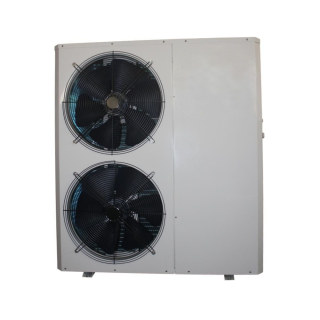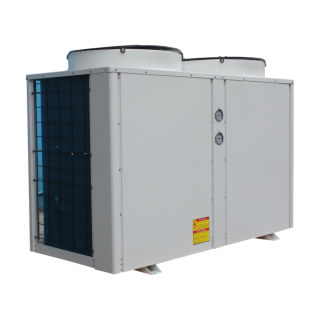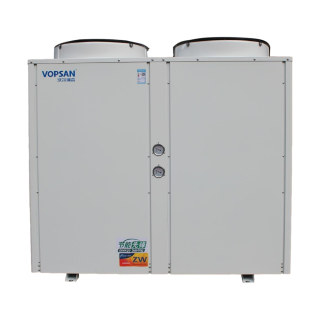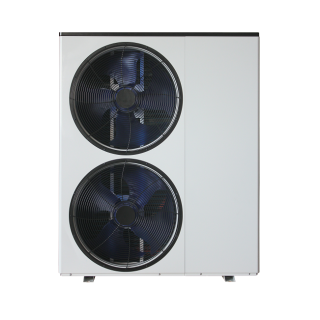
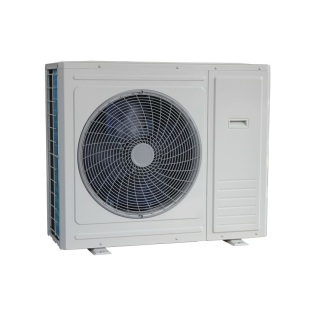
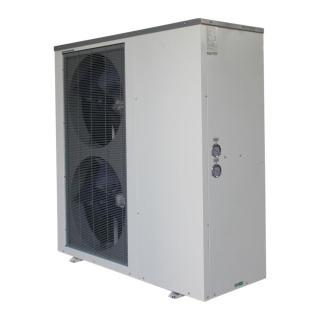
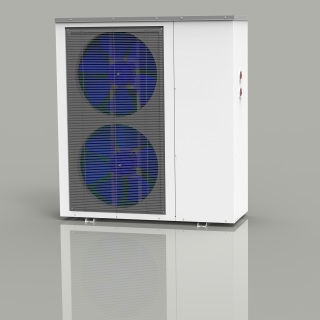
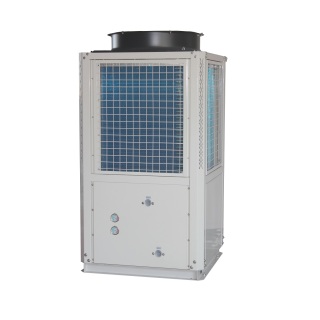

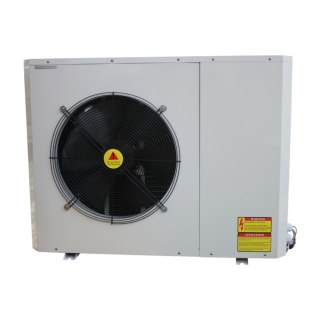
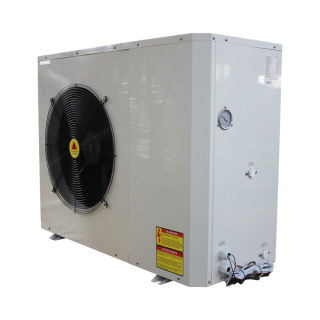
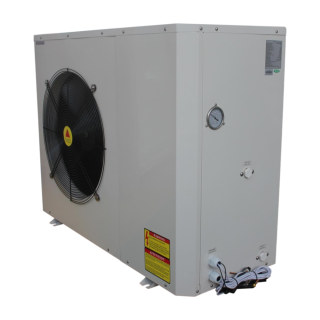
EVI Low Temperature Air Source Heat Pump (11kW-12kW)
-There are 220V and 380V models, suitable for different regions
-SUOHER EVI heat pump is suitable for customers living in cold regions and can ensure stable heating throughout the year
EVI Low Temperature Air Source Heat Pump (11kW-12kW)

When the ambient temperature is very low in winter, a reliable heating system is an indispensable part of household users in winter. For the safety and health of the family, the quality of the heat pump is crucial. Please select 220V/380V according to the actual requirement.
SUOHER EVI heat pump can still work normally even under the lowest temperature of -25 ℃.
The air-source EVI Heat Pump configuration is primarily used in air-source heat pump systems to enhance heating efficiency and performance in low-temperature environments. However, while the EVI configuration delivers significant performance improvements, it also has certain drawbacks.
The heating performance of EVI Heat Pumps is affected by ambient temperature. As outdoor temperatures drop, the air-source heat pump's ability to absorb heat from the air weakens, resulting in reduced heating capacity even with EVI technology. This is primarily due to decreased heat availability in the air, which limits the amount of heat the pump can collect within the same timeframe. Additionally, EVI Heat Pumps consume more electricity. To compensate for reduced heating capacity, the system must increase its operating power, leading to higher energy consumption. In extreme cold conditions, this increased power usage may become more pronounced.
Air source EVI Heat Pumps require specific installation conditions and substantial space. These units, particularly those equipped with EVI technology, are typically bulky and need ample outdoor space for placement, such as balconies or rooftops. Their performance depends not only on ambient temperature but also on water quality. Poor water quality can lead to scale buildup inside the unit, reducing efficiency. Additionally, prolonged operation in low temperatures without draining pipes may cause freezing damage, resulting in financial losses. Air source EVI Heat Pumps involve higher initial costs compared to traditional heating systems. This is mainly due to the technology's complexity and the need for high-quality components to ensure optimal performance. Installation costs are also elevated as these units require professional installation and involve relatively intricate procedures.
EVI Heat Pump: Other Potential Issues Noise Issues. During the process of increasing operating power to compensate for reduced heating capacity, the noise level of heat pump units may correspondingly increase. This could potentially impact users' daily lives. Although EVI technology has been widely adopted in air-source heat pump applications, its technical maturity may vary across different products. When selecting products, users should pay attention to technical specifications, quality certifications, and other relevant information. Air-source EVI configurations demonstrate significant advantages in enhancing low-temperature heating performance for heat pumps, but also present potential drawbacks such as heating performance being affected by ambient temperature, stringent installation environment requirements, higher initial investment costs, and increased noise levels. Users should conduct comprehensive evaluations based on their specific needs and actual conditions when making selection and usage decisions.